Ultimate Guide to Irrigation System Installation in Castle Hayne
Castle Hayne's lush landscapes and vibrant gardens are a testament to the importance of a well-planned irrigation system. Whether you're a homeowner or a professional landscaper, understanding the intricacies of irrigation system installation is crucial for maintaining healthy lawns and gardens.
Understanding Irrigation Systems
An irrigation system is designed to deliver the right amount of water to plants at the right time. This not only conserves water but also ensures that plants thrive even during dry spells. There are various types of irrigation systems, including drip, sprinkler, and surface systems, each suited to different types of gardens and lawns.
Choosing the Right System
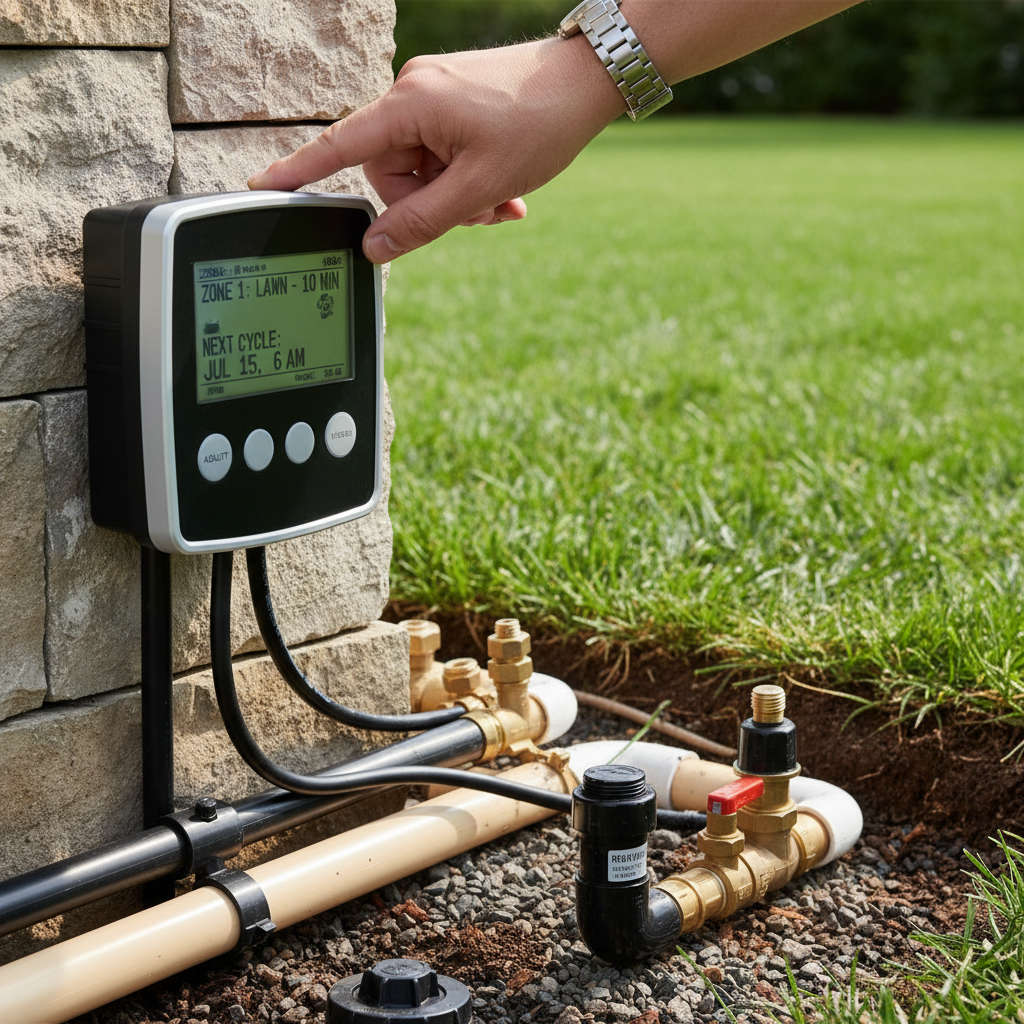
The first step in installing an irrigation system is selecting the right one for your needs. Consider factors such as the size of your property, types of plants, and local climate. For instance, drip irrigation is ideal for gardens with a variety of plant types, while sprinkler systems are generally better for large lawns.
Consulting with a local expert can provide valuable insights into what will work best in Castle Hayne's specific environment. They can help you choose a system that maximizes efficiency and minimizes waste.
Planning the Installation
Proper planning is essential for a successful installation. Start by mapping out your garden or lawn, noting the layout and any obstacles like trees or walkways. This will help you determine the placement of pipes and sprinklers or drip lines.

Gathering Materials and Tools
Once you have a plan, gather the necessary materials and tools. Common materials include pipes, valves, sprinkler heads, or drip emitters. You'll also need tools like shovels, pipe cutters, and a trenching tool.
If you're unfamiliar with these tools, consider hiring a professional installer. They have the expertise to handle complex installations and ensure everything functions correctly.
Installation Process
Begin by laying out the main water line, keeping in mind the plan you created. Trenches should be dug to accommodate the pipes and allow for proper water flow. Connect the pipes using appropriate fittings, ensuring there are no leaks.
Testing and Adjustments
After installation, it's crucial to test the system. Turn on the water and check for any leaks or areas that are not receiving adequate coverage. Adjust the sprinkler heads or emitters as necessary to ensure even distribution of water.
Regular maintenance checks will help keep your system running efficiently. Clean filters, check for clogs, and adjust timers to align with seasonal changes in weather.
Benefits of a Well-Installed System
A well-installed irrigation system can save time, reduce water usage, and promote healthier plant growth. It can also increase property value by maintaining the aesthetic appeal of your garden or lawn.
In Castle Hayne, where maintaining lush greenery is both a challenge and a reward, investing in a quality irrigation system is a wise choice for any property owner.