The Ultimate Guide to Garden Design in Wilmington, NC
Understanding Wilmington's Climate
Wilmington, NC, boasts a unique coastal climate that influences garden design. With mild winters and hot, humid summers, selecting the right plants is crucial for a thriving garden. Native plants are often a great choice as they are well-adapted to the local conditions and require less maintenance.
Choosing the Right Plants
When designing your garden in Wilmington, consider plants that thrive in USDA Hardiness Zone 8a. Some popular choices include azaleas, camellias, and hydrangeas. These plants not only add color but also blend seamlessly with the local landscape.
It's also wise to incorporate drought-tolerant plants, such as lavender and ornamental grasses, to ensure your garden remains vibrant during dry spells. Mixing perennials with annuals can offer a balance of year-round structure and seasonal color.
Incorporating Water Features
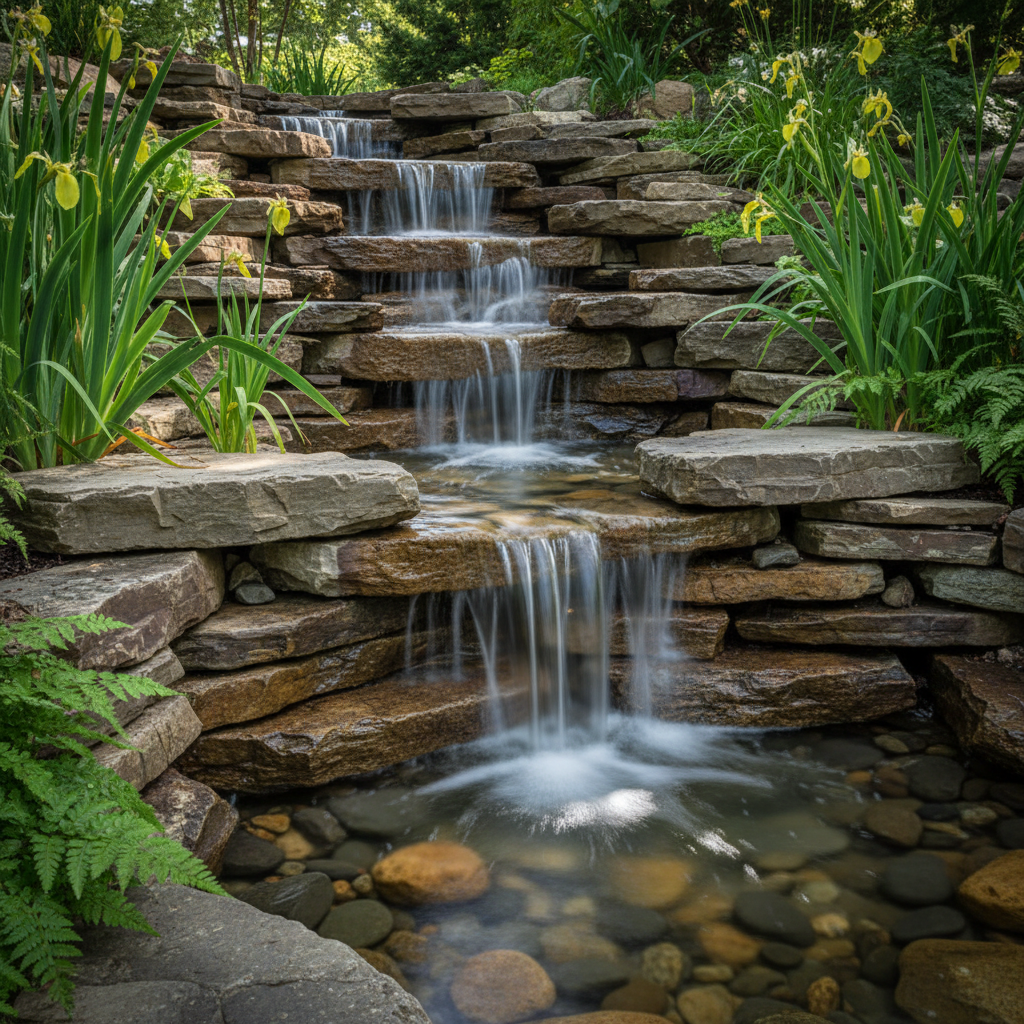
Water features can enhance the tranquility of your garden. Consider adding a small pond or fountain to create a soothing ambiance. Not only do they provide a focal point, but they also attract local wildlife, adding to the biodiversity of your garden.
Ensure that any water feature is designed to minimize water usage, perhaps by integrating a recirculating pump. This approach is both environmentally friendly and cost-effective.
Designing for Outdoor Living
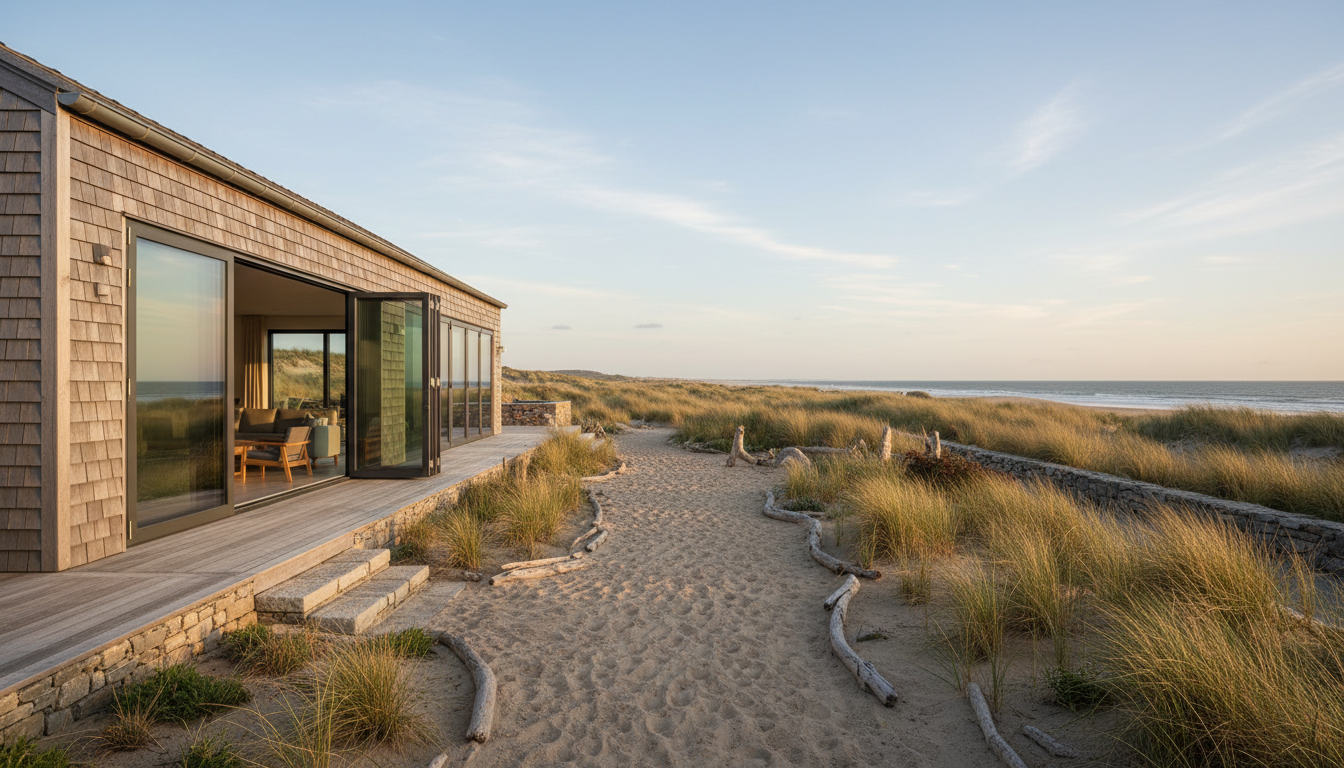
Gardens in Wilmington often serve as extensions of living spaces. Consider installing a patio or deck to create an area for relaxation and entertainment. Use natural materials like stone or wood to blend with the surroundings and enhance the garden's aesthetic appeal.
Adding comfortable seating and outdoor lighting can transform your garden into a perfect spot for evening gatherings. Incorporate plants with pleasant scents, such as jasmine or gardenia, to enrich the sensory experience.
Maintaining Your Garden
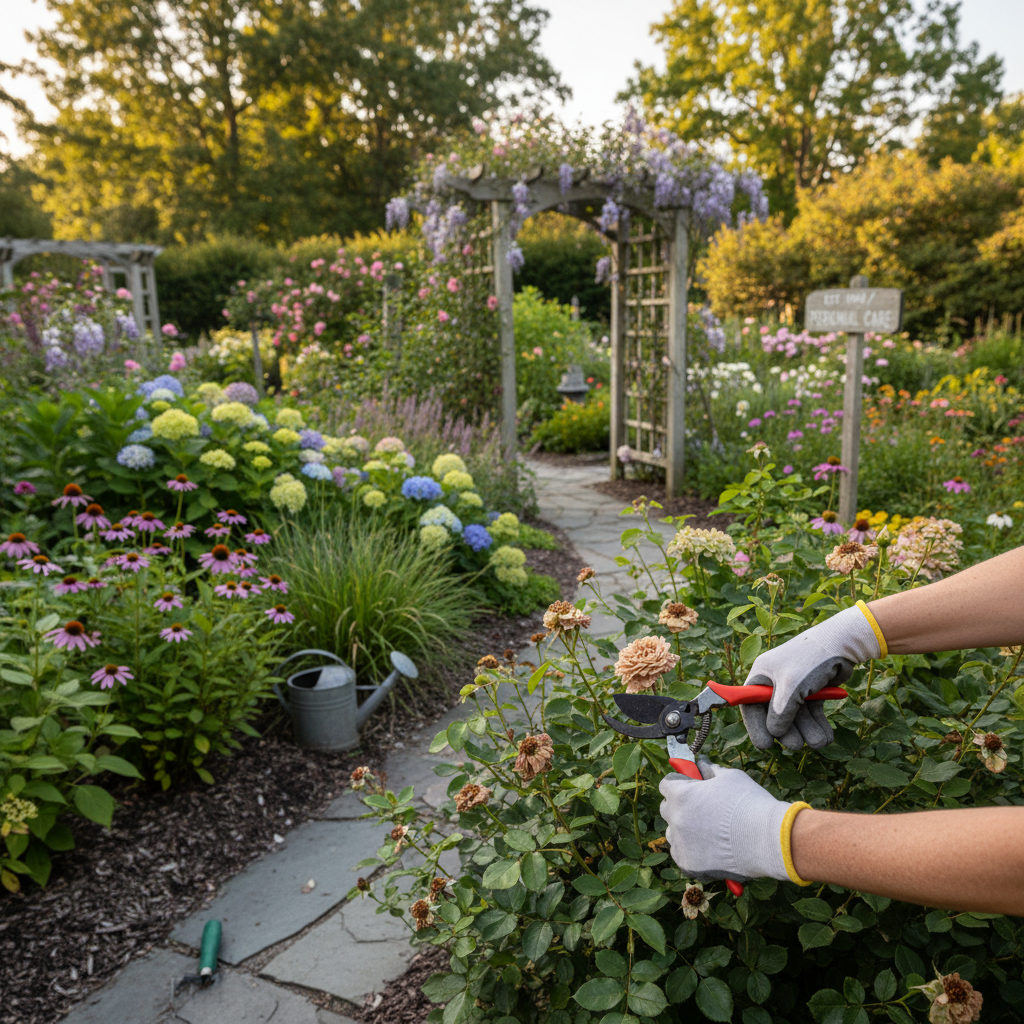
Regular maintenance is key to keeping your garden beautiful year-round. Consider the following tasks to keep your garden in top shape:
- Regularly prune shrubs and trees to promote healthy growth.
- Mulch to retain moisture and suppress weeds.
- Fertilize plants based on their specific needs.
Sustainability Practices
Integrate sustainable practices into your garden design to benefit the environment. Use rain barrels to collect rainwater for irrigation. Composting kitchen scraps and yard waste can also improve soil quality and reduce waste.
Consider planting a rain garden to manage stormwater runoff. This not only helps the environment but also adds another layer of beauty to your garden.