The Ultimate Guide to Eco-Friendly Landscaping in Wilmington
Why Choose Eco-Friendly Landscaping?
Eco-friendly landscaping is gaining popularity due to its benefits for the environment and its cost-effectiveness. By choosing sustainable practices, homeowners in Wilmington can contribute to preserving the local ecosystem while enjoying a beautiful garden.
Adopting eco-friendly methods helps minimize water usage, reduces chemical runoff, and encourages biodiversity. These practices not only enhance the beauty of your outdoor space but also create a healthier environment for your family and wildlife.
Native Plants: The Cornerstone of Sustainability
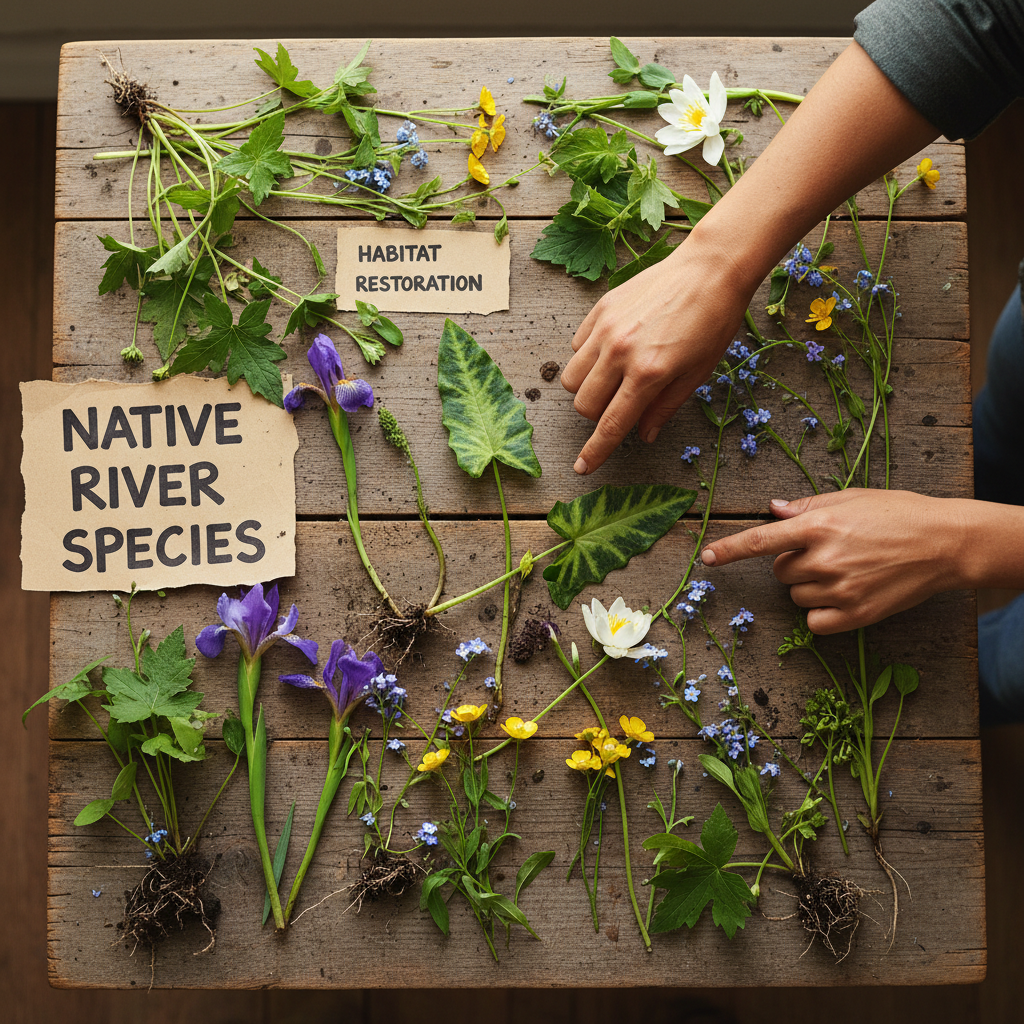
Incorporating native plants into your landscape is a powerful way to promote sustainability. Native plants are adapted to the local climate and soil, requiring less water and maintenance than non-native species.
Consider planting options like the Eastern Redbud or the Southern Magnolia in your Wilmington garden. These plants thrive naturally and provide essential habitats for local wildlife, including pollinators like bees and butterflies.
Water Conservation Techniques
Water conservation is crucial in eco-friendly landscaping. Implementing smart watering techniques can significantly reduce water usage. Consider installing a rainwater harvesting system to collect rainwater for irrigation purposes.
Drip irrigation systems are another effective method, delivering water directly to the plant roots and reducing evaporation. Additionally, mulching around plants helps retain moisture and keep roots cool.
Composting for a Healthier Garden
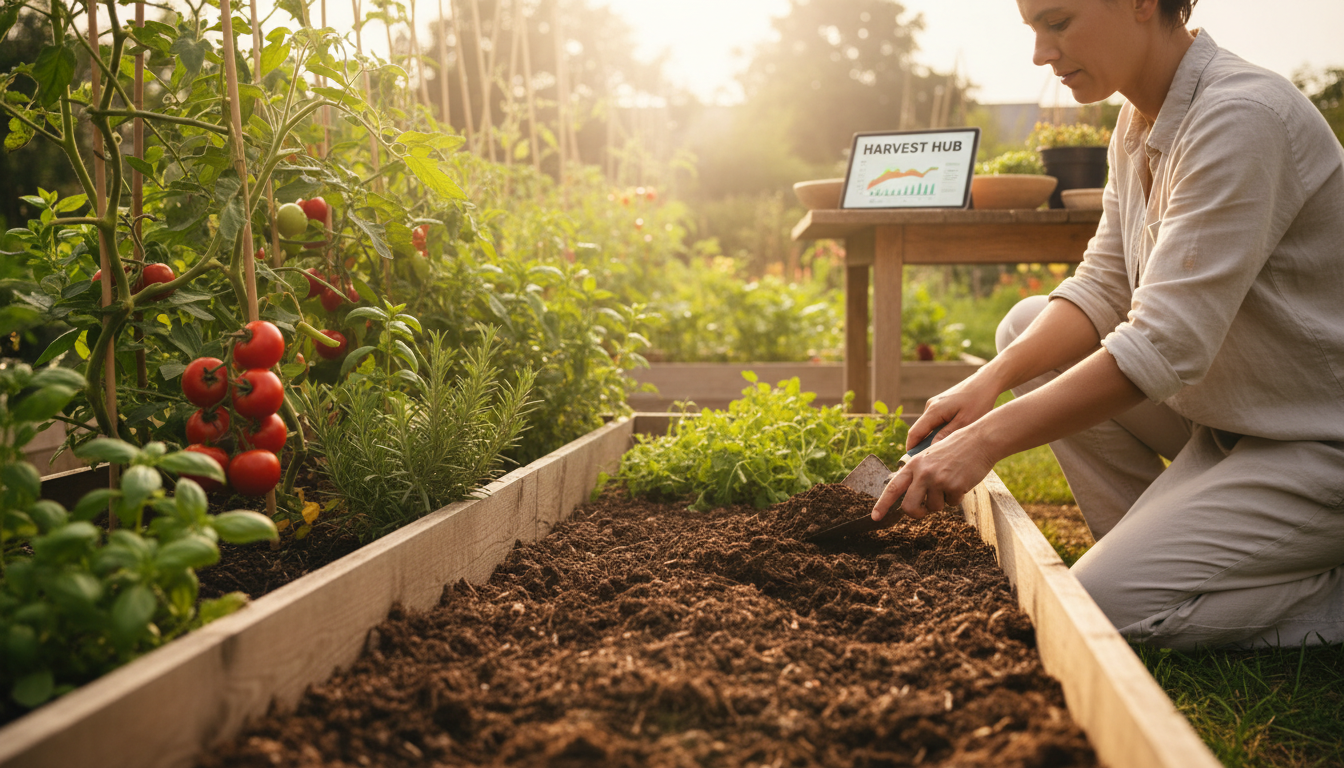
Composting is an excellent way to recycle organic waste and enrich your soil naturally. By composting kitchen scraps, grass clippings, and leaves, you create nutrient-rich soil that reduces the need for chemical fertilizers.
Composting not only improves soil structure and fertility but also helps reduce landfill waste. Start a compost pile or use a compost bin to begin turning waste into valuable garden resources.
Eco-Friendly Lawn Care
Traditional lawn care can be resource-intensive, but eco-friendly alternatives offer sustainable solutions. Consider reducing lawn size by incorporating more garden beds and native plant areas. This reduces the need for mowing and watering.
When maintaining your lawn, use electric or manual tools to cut down on emissions. Also, avoid chemical pesticides and fertilizers by opting for natural lawn care products.
Creating Wildlife Habitats
An eco-friendly landscape can also serve as a sanctuary for local wildlife. By providing food, water, and shelter, you can attract beneficial species to your garden. Include bird feeders, birdbaths, and nesting boxes to encourage feathered friends.
Planting a variety of flowering plants ensures a continuous food supply for pollinators. Additionally, small ponds or water features can invite amphibians and insects, enhancing your garden's biodiversity.
Conclusion: A Greener Future for Wilmington
Embracing eco-friendly landscaping practices not only enhances the beauty of your property but also supports the health of the environment. Wilmington's unique climate and ecosystem offer the perfect backdrop for sustainable gardening.
By making thoughtful choices, such as using native plants, conserving water, and encouraging wildlife, you are contributing to a greener and more sustainable future. Start implementing these practices today and enjoy the benefits of an eco-friendly landscape.