The Ultimate Guide to Eco-Friendly Landscaping in Wilmington
Understanding Eco-Friendly Landscaping
Eco-friendly landscaping is more than just a trend; it's a sustainable approach to gardening and outdoor design. By adopting environmentally conscious practices, homeowners in Wilmington can create beautiful landscapes that benefit both the environment and their personal well-being. This guide will explore various strategies to help you transition to an eco-friendly landscape.
Choose Native Plants
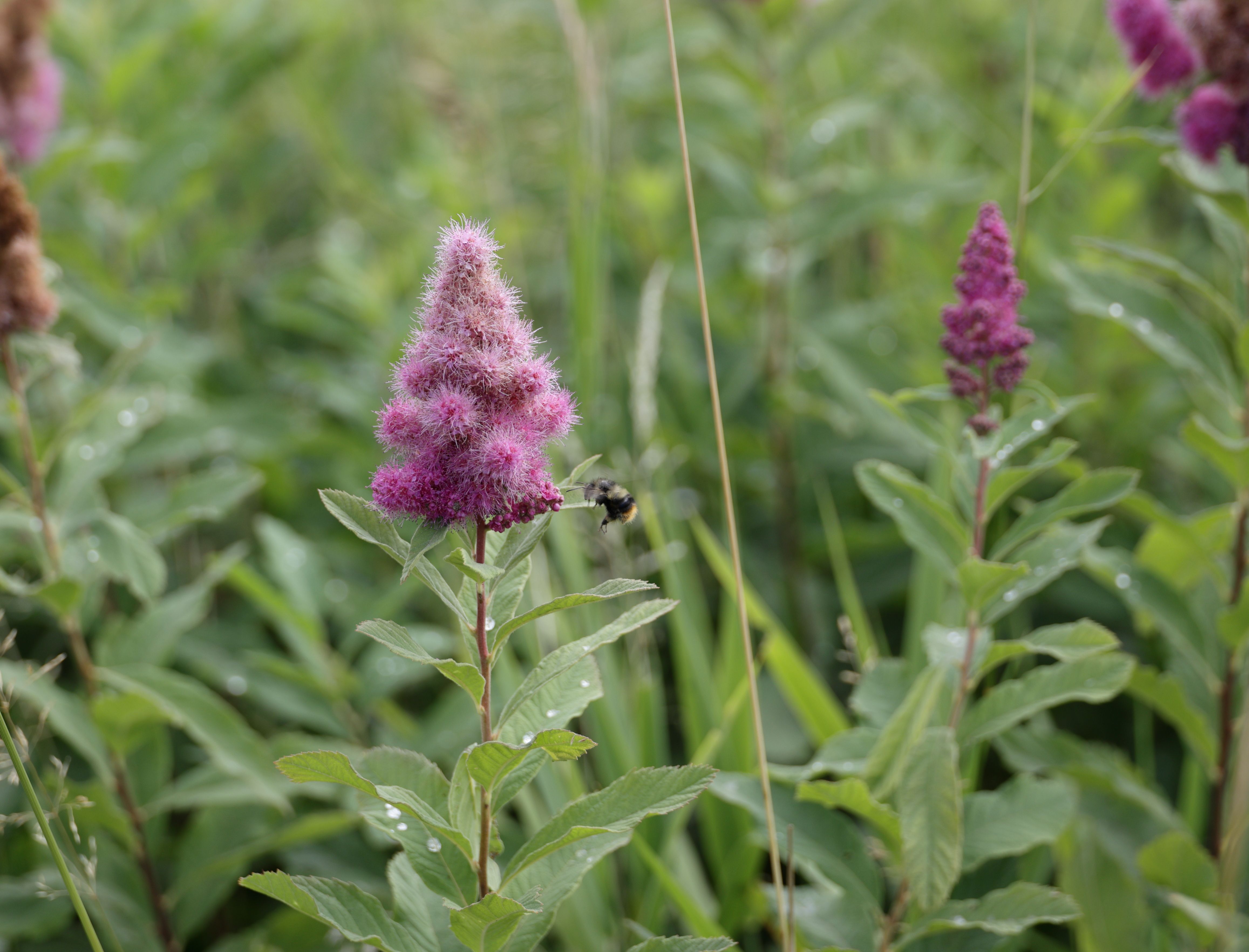
One of the best ways to promote sustainability in your yard is by selecting native plants. These plants are adapted to Wilmington's climate and soil conditions, requiring less water and maintenance. Using native species also supports local wildlife, providing food and habitat for birds and pollinators.
Benefits of Native Plants
- Reduced water usage
- Lower maintenance requirements
- Increased biodiversity
Implement Water Conservation Techniques
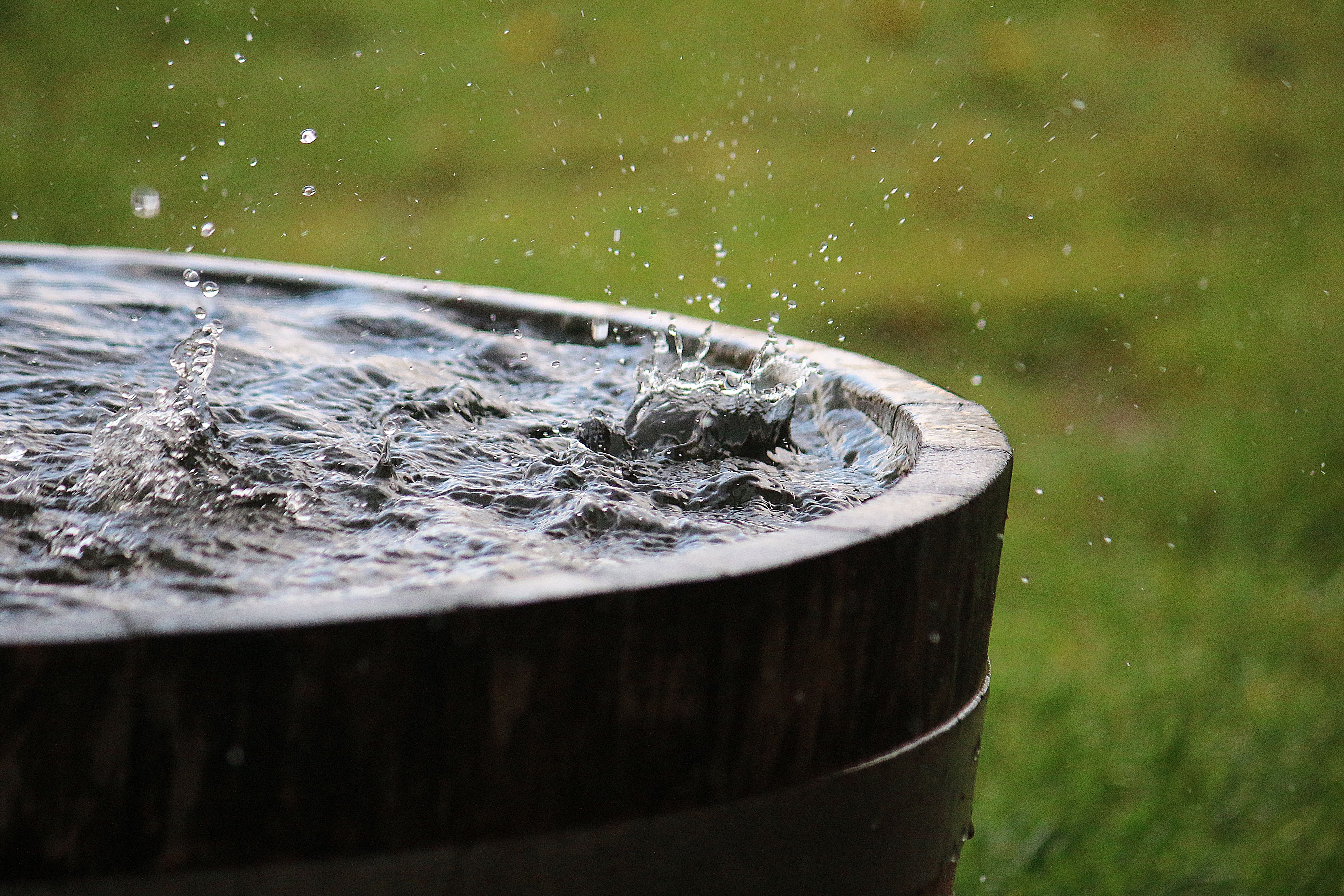
Water conservation is crucial in eco-friendly landscaping. Efficient irrigation systems, such as drip irrigation, can significantly reduce water wastage. Additionally, rain barrels can collect rainwater, providing a sustainable water source for your garden.
Smart Irrigation Systems
Consider installing smart irrigation systems that adjust watering schedules based on weather conditions. This technology not only saves water but also reduces utility bills.
Use Organic Mulch
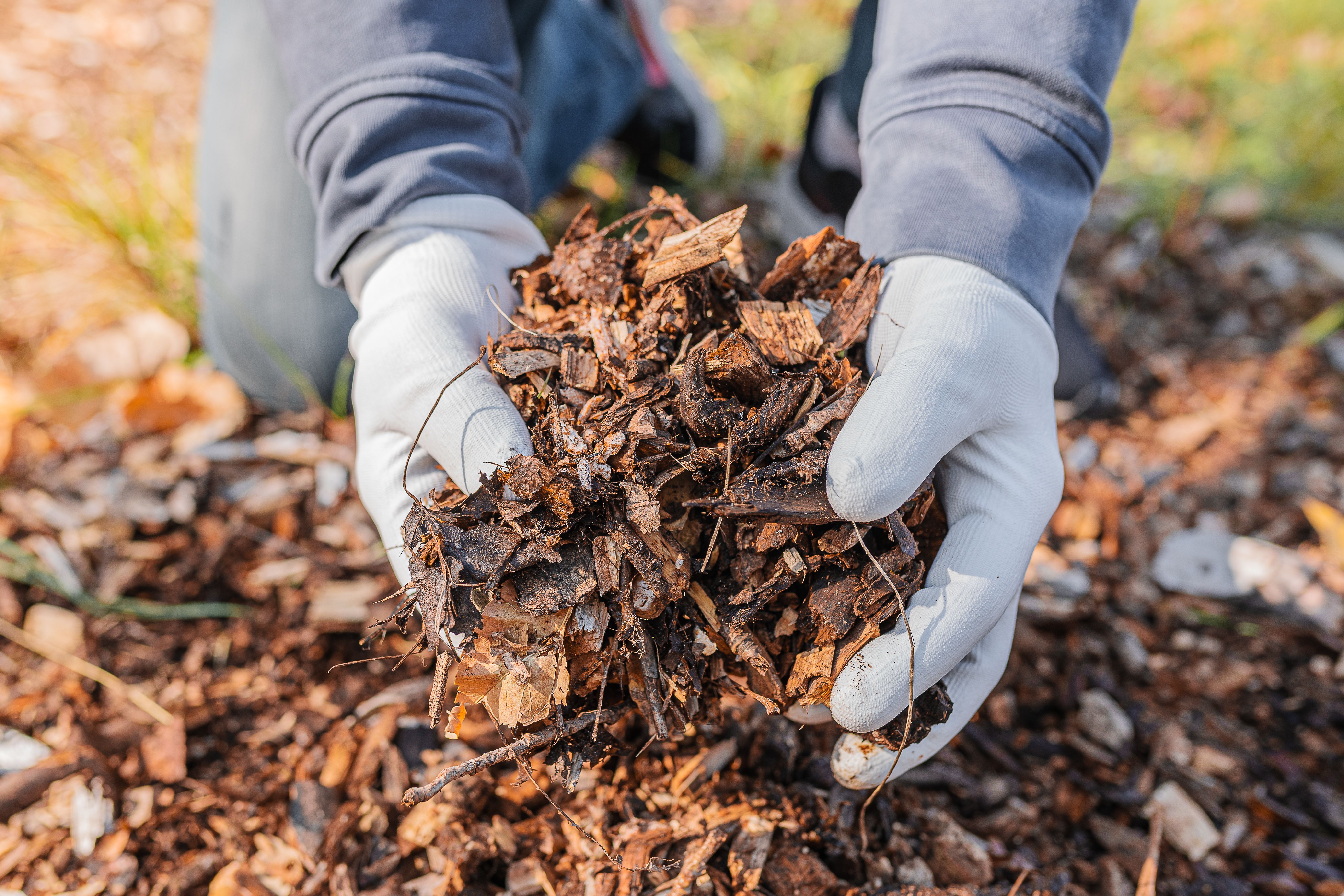
Organic mulch, such as wood chips or straw, offers numerous environmental benefits. It helps retain soil moisture, suppress weeds, and improve soil health as it breaks down. Apply a layer of mulch around your plants to promote a thriving ecosystem in your garden.
Create a Wildlife Habitat
Designing your landscape to support local wildlife can enhance the ecological balance in your yard. Incorporate features like bird feeders, bat houses, and bee hotels to attract beneficial creatures. These additions not only support biodiversity but also add interest and beauty to your landscape.
Attracting Pollinators
Plant a variety of flowering plants to attract bees, butterflies, and other pollinators. This practice is essential for the health of your garden and the surrounding environment.
Maintain Natural Lawn Care
Traditional lawn care practices can be harmful to the environment. Opt for natural lawn care by avoiding chemical fertilizers and pesticides. Instead, use organic products and natural pest control methods to keep your lawn healthy.
Composting and Soil Health
Composting kitchen scraps and yard waste is an excellent way to enhance soil health. It enriches the soil with nutrients and reduces the need for chemical fertilizers.
Conclusion
By adopting these eco-friendly landscaping practices, residents of Wilmington can create sustainable and beautiful outdoor spaces. Embracing native plants, conserving water, and supporting local wildlife are just a few ways to make a positive environmental impact. Start transforming your landscape today for a greener tomorrow.