Summer Lawn Care Tips for Coastal Areas: Keep Your Grass Green and Lush
Understanding Coastal Lawn Challenges
Living in a coastal area presents unique challenges for lawn care. The salty air, sandy soil, and strong winds can all impact the health of your grass. It's essential to understand these factors to keep your lawn green and lush throughout the summer.
Coastal lawns often face issues such as salt spray damage, which can lead to brown patches. Additionally, sandy soil tends to drain quickly, making it difficult for grass to retain moisture. To combat these challenges, choosing the right grass type and implementing proper care techniques is crucial.

Selecting the Right Grass Type
To thrive in a coastal environment, selecting a grass type that is tolerant to salt and drought is important. Consider planting varieties like Bermuda grass, Zoysia, or St. Augustine grass. These types are known for their resilience and ability to maintain their color even under challenging conditions.
Using a mix of different grass seeds can also help ensure your lawn remains thick and lush. This diversity can offer better resistance to pests and diseases, which are common in coastal regions.
Watering and Soil Management
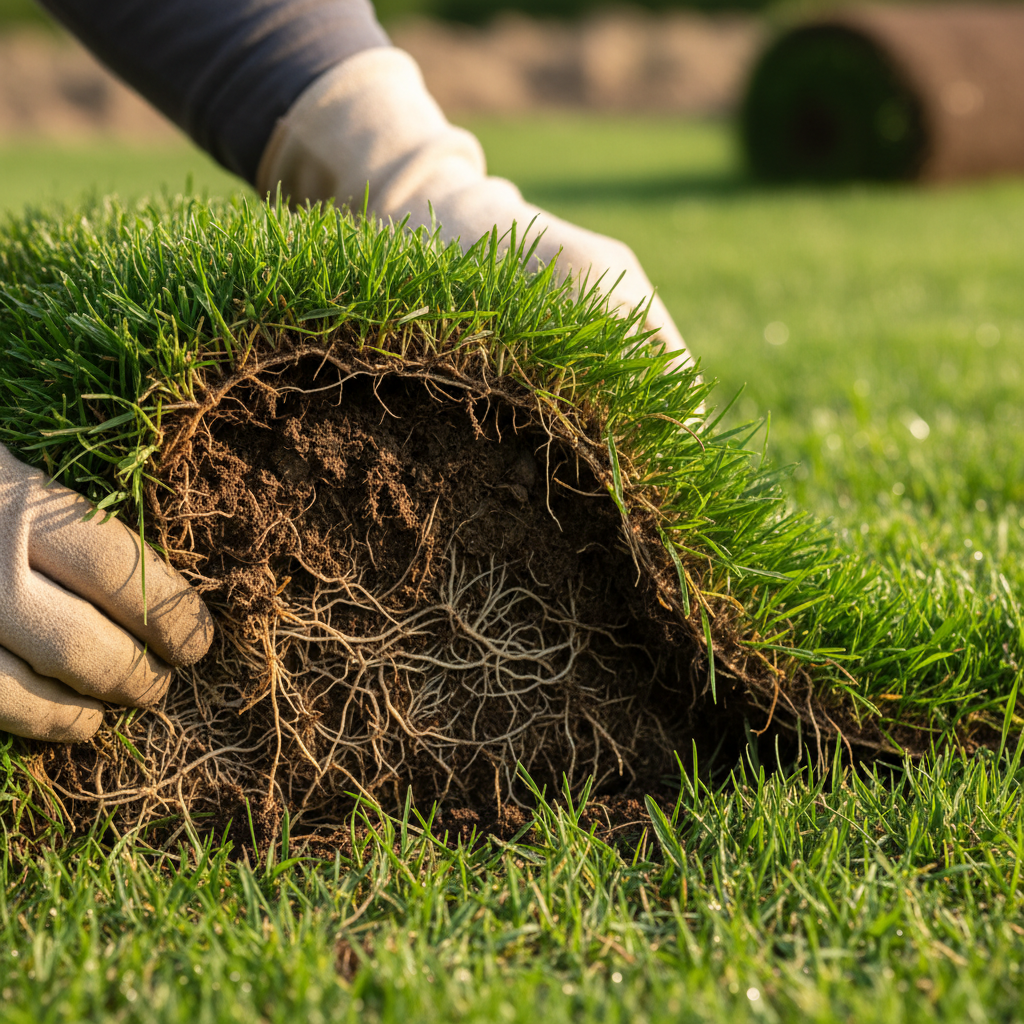
Watering is a critical aspect of coastal lawn care. Since sandy soil drains quickly, it's essential to water deeply but infrequently to encourage deep root growth. Aim to water early in the morning to reduce evaporation and fungal growth.
- Water deeply once or twice a week.
- Ensure the soil is damp about 6 inches deep.
- Adjust watering frequency based on rainfall and temperature.
Improving soil quality can also enhance your lawn's health. Consider adding organic matter or compost to increase moisture retention and provide essential nutrients.

Fertilizing and Mowing Practices
Fertilizing your lawn correctly is crucial for maintaining its green appearance. Use a slow-release fertilizer that provides a steady supply of nutrients. Opt for fertilizers with balanced nitrogen, phosphorus, and potassium levels, tailored to your specific grass type.
Mowing practices also play a vital role in lawn health. Keep your mower blades sharp and set them to the appropriate height for your grass type. Regular mowing encourages healthy growth and prevents thatch buildup.
- Mow regularly, but never remove more than one-third of the grass height.
- Leave grass clippings on the lawn to provide natural nutrients.
- Avoid mowing when the grass is wet to prevent disease spread.
Pest and Weed Control
Pests and weeds can quickly become a problem in coastal areas. Regular monitoring and early detection are key to managing these issues. Use natural or organic pest control methods to minimize environmental impact.
Weed control can be managed through proper lawn maintenance and the application of pre-emergent herbicides. Maintaining a thick, healthy lawn is one of the best defenses against weed invasion.
Preparing for Extreme Weather
Coastal regions can experience extreme weather conditions, such as hurricanes and tropical storms. Prepare your lawn by securing loose items and trimming trees and shrubs to reduce damage risk. After a storm, assess your lawn for debris and damage, and take necessary recovery actions promptly.
By implementing these summer lawn care tips, homeowners in coastal areas can enjoy a vibrant, green lawn that withstands the unique challenges of their environment. Regular maintenance and attention to detail are key to a lush, healthy lawn.