Preparing Your Lawn for Spring: Expert Tips from Green Tides LLC
Assess Your Lawn's Current Condition
As winter fades away, it's crucial to assess the current state of your lawn. Look for any signs of damage caused by snow, ice, or pests. Identifying these issues early will help you plan the necessary steps for a healthy and lush lawn come spring.
Clean Up Debris
Once you've assessed your lawn, the next step is to clean up any debris. Remove fallen leaves, twigs, and any other materials that may have accumulated over the winter. This helps prevent diseases and allows your grass to breathe and grow more effectively.
Tools You’ll Need
To make the cleanup process easier, ensure you have the right tools, such as a rake, leaf blower, and trash bags. Using the correct tools will save you time and effort, ensuring a thorough job.

Test Your Soil
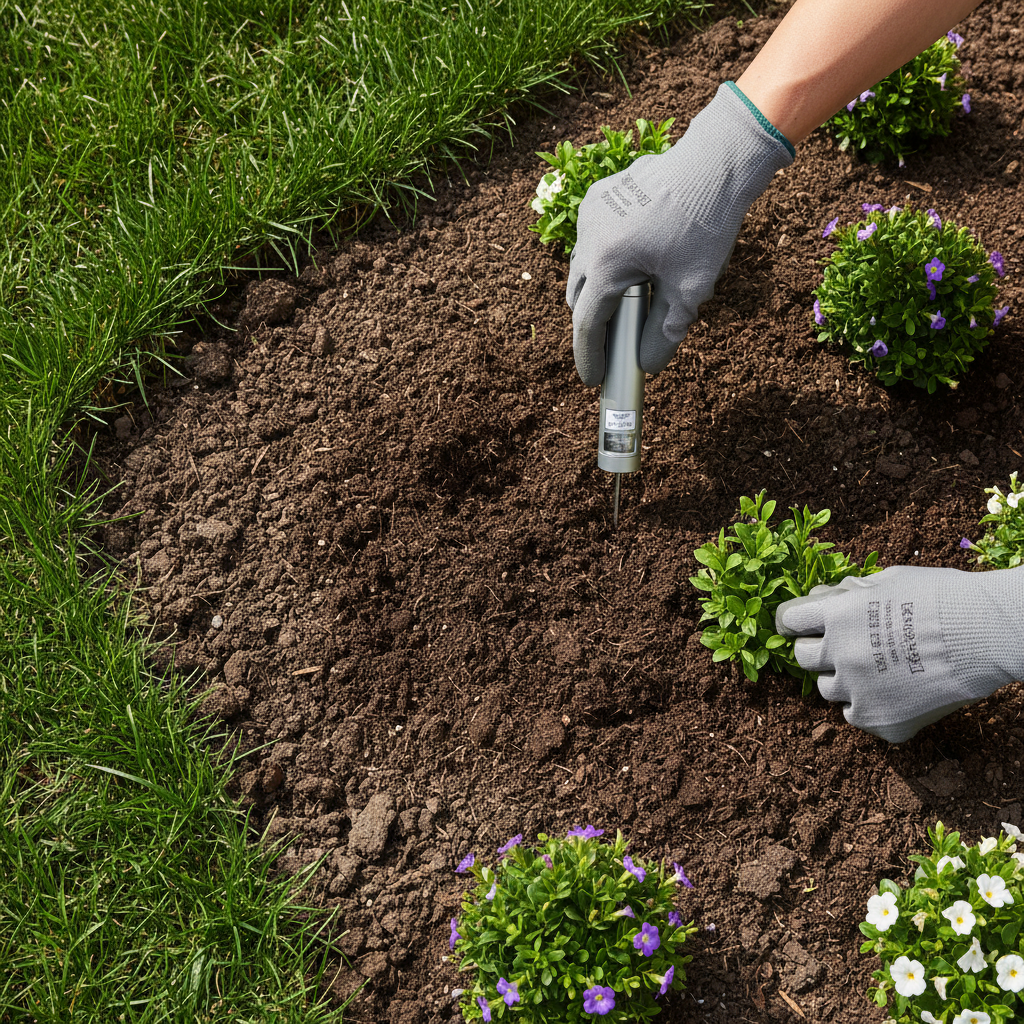
Understanding your soil's health is vital for a thriving lawn. Conduct a soil test to determine its pH level and nutrient content. This information will guide you in choosing the appropriate fertilizers and amendments to enhance soil quality.
Interpreting Results
Once you have your soil test results, you can decide on the best course of action. If the pH is off balance, lime or sulfur may be needed to adjust it. For nutrient deficiencies, select a fertilizer that addresses these specific needs.

Aerate Your Lawn
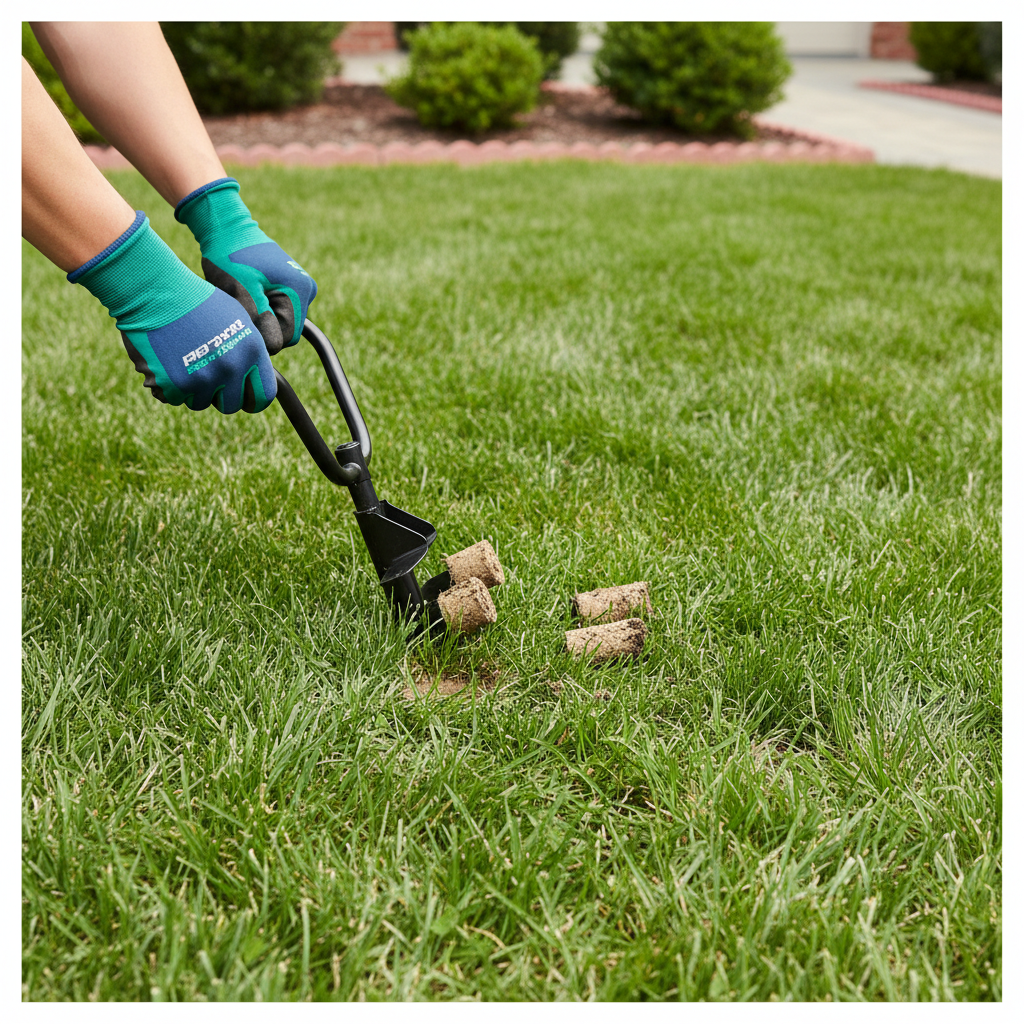
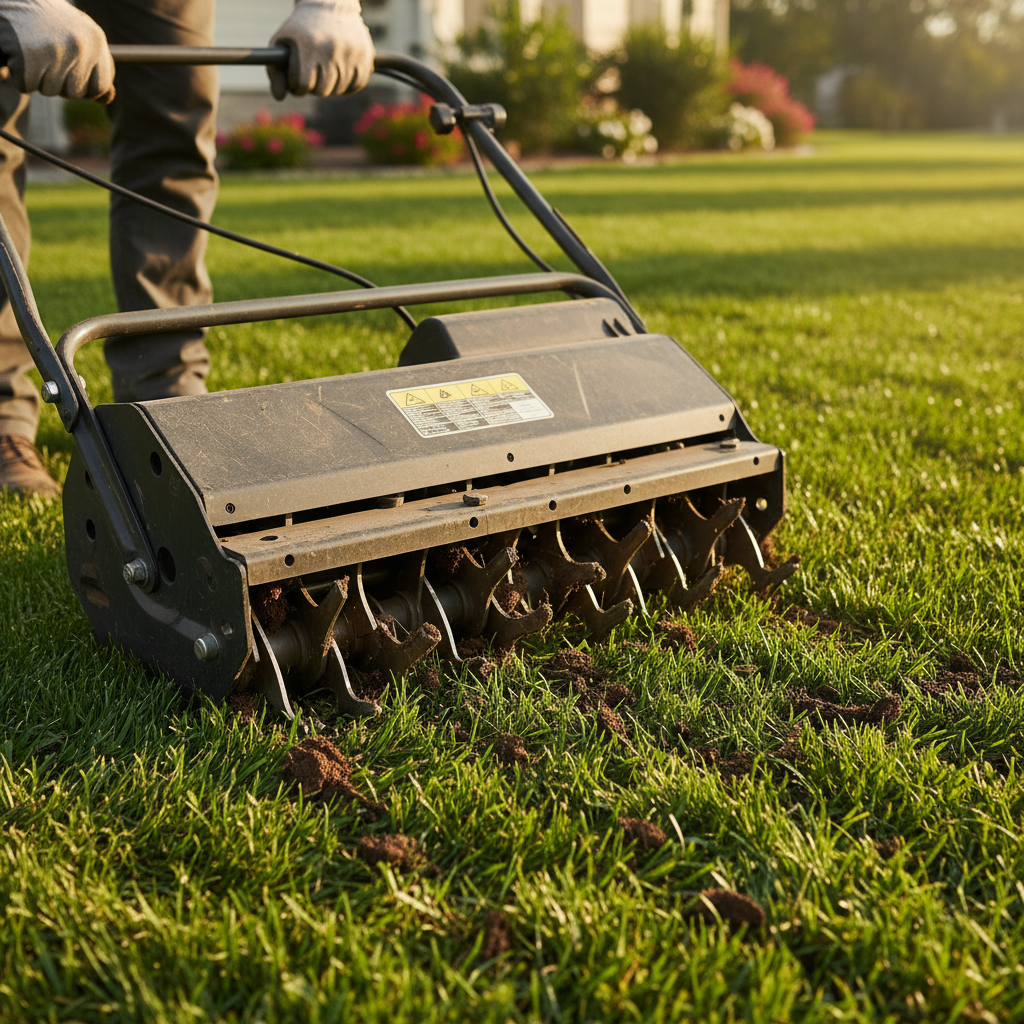
Aerating your lawn helps to alleviate soil compaction, allowing air, water, and nutrients to penetrate deeper into the soil. This process invigorates root growth and improves overall lawn health.
When and How to Aerate
Spring is an ideal time for aeration. You can use either a manual or powered aerator, depending on your lawn size. Focus on areas with heavy traffic or where grass appears sparse.
Fertilize and Seed
Once aeration is complete, it's time to fertilize and seed your lawn. Opt for a high-quality, slow-release fertilizer that provides essential nutrients over time. Seeding helps fill in bare spots and strengthens your lawn’s overall density.
Best Practices
Apply fertilizer and seed evenly using a spreader. Water the area lightly to help the seeds settle into the soil. Regular watering will ensure proper germination and growth.
Regular Maintenance
Establishing a routine maintenance schedule is crucial for sustaining a healthy lawn. Mow regularly, keeping your grass at the recommended height for its type, and water deeply but infrequently to encourage strong root development.
By following these expert tips from Green Tides LLC, you'll ensure your lawn is ready to thrive as the warmer months approach. With proper care and attention, your lawn will be the envy of the neighborhood this spring.