How to Maintain a Healthy Lawn: Expert Tips for Castle Hayne Residents
Understanding Your Soil
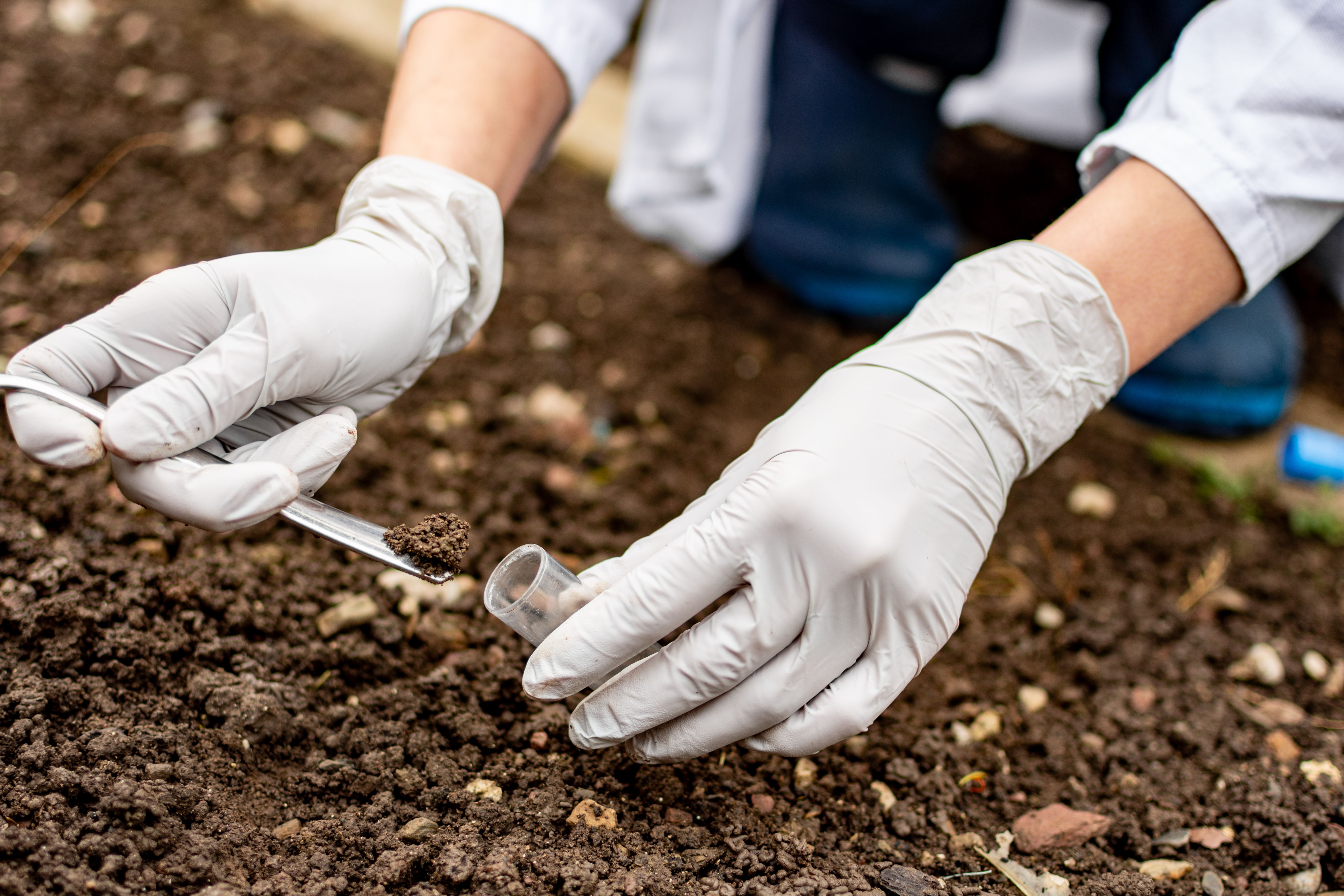
Maintaining a healthy lawn starts with understanding your soil. Castle Hayne residents should begin by conducting a soil test to determine the pH level and nutrient content. This information will guide you in selecting the appropriate fertilizers and amendments. Typically, lawns thrive in slightly acidic to neutral soil with a pH between 6.0 and 7.0.
Once you know your soil's condition, consider adding organic matter such as compost to improve its structure and fertility. This will enhance nutrient retention and provide a better environment for root growth.
Watering Wisely
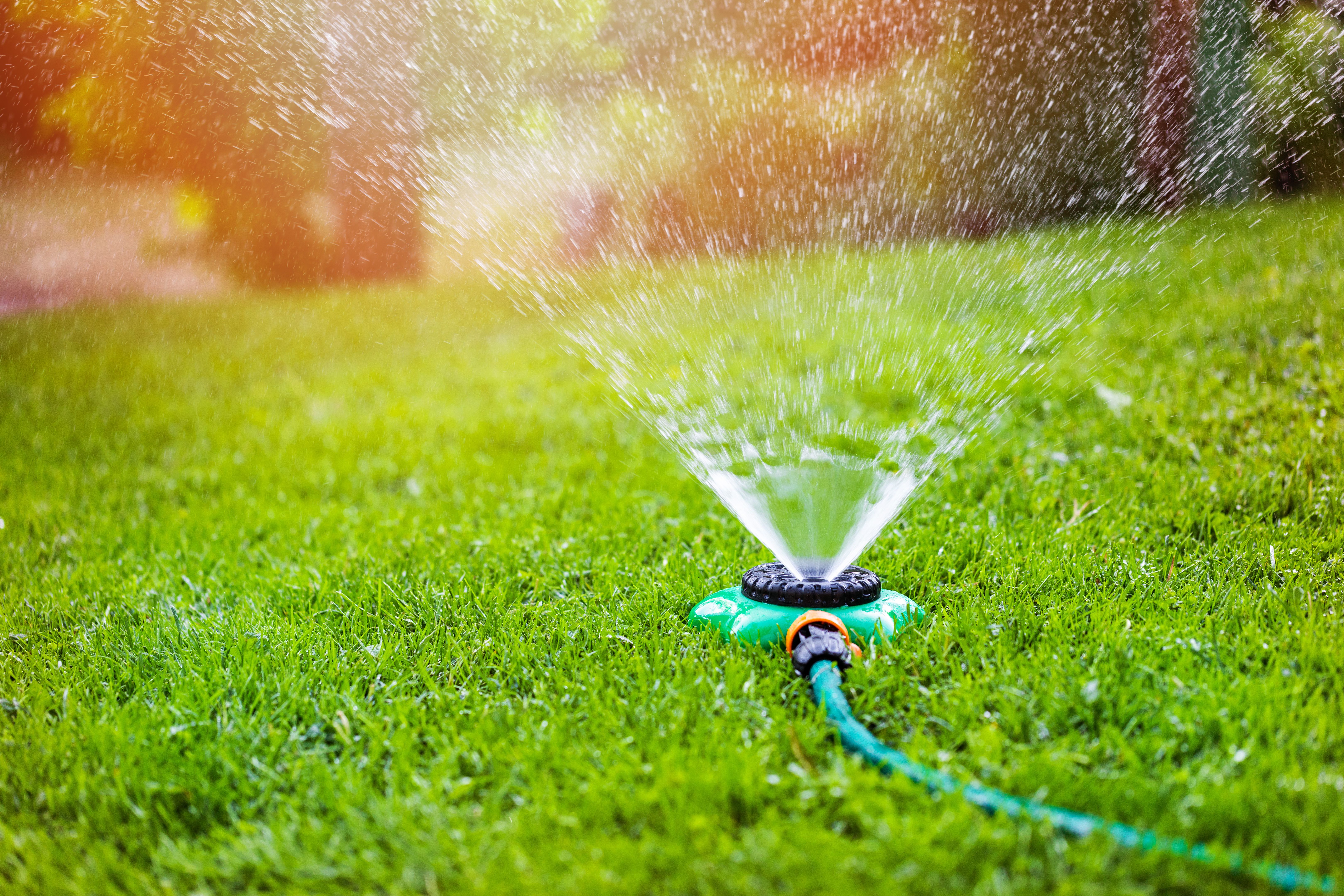
Watering is crucial for a lush lawn, but it must be done correctly to avoid waste and promote deep root growth. Aim to water early in the morning when evaporation rates are low, and your lawn can absorb moisture efficiently. This also helps prevent fungal diseases that thrive in damp, cool conditions.
Instead of shallow, frequent watering, opt for deep, infrequent watering. This encourages roots to grow deeper, making your lawn more drought-resistant. Generally, lawns require about 1 inch of water per week, including rainfall.
Mowing Techniques
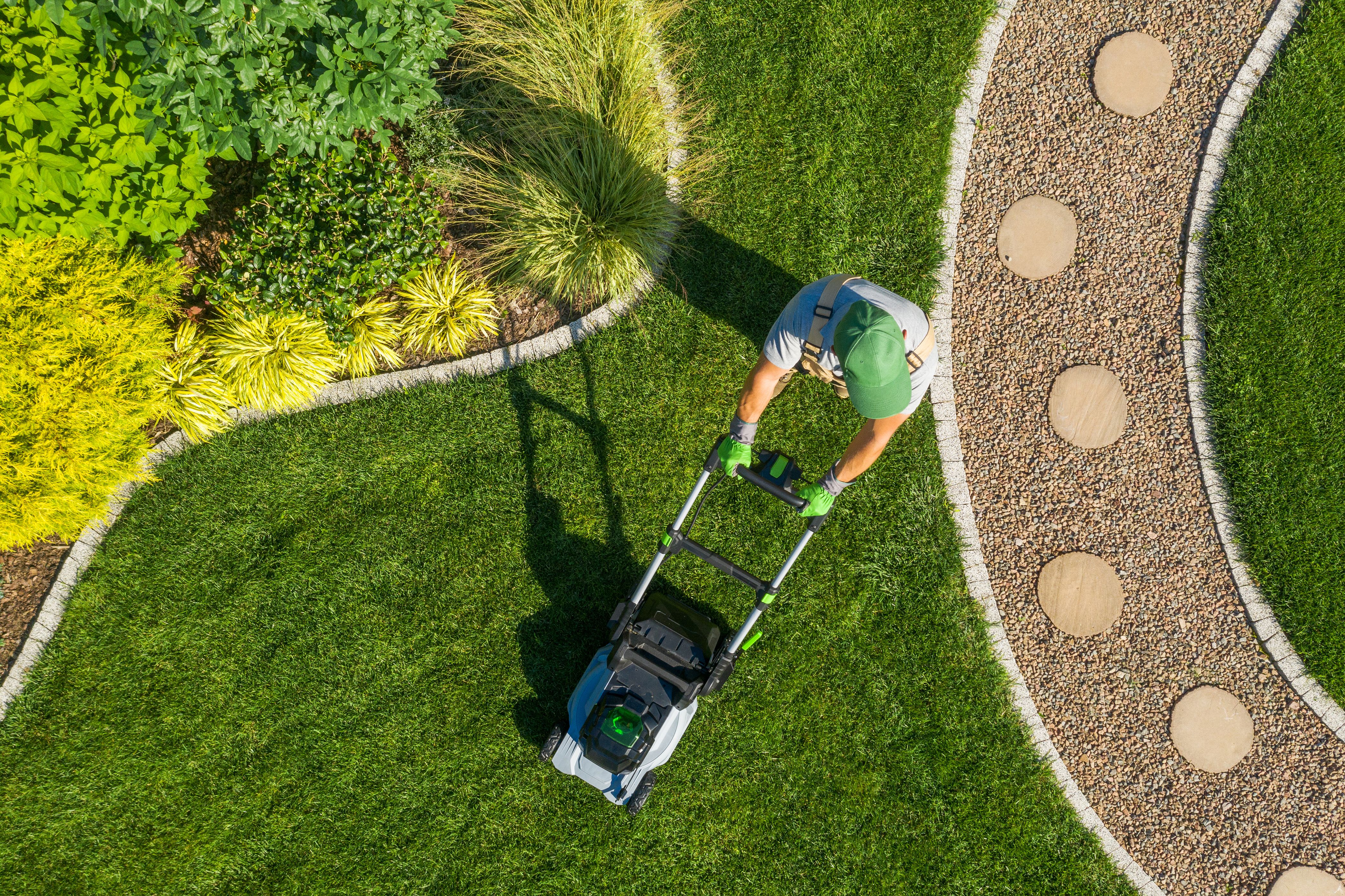
Mowing your lawn properly is essential to its health. Set your mower blade to the correct height, usually around 3 inches. Taller grass shades the soil, reducing evaporation and inhibiting weed growth. Regularly sharpen your mower blades to avoid tearing the grass, which can make it susceptible to disease.
Follow the one-third rule: never cut more than one-third of the grass height at a time. This helps maintain healthy growth and reduces stress on the grass.
Fertilization and Weed Control
Fertilizing your lawn provides essential nutrients that keep it green and robust. Opt for a slow-release fertilizer to ensure consistent nutrient supply. In Castle Hayne, consider fertilizing in early spring and fall for optimal growth.
Weed control is another critical aspect of lawn maintenance. Regularly inspect your lawn for weeds and remove them promptly. You can use pre-emergent herbicides in early spring to prevent weed seeds from germinating.
Pest Management
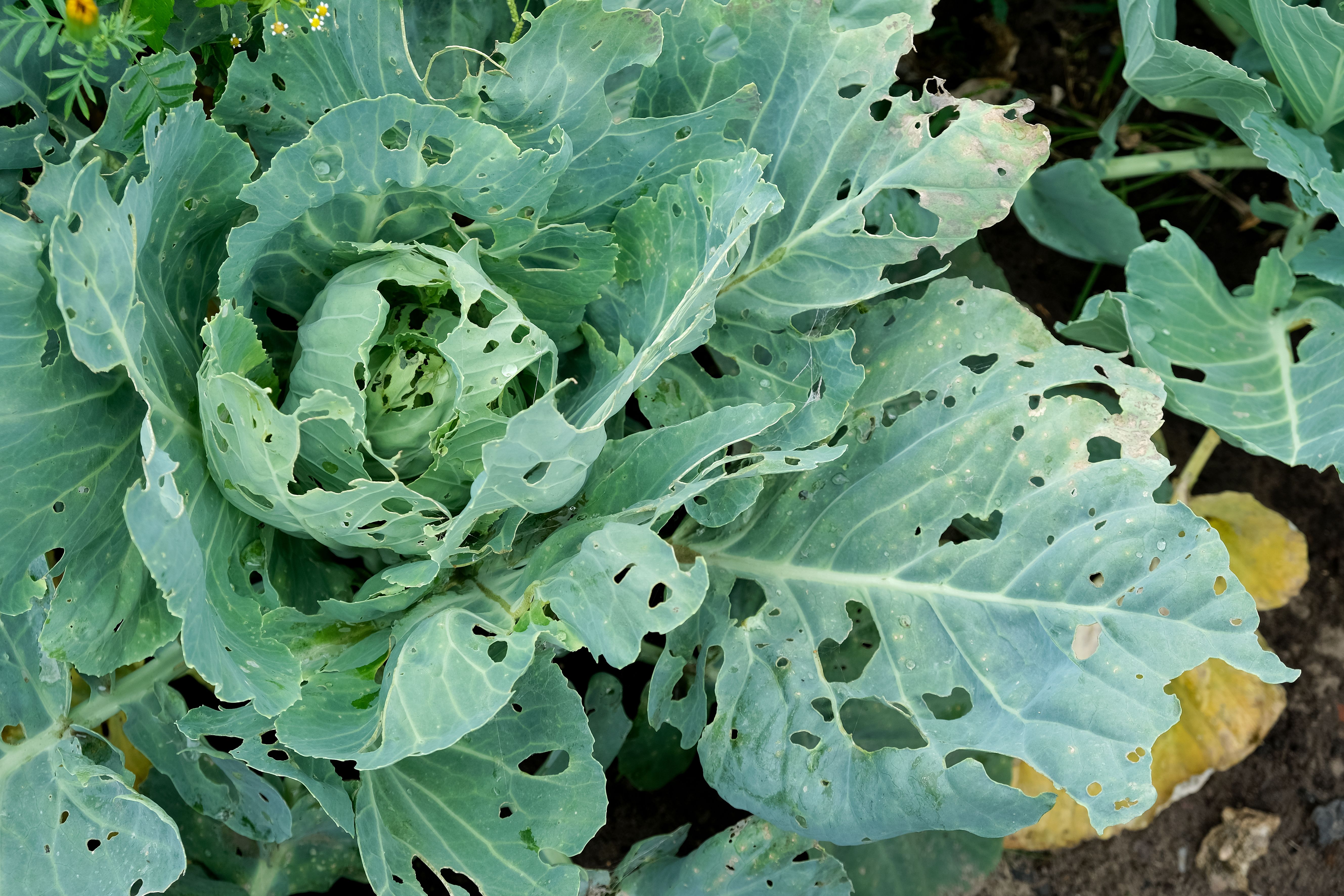
Pests can quickly damage a lawn if not managed properly. Keep an eye out for signs of pests such as discolored patches or visible insects. Integrated Pest Management (IPM) strategies can be effective, focusing on prevention and using targeted treatments only when necessary.
Encouraging natural predators like birds can also help control pest populations. Providing bird feeders or nesting boxes can attract birds that feast on lawn pests.
Seasonal Lawn Care
Adapting your lawn care routine to the seasons is vital for maintaining its health. In spring, focus on aeration and overseeding to improve soil compaction and fill in bare spots. Summer requires vigilant watering and mowing practices, while fall is ideal for fertilization and addressing any persistent issues.
Winterizing your lawn by removing debris and applying a winter fertilizer can help it endure the colder months and emerge strong in spring.