How to Choose the Best Irrigation System for Your Property
Understanding Your Property's Needs
Choosing the best irrigation system for your property begins with understanding its unique requirements. Factors such as climate, soil type, and the variety of plants you want to cultivate will all influence your decision. It's important to assess these elements carefully to ensure that you provide the optimal amount of water to your landscape.
Types of Irrigation Systems
There are several types of irrigation systems to consider, each with its own advantages and drawbacks. The most common systems include:
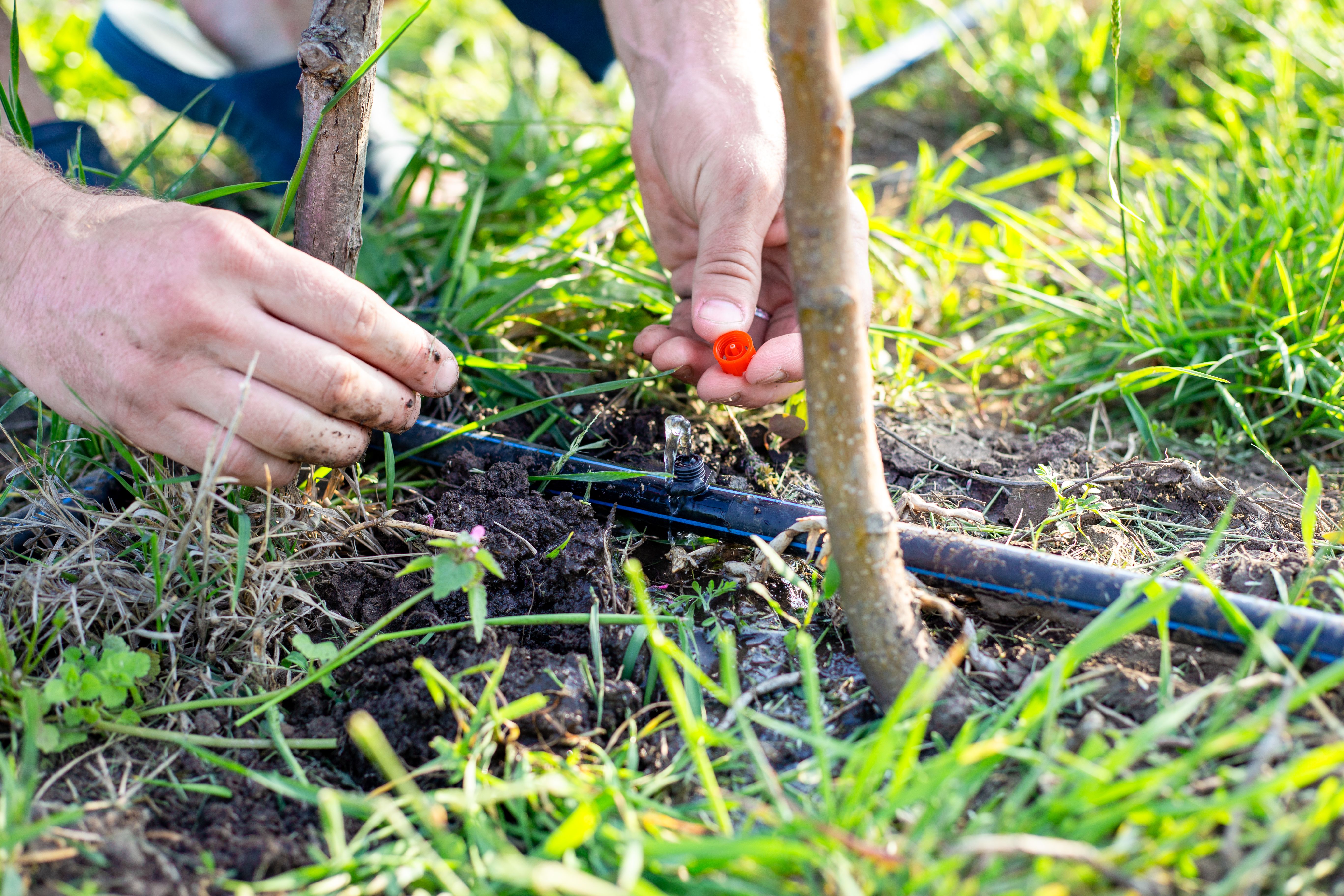
- Drip Irrigation: Efficient for conserving water by targeting the root zone.
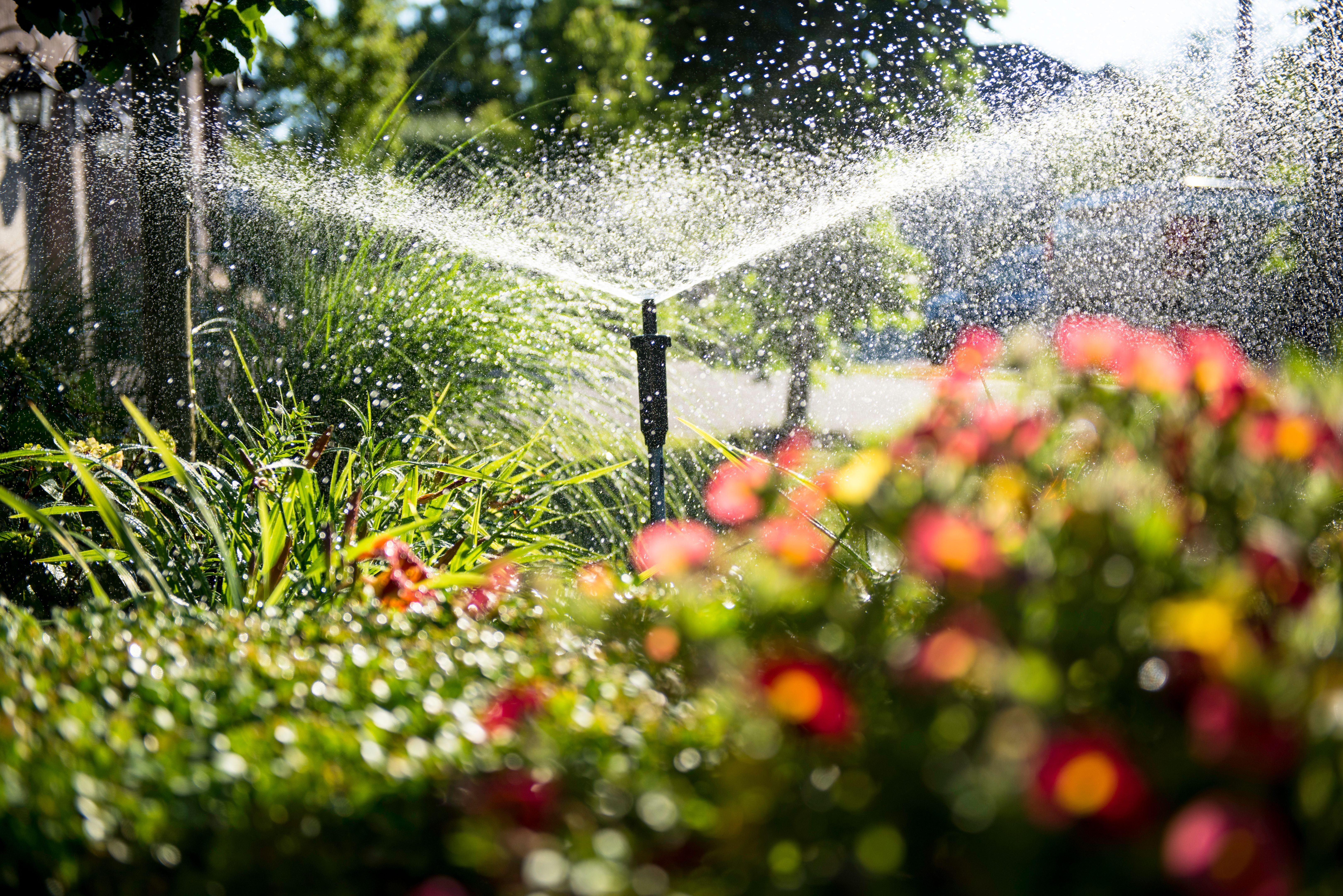
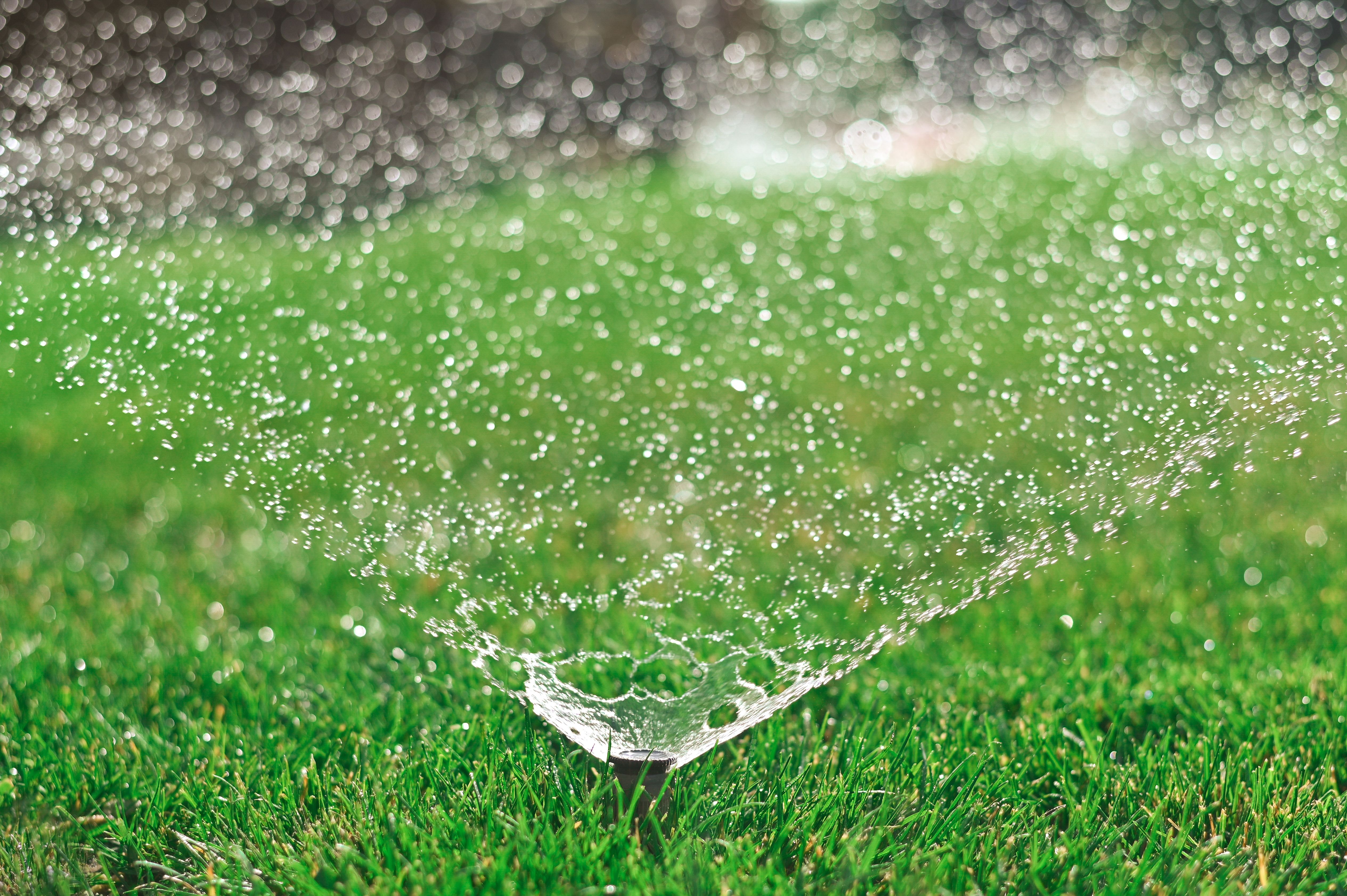
- Sprinkler Systems: Ideal for lawns and larger areas.
- Soaker Hoses: Suitable for garden beds with closely spaced plants.
- Surface Irrigation: Traditional method used in agriculture.
Evaluating Water Sources
Before selecting an irrigation system, evaluate the water sources available on your property. Consider factors such as water pressure, availability, and sustainability. If your property is in an area with water restrictions, a more efficient system like drip irrigation may be necessary.
Design and Layout Considerations
The design and layout of your irrigation system should complement your property's landscape. Plan the system to ensure even water distribution, avoiding both under-watering and over-watering. It's wise to consult with a professional if you're unsure about the system design.
Installation and Maintenance
Once you've chosen the right system, proper installation is crucial. Many systems offer DIY options, but hiring a professional can ensure optimal setup. Regular maintenance, like checking for leaks or clogs, is necessary to keep the system running efficiently.
Cost Considerations
Budget is often a significant factor when choosing an irrigation system. While initial costs vary, consider long-term savings from water conservation and reduced maintenance. Drip irrigation systems, for example, might have higher upfront costs but offer savings over time.
Environmental Impact
Consider the environmental impact of your irrigation choices. Opt for systems that minimize water waste and promote sustainable practices. Implementing rainwater harvesting or using timers and sensors can further enhance your system's efficiency.
Conclusion
Choosing the best irrigation system for your property involves careful consideration of various factors, from the landscape's needs to environmental impact. By understanding these elements and selecting the right system, you can ensure a healthy, thriving landscape while conserving water and resources.