How Often Should I Mow My Lawn in North Carolina? A Seasonal Guide
Maintaining a lush, green lawn in North Carolina requires understanding the region's unique climate and grass types. Mowing is a critical aspect of lawn care, and knowing how often to mow can make all the difference in achieving that perfect lawn.
Understanding North Carolina's Climate
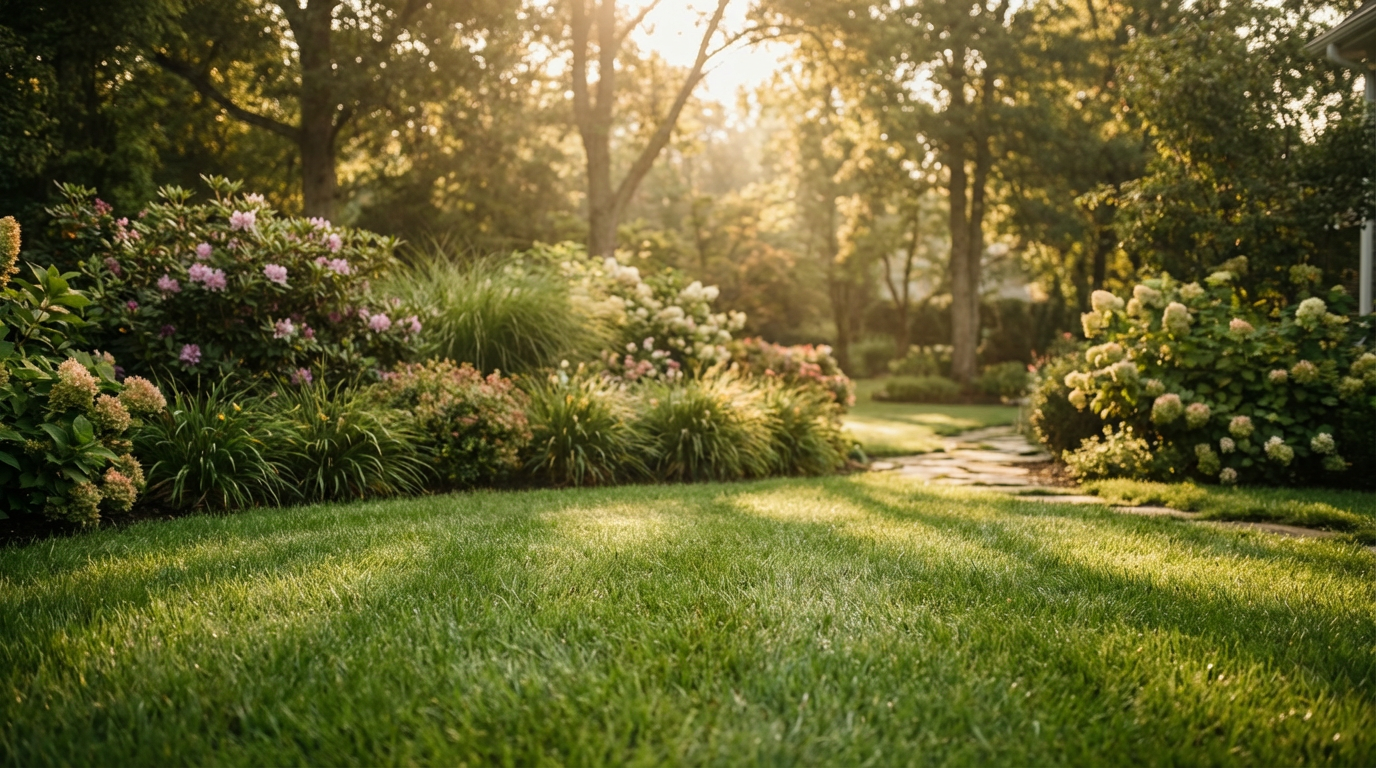
North Carolina's climate varies from the mountains to the coast, but it generally experiences a humid subtropical climate. This means warm summers and mild winters, which influence how grass grows throughout the year. Understanding these climatic conditions is essential for proper lawn care.
Spring Mowing
As temperatures rise in spring, grass begins to grow more rapidly. This is the time to start your regular mowing schedule. For most North Carolina lawns, mowing once a week is ideal during the spring months. This helps keep the grass healthy and prevents weeds from taking over.
Summer Mowing Tips
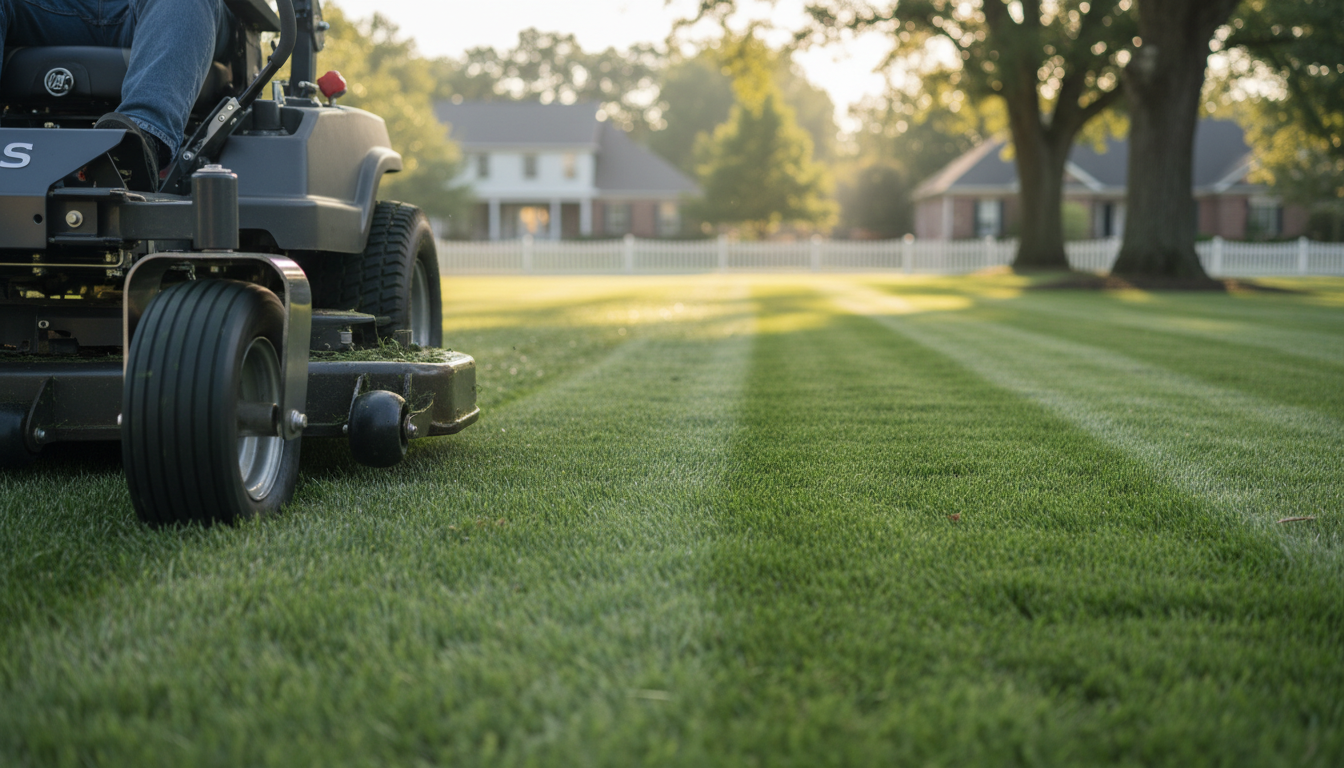
In the summer, North Carolina lawns can experience heat stress. It's important to adjust your mowing practices to help the grass retain moisture. Consider raising the mower blade to keep the grass a bit longer, which provides shade to the roots and reduces water evaporation.
Frequency During Summer
During the peak of summer, you might need to mow every 5 to 7 days. However, if the weather is exceptionally dry, extend the interval to prevent further stress on your lawn.
Fall Mowing Practices
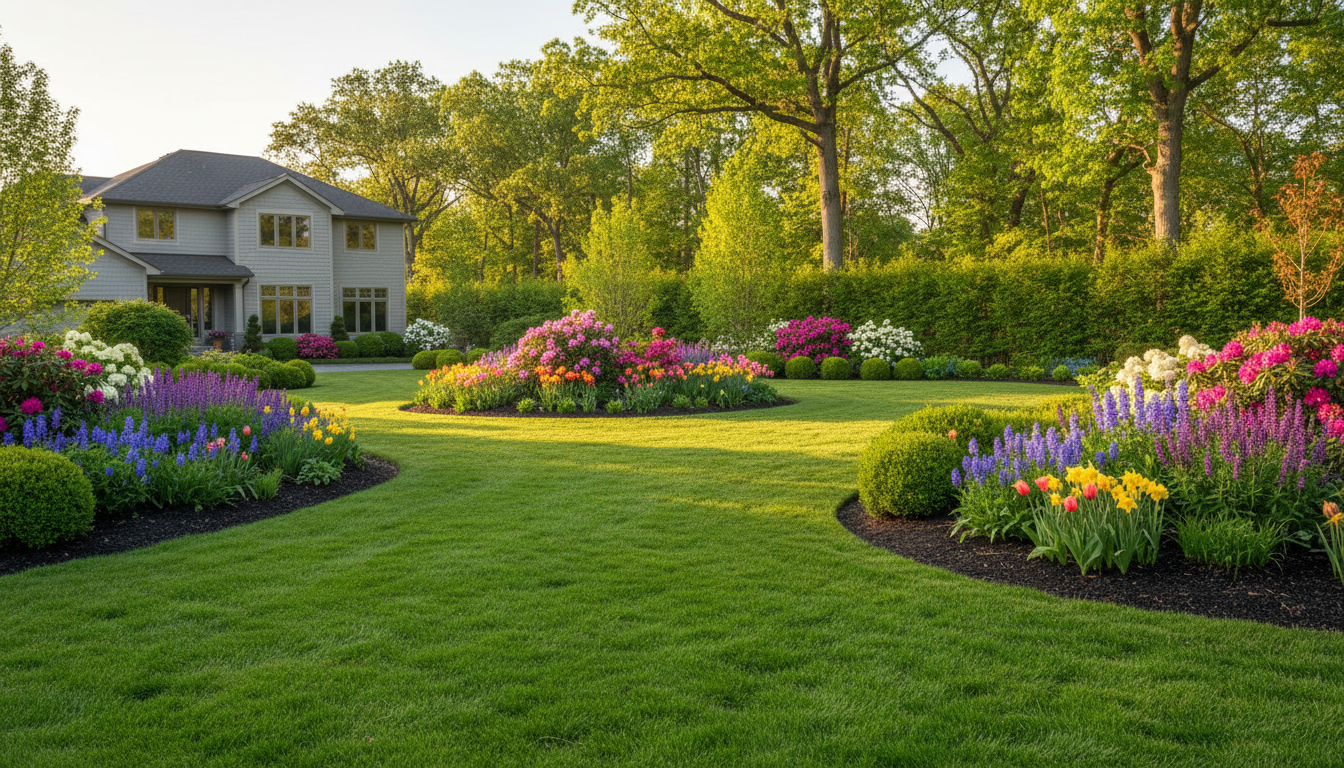
Fall is a crucial time for lawn care in North Carolina. As temperatures cool, grass growth slows down. Mowing once every 10 to 14 days is usually sufficient. This is also a great time to prepare your lawn for winter by ensuring it's free of leaves and debris.
Preparing for Winter
Before the first frost, give your lawn one last mow. Ensure it's not too short, as slightly longer grass helps protect the roots during the colder months.
Winter Considerations
In winter, most grasses in North Carolina go dormant. Mowing is generally unnecessary during this period. However, keep an eye out for any winter weeds that may need attention.
By following these seasonal guidelines, you can keep your North Carolina lawn healthy and beautiful year-round. Remember, the key is to adapt your mowing habits to the changing climate and grass growth patterns.