Expert Tips for Preparing Your Lawn for the Coastal Winter
Understanding Coastal Climate Challenges
Living near the coast offers breathtaking views and mild winters, but it also presents unique challenges for lawn care. The salty air, strong winds, and fluctuating temperatures can affect your lawn's health. Preparing your grass for the coastal winter involves specific strategies to ensure it remains vibrant and healthy.

Focus on Soil Health
Soil health is the foundation of a thriving lawn. Begin by testing your soil's pH levels. Coastal soils often lean toward being sandy and might require adjustments to improve nutrient retention. Consider incorporating organic matter, such as compost, to enhance soil structure and fertility.
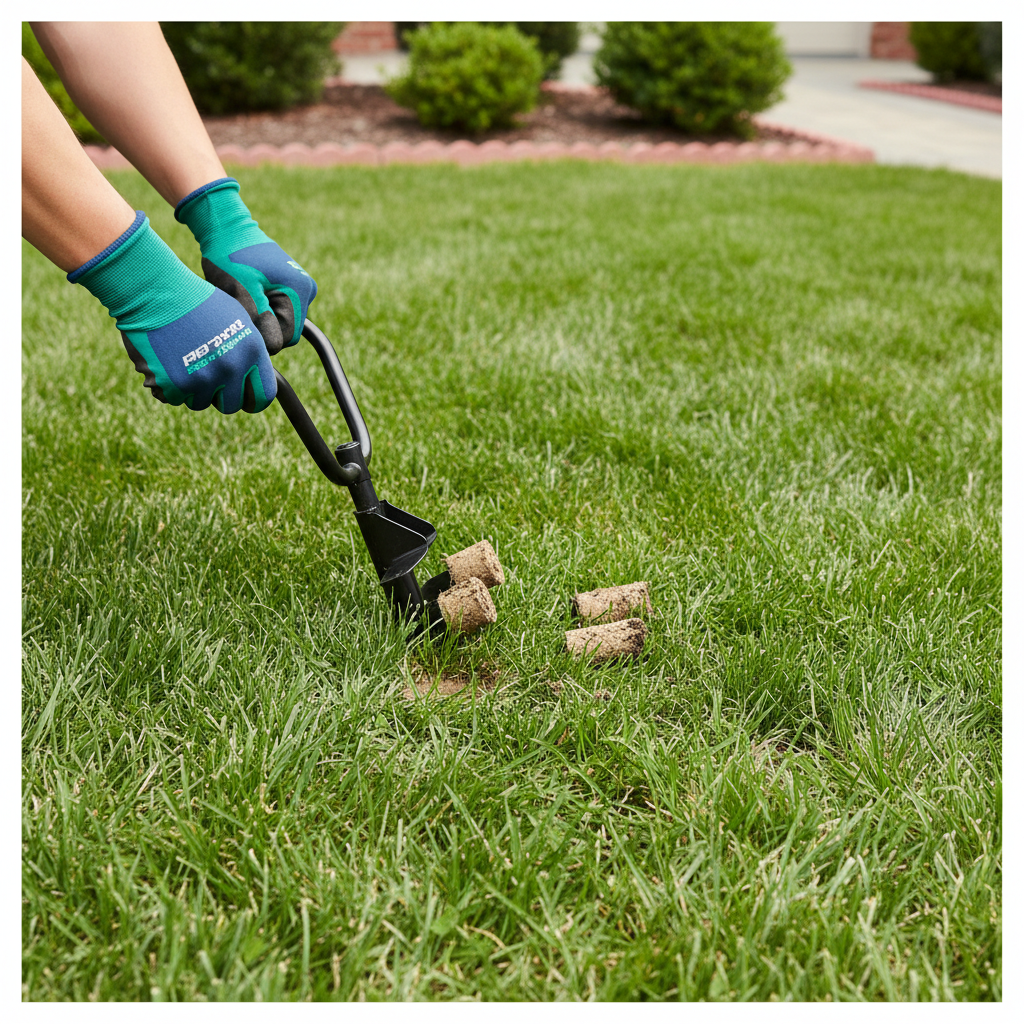
Additionally, aerating your lawn in the fall can help alleviate soil compaction, allowing roots to grow deeper and access essential nutrients. This process also improves water drainage, which is crucial in regions with heavy winter rains.
Choose the Right Grass Type
Not all grass types are suitable for coastal conditions. Selecting the right variety can make a significant difference in your lawn's resilience. Opt for species that are salt-tolerant and can withstand strong winds, such as Bermuda grass or Zoysia. These types of grass are well-suited to coastal environments and require less maintenance.
Winterizing Your Lawn
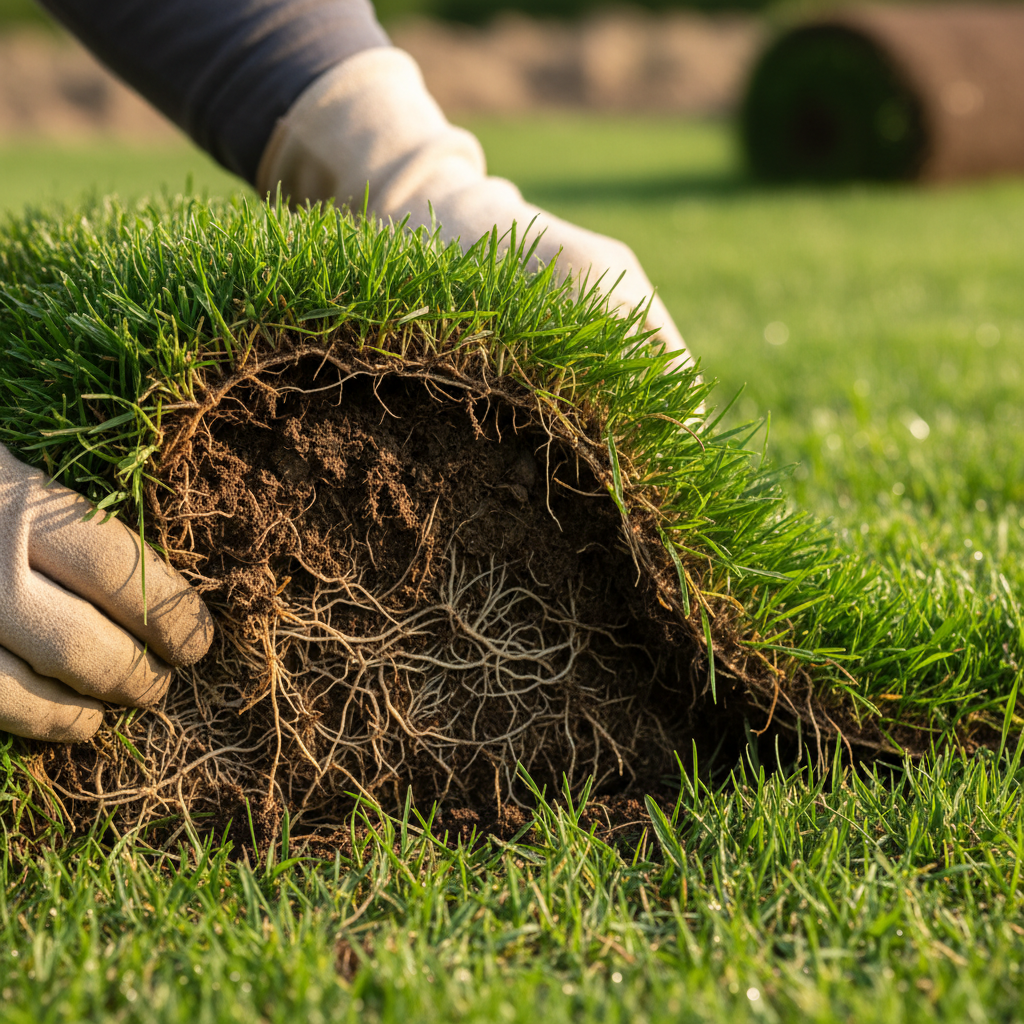
Proper winterization is key to ensuring your lawn survives the colder months. Start by mowing your grass shorter than usual before the first frost. This helps prevent disease and reduces the risk of snow mold. Be sure not to cut it too short, as this can stress the grass.
Fertilizing your lawn with a slow-release fertilizer in the fall will provide essential nutrients throughout the winter. Choose a fertilizer with a balanced mix of nitrogen, phosphorus, and potassium to support root development.
Combat Salt Damage
Salt from the ocean and de-icing products can damage your lawn. To mitigate this, consider applying gypsum to neutralize salt buildup. You can also use burlap barriers to protect your grass from salt spray, especially if your lawn is directly exposed to the ocean.
Regular Maintenance and Monitoring
Even during the winter, your lawn requires regular attention. Monitor it for signs of disease or pest infestations. Remove debris such as leaves and branches to prevent mold and mildew growth. If heavy rains are common, ensure proper drainage to avoid waterlogging.
By following these expert tips, you can maintain a lush, healthy lawn throughout the coastal winter. With a bit of preparation and care, your lawn will be ready to thrive when spring arrives.