Expert Tips for Eco-Friendly Landscaping in Wilmington
Understanding the Climate and Soil in Wilmington
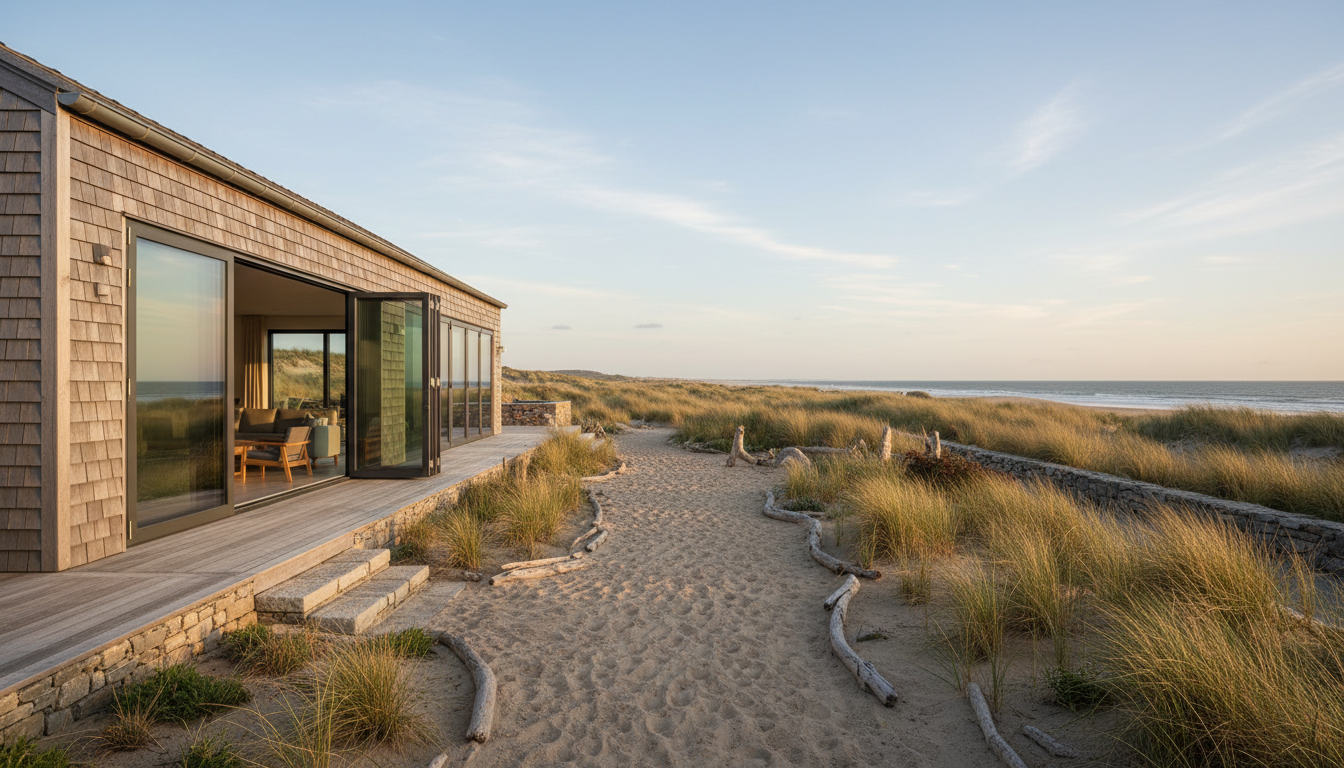
Wilmington's coastal climate presents unique opportunities and challenges for eco-friendly landscaping. With its humid subtropical climate, the area experiences hot summers and mild winters, making it ideal for a variety of plants. However, the sandy soil can be a concern for water retention and nutrient availability.
To create a sustainable landscape, it's essential to choose plants that are well-suited to these conditions. Native plants are often the best choice as they have adapted to the local environment and require less water and maintenance.
Choosing the Right Plants
Selecting the appropriate plants is crucial for eco-friendly landscaping. Consider using drought-tolerant and native species such as the Eastern Redbud or the Southern Magnolia. These plants not only thrive in Wilmington's climate but also support local wildlife and pollinators.
Incorporating a mix of trees, shrubs, and perennials can create a diverse and resilient garden. By doing so, you'll reduce the need for fertilizers and pesticides, promoting a healthier ecosystem.
Efficient Water Management
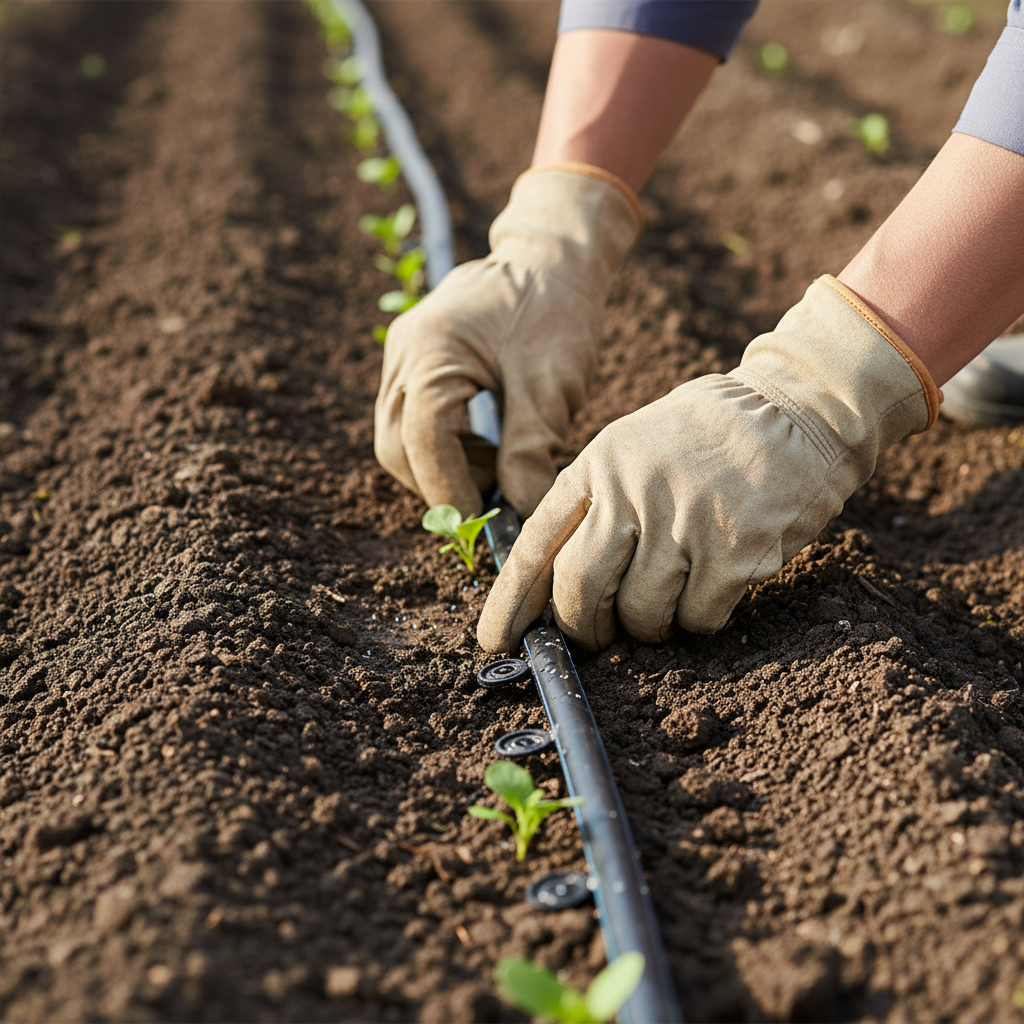
Water conservation is a key aspect of sustainable landscaping. Implementing a drip irrigation system can significantly reduce water usage, ensuring that plants receive moisture directly at their roots. This method minimizes evaporation and runoff.
Mulching is another effective strategy to retain soil moisture and regulate temperature. Organic mulch materials, such as wood chips or pine needles, decompose over time, enriching the soil with nutrients.
Soil Improvement Techniques
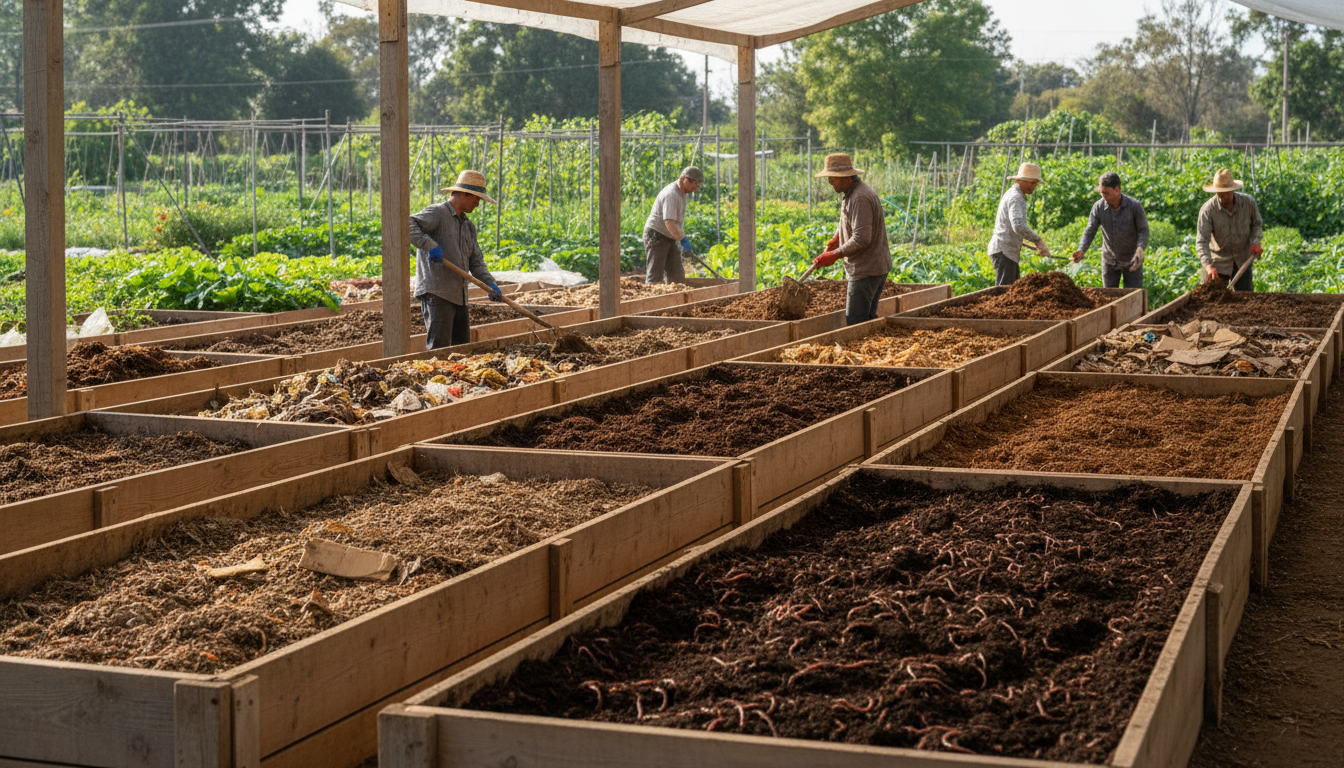
Improving soil health is vital for sustainable landscaping. Adding organic matter like compost enhances soil structure and nutrient content, supporting plant growth. Regular soil testing can guide you in making necessary amendments.
Consider using cover crops during the off-season to prevent erosion and improve soil fertility. This practice not only enriches the soil but also protects it from harsh weather conditions.
Incorporating Hardscaping Elements
Hardscaping, such as pathways and patios, can be integrated into your eco-friendly landscape design. Using permeable materials like gravel or permeable pavers allows rainwater to seep into the ground, reducing runoff and erosion.
Strategically placing these elements can enhance the functionality and aesthetics of your garden while maintaining its sustainability. Consider using recycled or locally sourced materials to further minimize your environmental impact.
Conclusion: A Commitment to Sustainability
Eco-friendly landscaping in Wilmington is about more than just aesthetics; it's a commitment to environmental stewardship. By choosing the right plants, managing water wisely, and improving soil health, you can create a beautiful and sustainable outdoor space.
Embrace these expert tips to transform your garden into a haven for both you and the local ecosystem, ensuring your landscape thrives for years to come.