Expert Insights: Why Aeration and Overseeding are Essential for NC Lawns
The Importance of Lawn Care in North Carolina
North Carolina's climate presents unique challenges to maintaining a lush, vibrant lawn. The combination of warm summers and cool winters means that homeowners must adopt specific strategies to ensure their lawns remain healthy year-round. Among these strategies, aeration and overseeding stand out as essential practices.
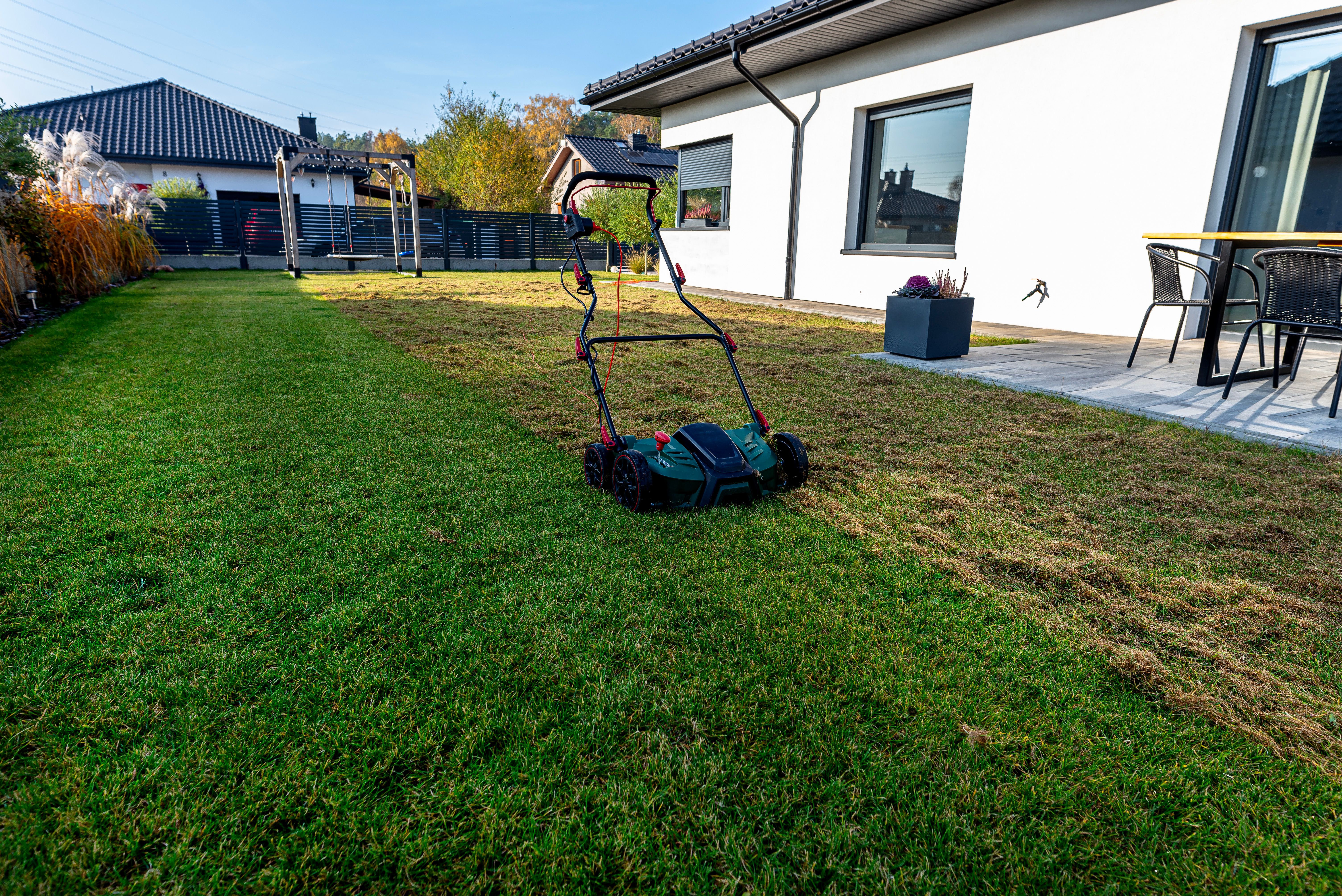
Aeration involves perforating the soil with small holes to allow air, water, and nutrients to penetrate the grassroots. Overseeding, on the other hand, is the process of planting grass seed directly onto existing turf. Together, these practices can significantly improve the health and appearance of your lawn.

Understanding Aeration
One of the primary benefits of aeration is the reduction of soil compaction. In North Carolina, clay-heavy soils are common, leading to a dense ground structure that can hinder root growth. By aerating your lawn, you alleviate this compaction, allowing roots to expand and access essential nutrients.
Aeration also enhances water absorption. During periods of heavy rainfall, compacted soil may lead to runoff, but aerated soil allows water to seep in, reducing the risk of erosion and promoting deeper root growth.
When to Aerate
For North Carolina lawns, the ideal time to aerate is during the growing season, typically in the early fall. This timing ensures that grass can recover quickly and take full advantage of the improved soil conditions.
The Role of Overseeding
Overseeding complements aeration by filling in bare spots and enhancing the lawn's density. A thicker lawn is not only more visually appealing but also better at resisting weeds and diseases. In North Carolina, where seasonal transitions can stress grass, overseeding provides a boost in resilience.
Using a mix of grass seed varieties suited for local conditions can create a more robust lawn. This diversity helps the lawn withstand various environmental stresses, such as heat and drought.
Best Practices for Overseeding
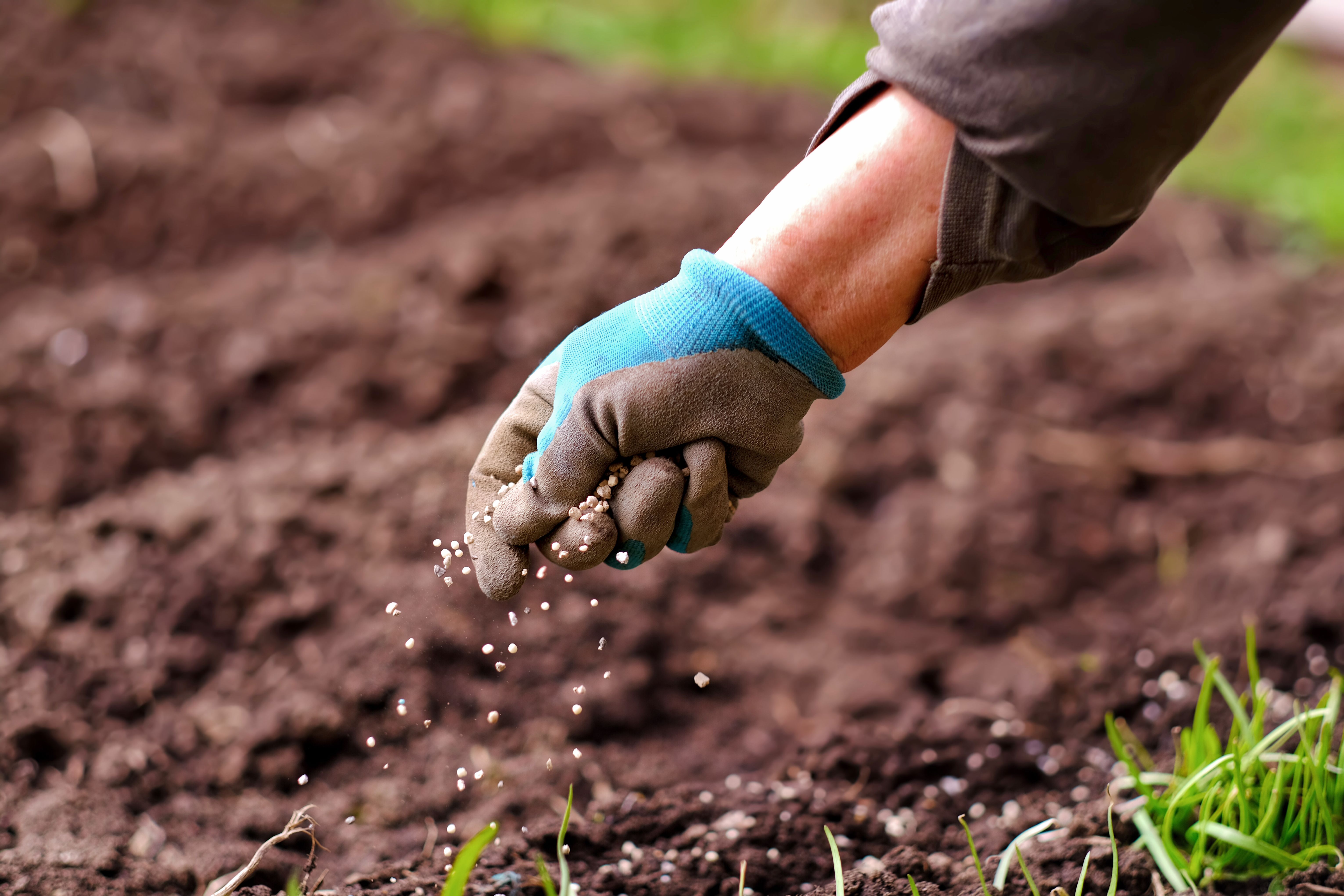
After aerating, spread the seeds evenly across the lawn. It's crucial to keep the soil moist to encourage germination. Autumn is an ideal time for overseeding because the cooler temperatures and increased rainfall support seed growth.
Long-term Benefits of Aeration and Overseeding
By integrating aeration and overseeding into your lawn care routine, you set the foundation for a healthier lawn that requires less maintenance over time. A well-aerated and overseeded lawn not only looks lush but also strengthens root systems, making the grass more resilient against pests and environmental stresses.
Moreover, these practices help improve soil health, promoting a balanced ecosystem within your yard. This balance is vital for sustaining a beautiful lawn year after year.
Conclusion: A Healthier Lawn Awaits
In conclusion, aeration and overseeding are more than just seasonal chores; they are critical components of effective lawn care in North Carolina. By understanding and implementing these practices, you can ensure your lawn remains a source of pride and enjoyment.
Investing time in aeration and overseeding can transform your lawn into a thriving green space, enhancing not only your home's curb appeal but also its environmental footprint.