Expert Insights: Trends in Sustainable Lawn Care
Introduction to Sustainable Lawn Care
As environmental awareness continues to grow, more homeowners are seeking ways to maintain their lawns sustainably. Sustainable lawn care not only benefits the planet but can also enhance the beauty and health of your outdoor space. Let's explore the latest trends in sustainable lawn care that are transforming landscapes globally.
Organic Lawn Treatments
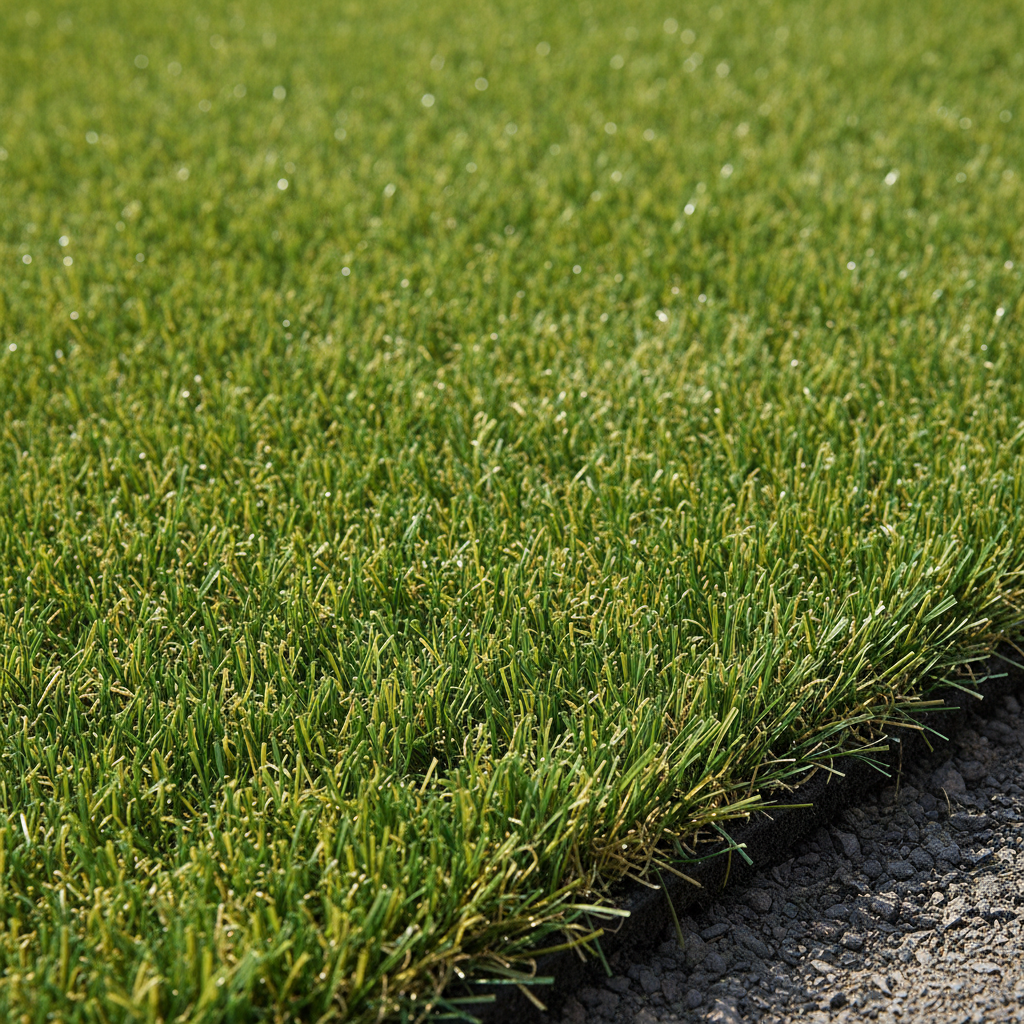
One of the most significant trends in sustainable lawn care is the shift towards organic treatments. Traditional chemical fertilizers and pesticides are being replaced with natural alternatives that promote a healthy ecosystem. These products not only reduce chemical runoff but also support beneficial soil organisms.
Organic options include fertilizers made from compost, bone meal, and seaweed extracts. These materials enrich the soil, providing essential nutrients without harming the environment.
Benefits of Organic Treatments
- Environmentally Friendly: Reduce chemical runoff into waterways.
- Soil Health: Improve soil structure and fertility.
- Safe for Kids and Pets: Non-toxic options provide peace of mind.
Water Conservation Techniques
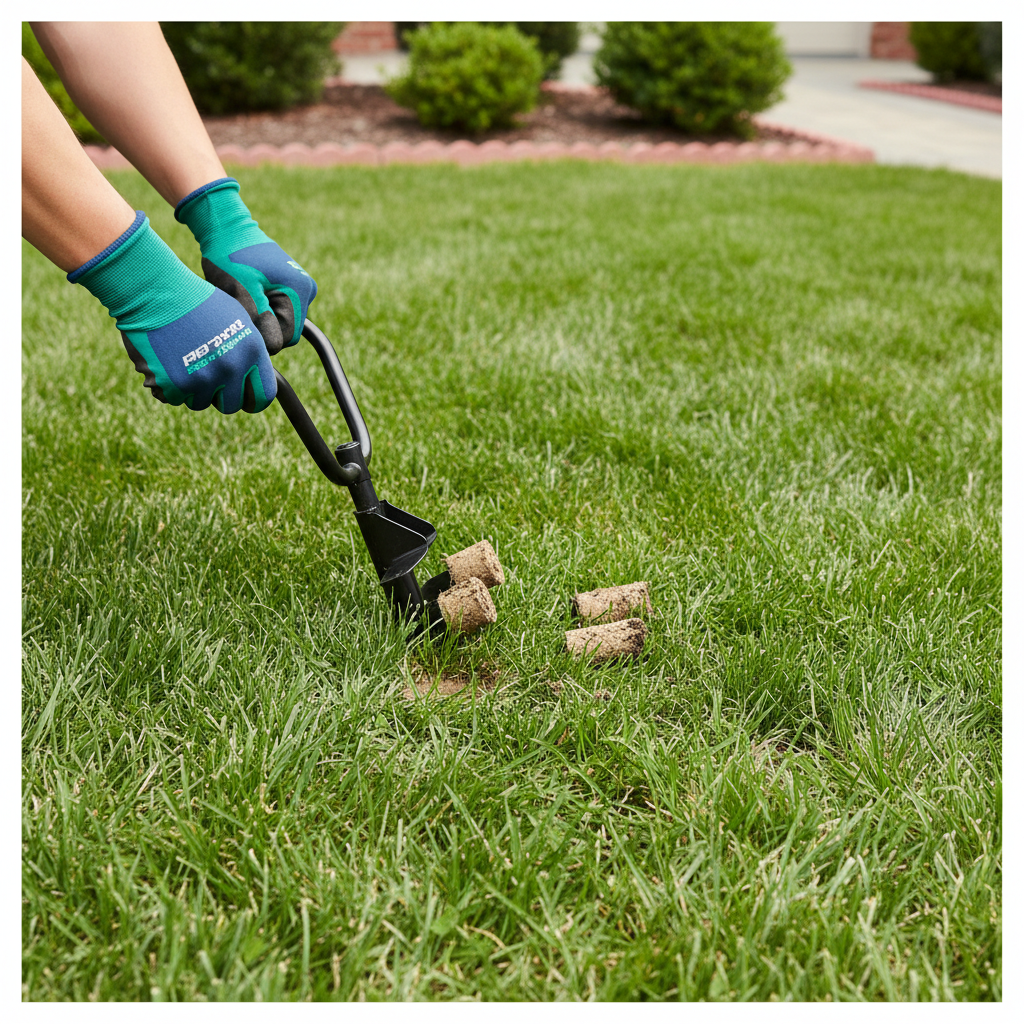
Water conservation is another crucial aspect of sustainable lawn care. Homeowners are adopting various techniques to minimize water usage while maintaining lush, green lawns. From drought-resistant grass species to smart irrigation systems, the focus is on efficiency and sustainability.
Smart Irrigation Systems
Smart irrigation systems utilize weather data and soil moisture sensors to optimize watering schedules. This technology ensures that your lawn receives just the right amount of water, reducing waste and promoting healthier grass growth.

Native Plants and Biodiversity
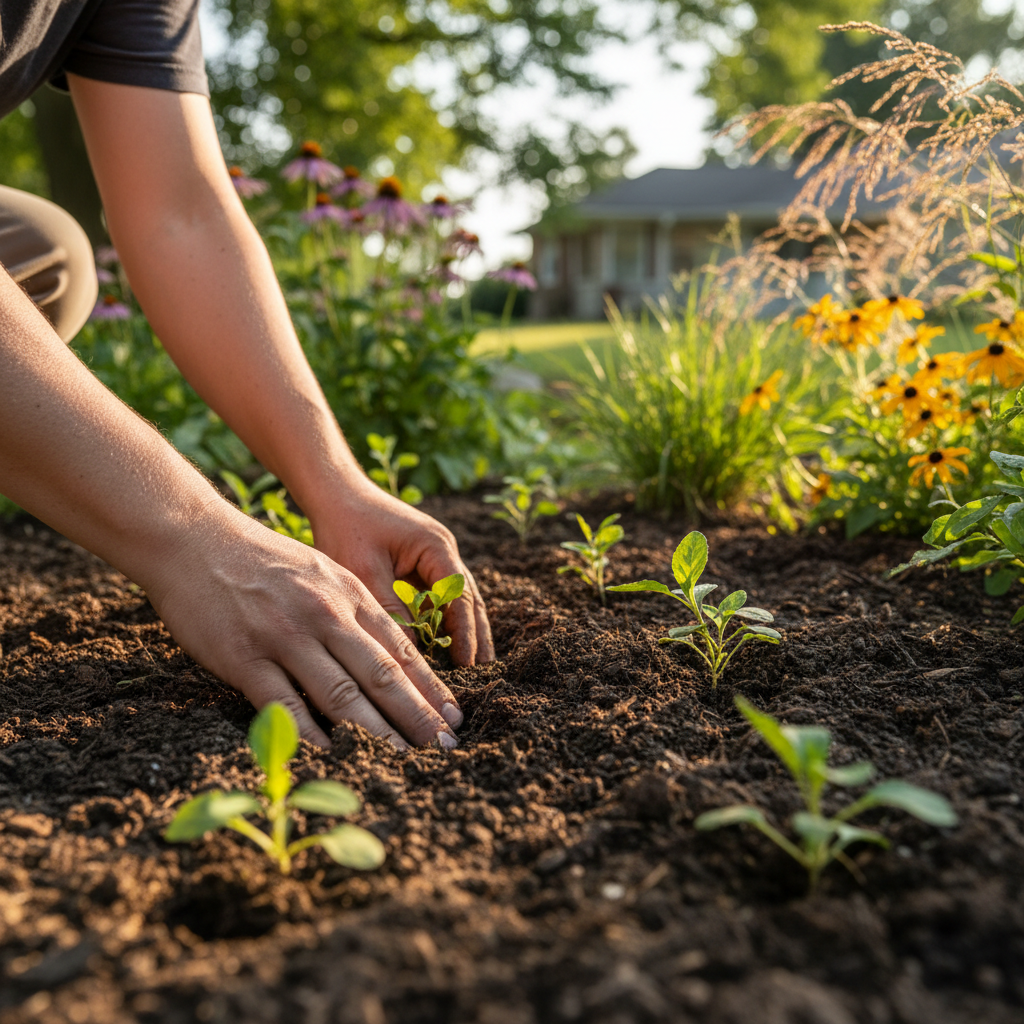
Incorporating native plants into lawn design is becoming increasingly popular. Native species are adapted to local climates and require less water and maintenance. This trend not only supports local wildlife but also enhances the resilience of your lawn.
Benefits of Biodiversity: A diverse lawn encourages beneficial insects and birds, creating a balanced ecosystem that naturally manages pests and diseases.
Designing with Native Plants
Consider planting native grasses, wildflowers, and shrubs that complement your lawn. These plants provide seasonal interest, attract pollinators, and contribute to a thriving outdoor environment.
Conclusion
The shift towards sustainable lawn care is a positive step for homeowners and the environment alike. By embracing organic treatments, water conservation techniques, and native plant integration, you can create a beautiful, eco-friendly lawn. These trends not only enhance the aesthetic appeal of your yard but also contribute to a healthier planet.