Expert Insights: The Latest Trends in Lawn Care You Need to Know
Understanding the Shift in Lawn Care Practices
In recent years, lawn care has evolved from traditional methods to more innovative and environmentally friendly practices. Homeowners and professionals are increasingly seeking sustainable solutions that promote healthy lawns while minimizing environmental impact.
Sustainable Lawn Care Techniques
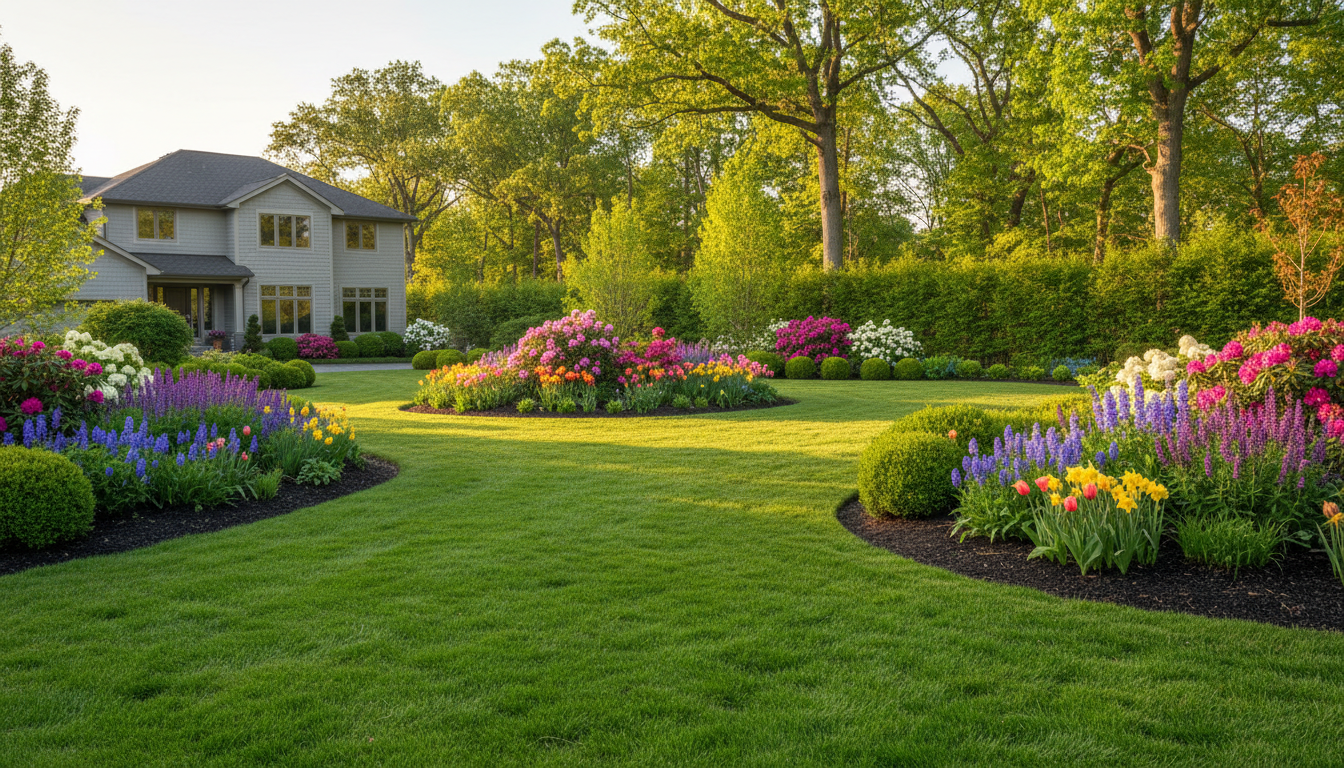
One of the most significant trends is the shift towards sustainable lawn care. This involves using organic fertilizers, reducing chemical usage, and implementing practices that conserve water. By opting for organic fertilizers, you can enhance soil fertility and encourage beneficial microorganisms.
Another popular method is xeriscaping, which involves landscaping with drought-resistant plants and grasses. This not only reduces water usage but also creates a unique and attractive lawn aesthetic.
Smart Technology in Lawn Maintenance
Smart technology is revolutionizing lawn care by offering more precise and efficient ways to maintain a healthy lawn. Automated sprinkler systems equipped with sensors can adjust watering schedules based on weather conditions, ensuring optimal hydration without waste.
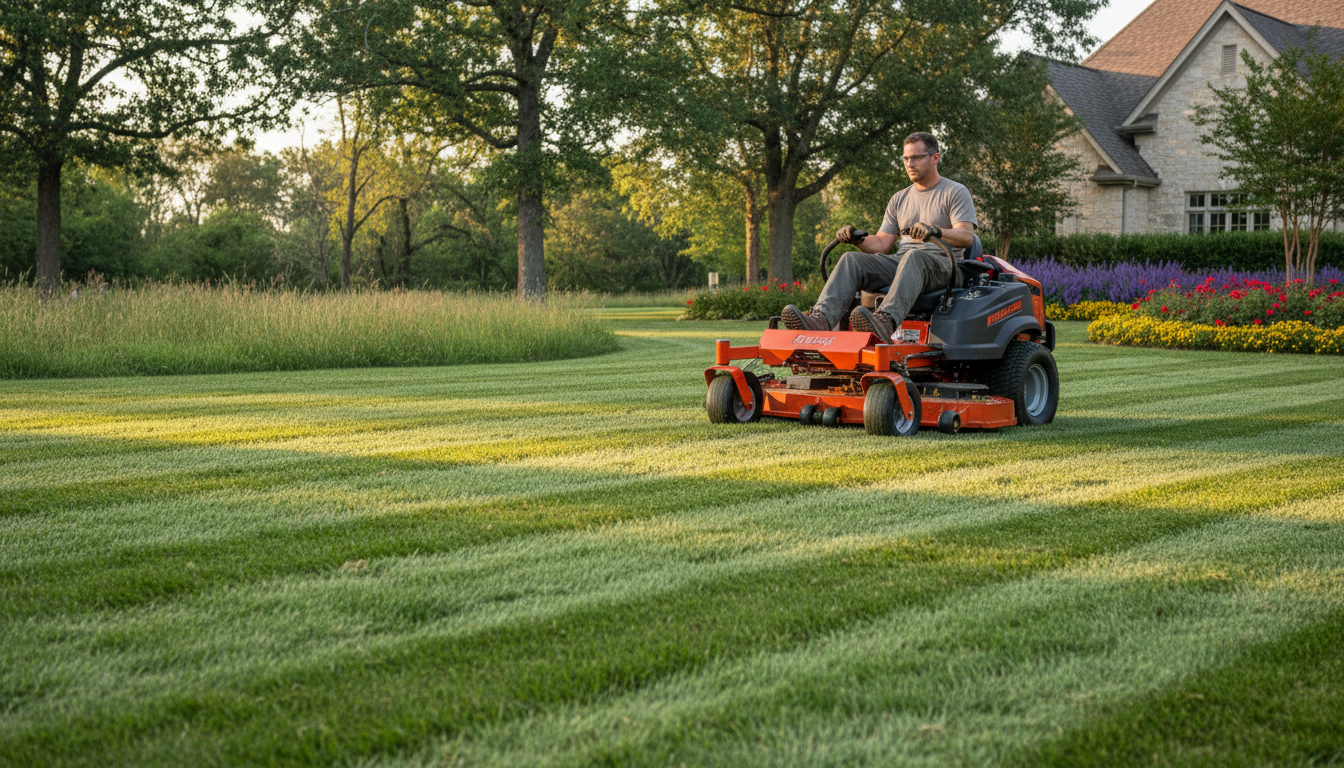
Robotic lawn mowers are also gaining popularity. These devices can be programmed to mow lawns at set intervals, providing convenience and consistent lawn height management.
Embracing Native Plants
Incorporating native plants into your lawn is another growing trend. Native plants are adapted to local climates and soil conditions, requiring less water and maintenance. This practice not only supports local ecosystems but also enhances the biodiversity of your lawn.
Integrated Pest Management
Integrated Pest Management (IPM) is an approach that combines various strategies to manage pests effectively and sustainably. By using biological controls, such as beneficial insects, and cultural practices like crop rotation, IPM reduces reliance on chemical pesticides.
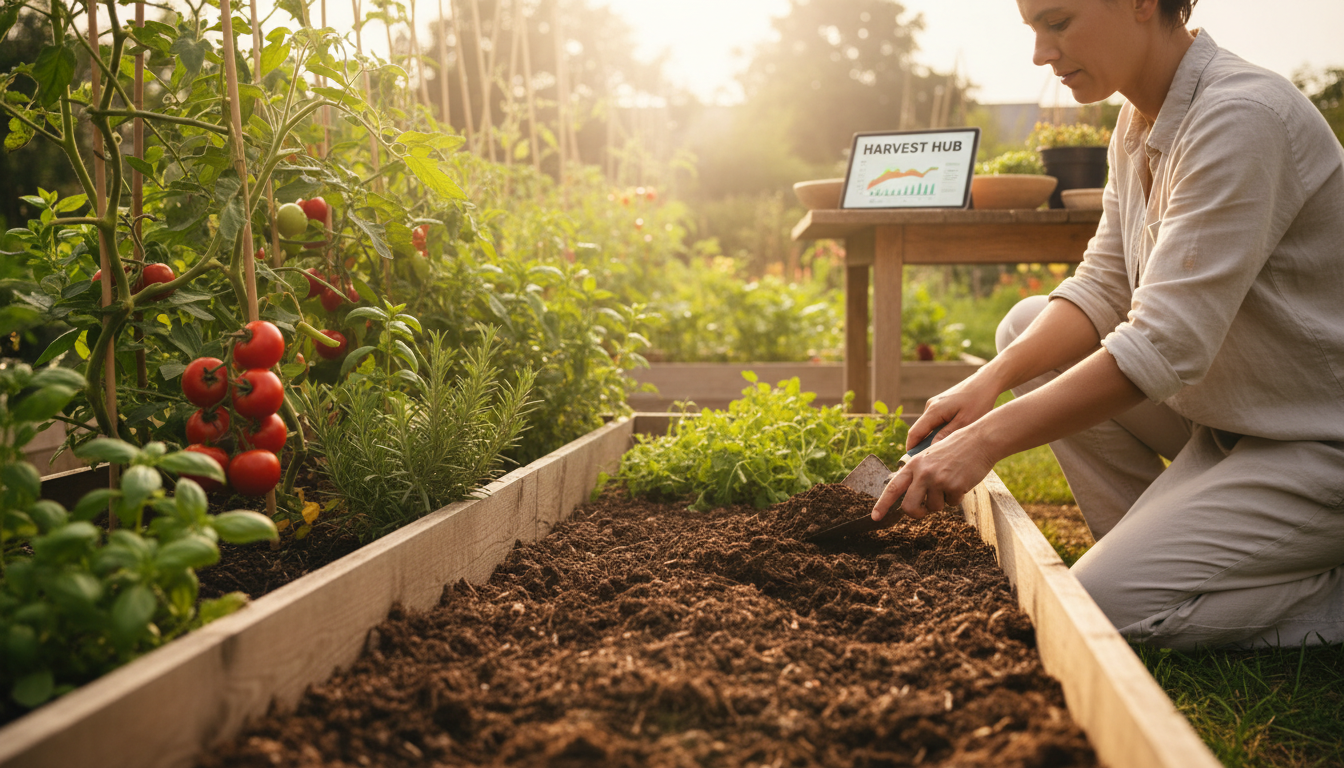
This method not only protects your lawn but also promotes a healthier environment for beneficial insects and wildlife.
The Rise of Lawn Alternatives
Many homeowners are exploring alternatives to traditional grass lawns. Options like clover lawns, moss gardens, and ground covers require less maintenance and provide unique textures and colors.
These alternatives can be particularly appealing in areas where traditional grass struggles to thrive due to climate or soil conditions.
Conclusion
Staying informed about the latest trends in lawn care allows you to make choices that benefit both your lawn and the environment. By embracing sustainable practices, utilizing smart technology, and considering native plants or alternatives, you can achieve a beautiful and eco-friendly outdoor space.