Eco-Friendly Landscaping Tips for Your Castle Hayne Home
Introduction to Eco-Friendly Landscaping
Transforming your Castle Hayne home into a beacon of sustainability starts right in your backyard. Eco-friendly landscaping not only enhances the beauty of your outdoor space but also contributes positively to the environment. By adopting sustainable practices, you can reduce water usage, minimize chemical applications, and support local wildlife.

Choose Native Plants
One of the simplest ways to create an eco-friendly landscape is by incorporating native plants. These plants are adapted to the local climate and soil conditions, requiring less water and maintenance. In Castle Hayne, you might consider options like the Eastern Redbud or Carolina Jessamine to add vibrant color and attract pollinators.
Benefits of Native Plants
Native plants offer numerous advantages, including improved resilience to local pests and diseases. They also provide essential food and habitat for native wildlife, supporting biodiversity in your garden. By choosing native species, you contribute to a balanced ecosystem.

Implement Water Conservation Techniques
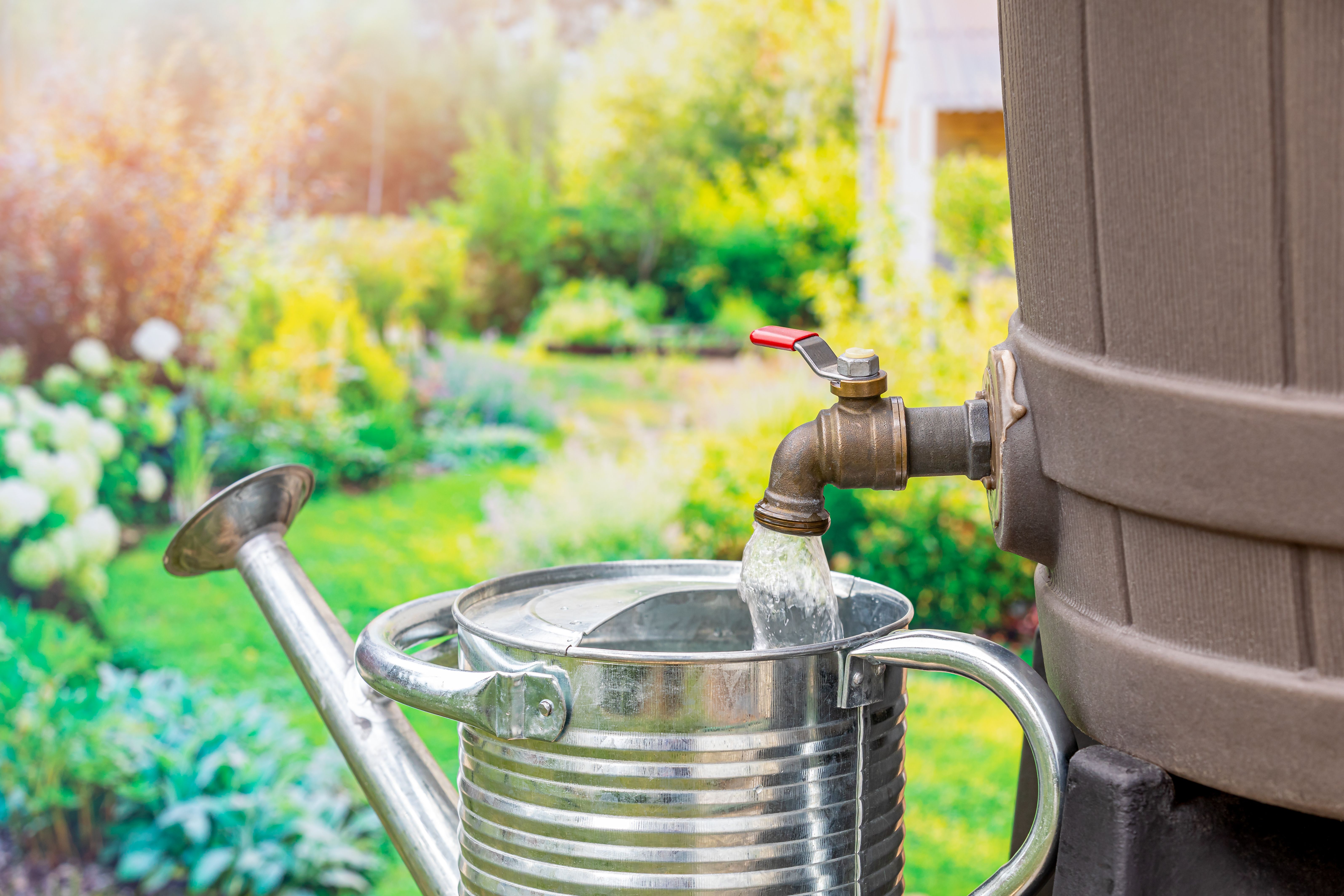
Water conservation is a crucial aspect of eco-friendly landscaping. Implementing strategies to reduce water usage not only conserves a precious resource but also lowers your water bill. Consider installing a rainwater harvesting system to collect and store rainwater for irrigation purposes.
Drip Irrigation Systems
Another effective method is to use drip irrigation systems. These systems deliver water directly to the plant’s root zone, minimizing evaporation and ensuring efficient water use. Additionally, applying mulch around plants can help retain soil moisture and reduce the need for frequent watering.
Reduce Lawn Areas
Traditional lawns require significant amounts of water, fertilizers, and pesticides. To make your landscape more sustainable, consider reducing lawn areas and replacing them with ground covers, ornamental grasses, or wildflower meadows. This change not only reduces maintenance but also enhances the aesthetic appeal of your garden.
Alternative Ground Covers
Explore alternative ground covers such as clover or creeping thyme, which provide lush greenery with minimal upkeep. These options are drought-tolerant and can add unique textures to your landscape, creating a visually appealing and environmentally friendly garden.
Encourage Wildlife with Habitats
Creating habitats for wildlife is another vital component of eco-friendly landscaping. By incorporating birdhouses, bee hotels, and bat boxes, you provide shelter and nesting sites for beneficial creatures. This practice supports local wildlife populations and promotes a healthy ecosystem in your backyard.
Pollinator Gardens
Consider dedicating a section of your garden to a pollinator-friendly area. Plant a variety of flowering plants that bloom at different times of the year to provide continuous food sources for bees, butterflies, and other pollinators. This effort not only aids in pollination but also adds dynamic beauty to your landscape.