Eco-Friendly Landscaping in Wilmington: Sustainable Practices for Your Lawn
Embracing eco-friendly landscaping in Wilmington not only enhances the beauty of your property but also contributes to a healthier environment. With its coastal charm, Wilmington offers unique opportunities for sustainable lawn care practices that can save resources and reduce environmental impact.
Understanding Eco-Friendly Landscaping
Eco-friendly landscaping focuses on using practices that are beneficial to the environment. This includes reducing water usage, minimizing chemical inputs, and enhancing biodiversity. By implementing these methods, homeowners can create landscapes that are both beautiful and sustainable.
Native Plant Selection
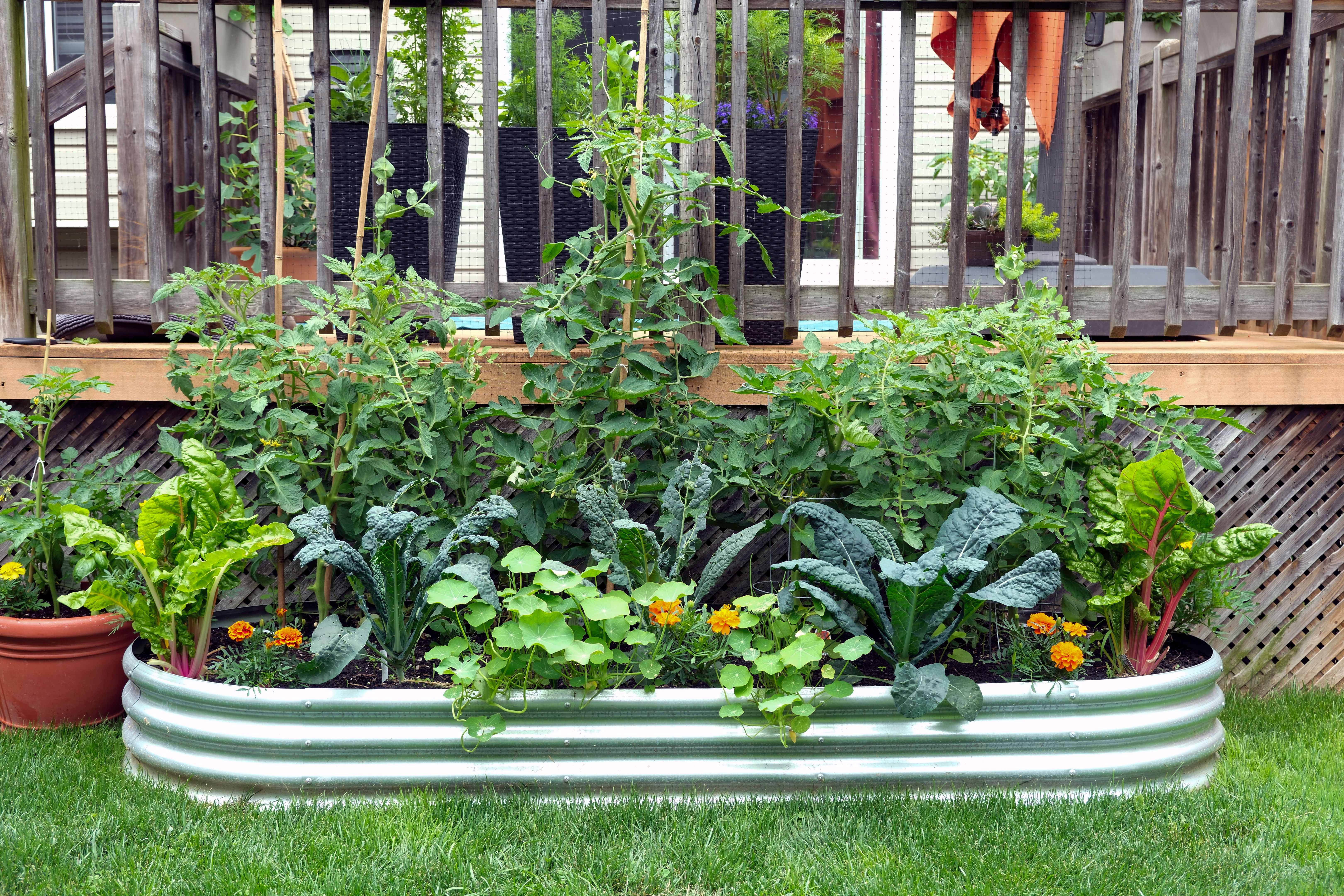
One of the most effective ways to achieve a sustainable landscape is by choosing native plants. These plants are adapted to the local climate and soil conditions, which means they require less water and maintenance. In Wilmington, consider incorporating plants like the Eastern Redbud or the Southern Magnolia for a vibrant and resilient garden.
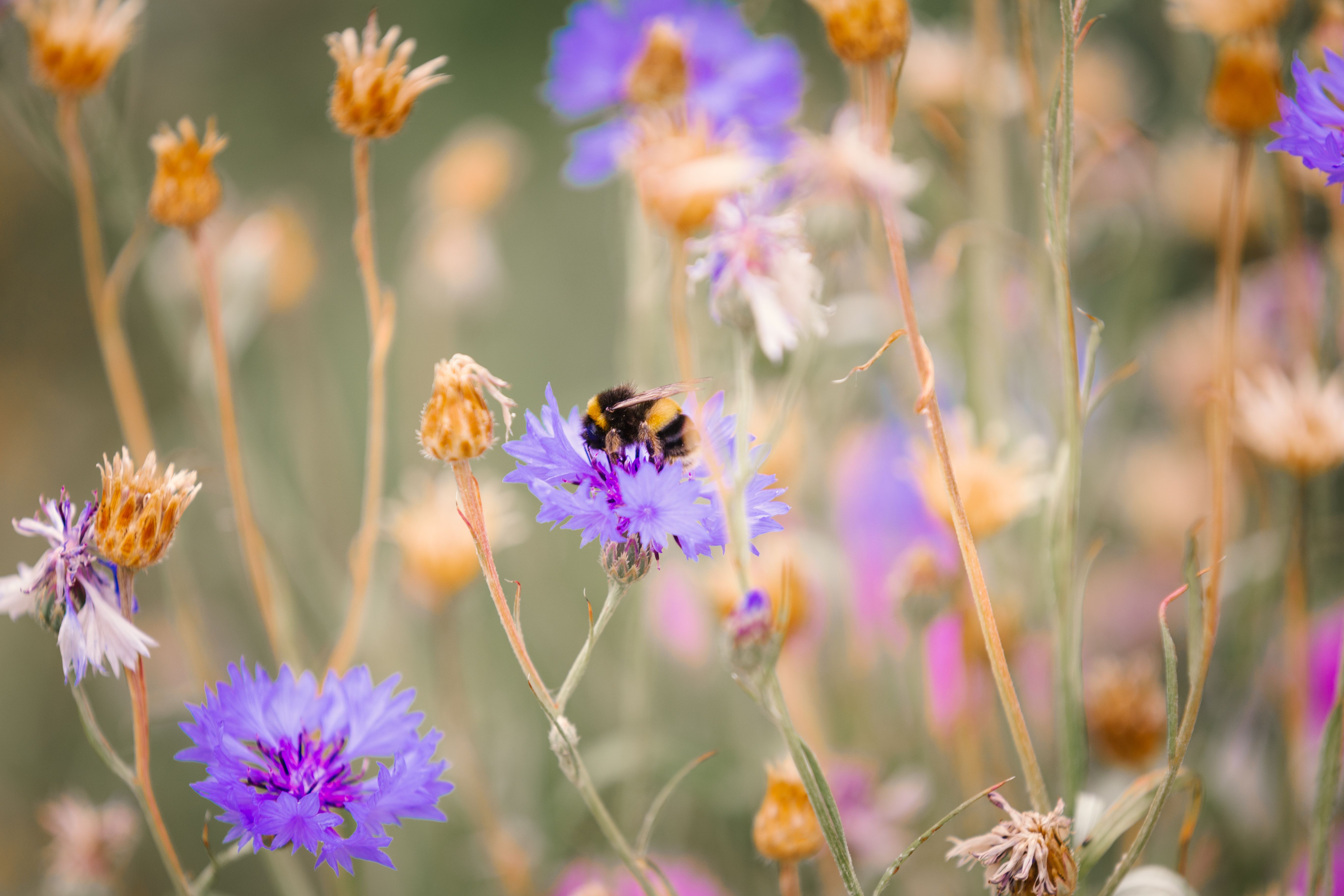
Native plants not only thrive with minimal care but also support local wildlife, offering food and habitat for birds, butterflies, and other beneficial insects.
Water Conservation Techniques
Water is a precious resource, and conserving it is crucial for sustainable landscaping. Implementing techniques like drip irrigation and rainwater harvesting can significantly reduce water usage. Drip irrigation delivers water directly to the roots, minimizing evaporation and runoff.

Additionally, consider using mulch in garden beds to retain soil moisture and reduce the need for frequent watering. Mulching also helps control weeds, further enhancing the health of your landscape.
Soil Health and Composting
Maintaining healthy soil is fundamental to sustainable landscaping. Regularly test your soil to understand its nutrient needs and adjust your practices accordingly. Composting is a great way to enrich your soil naturally, providing essential nutrients that promote plant growth.
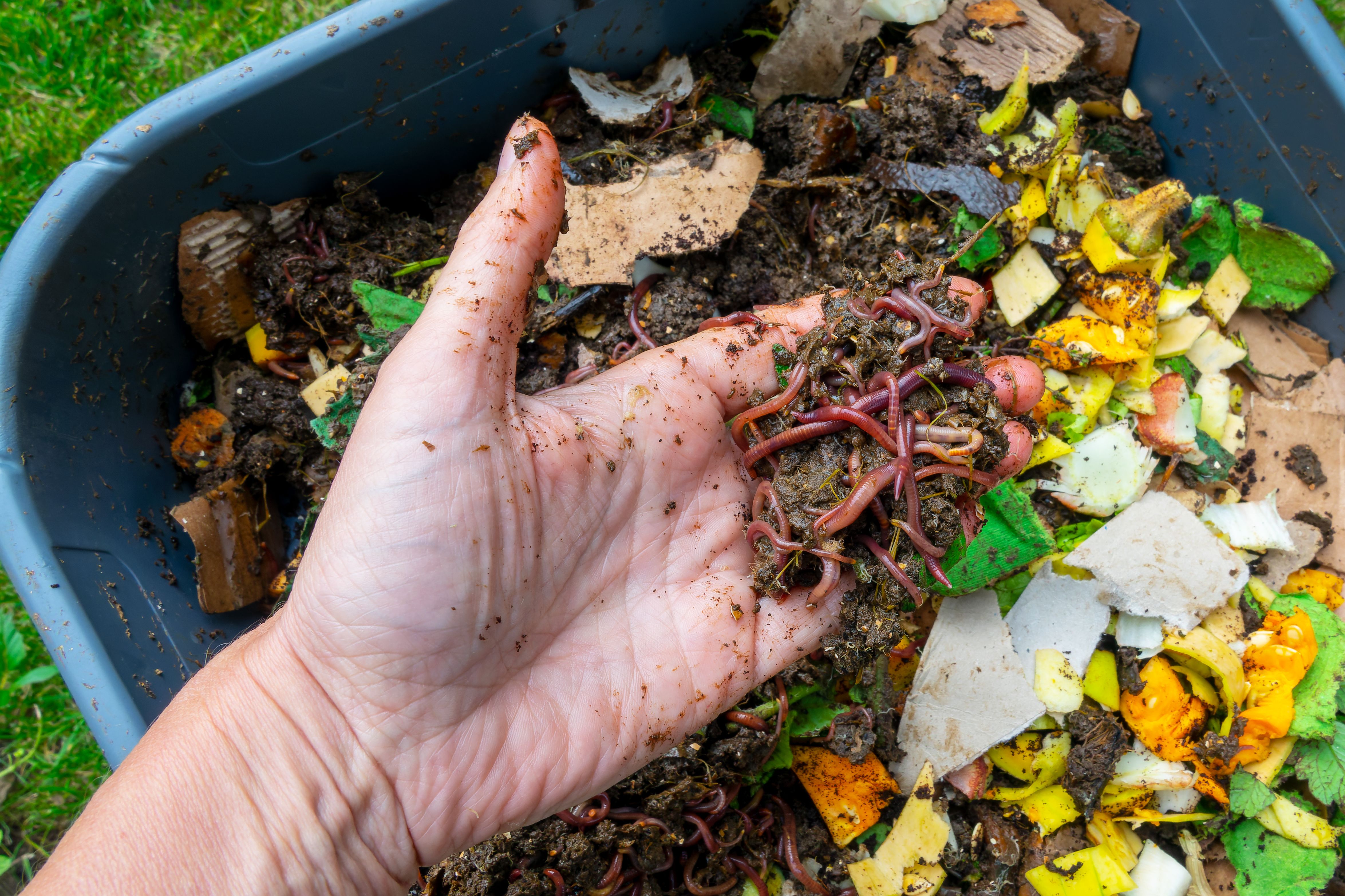
Compost can be made from kitchen scraps, grass clippings, and other organic materials. It not only improves soil structure but also supports beneficial microorganisms that enhance plant health.
Minimizing Chemical Use
Reducing the use of chemical fertilizers and pesticides is crucial for an eco-friendly lawn. Opt for organic fertilizers and pest control methods, which are safer for the environment and your family. Introducing beneficial insects and planting companion plants can naturally deter pests.
By focusing on natural solutions, you can maintain a lush, green lawn without compromising the health of the surrounding ecosystem.
Creating Wildlife Habitats
Enhancing biodiversity is another key aspect of sustainable landscaping. By creating habitats for local wildlife, you can support the ecosystem and enjoy the beauty of nature in your backyard. Consider installing birdhouses, bat boxes, or a small pond to attract a variety of species.
These features not only provide shelter and food for animals but also add interest and diversity to your landscape design.
Community Involvement and Education
Finally, consider engaging with your community to promote eco-friendly landscaping practices. Joining local gardening clubs or attending workshops can provide valuable insights and foster a sense of community around sustainable living.
By sharing knowledge and experiences, you can inspire others to adopt eco-friendly practices, contributing to a greener Wilmington for everyone.