Eco-Friendly Alternatives to Traditional Lawn Care Products
Understanding the Need for Eco-Friendly Lawn Care
Maintaining a lush, green lawn is a common goal for many homeowners. However, traditional lawn care products often contain chemicals that can harm the environment. These substances can leach into groundwater, affect local wildlife, and disrupt ecosystems. Fortunately, there are eco-friendly alternatives that can help you achieve a beautiful lawn without compromising the planet.

Organic Fertilizers
One of the most effective ways to care for your lawn sustainably is by using organic fertilizers. Unlike synthetic options, organic fertilizers are made from natural materials such as compost, manure, or bone meal. They release nutrients slowly, improving soil health and promoting stronger grass growth. This approach not only nourishes your lawn but also enhances soil biodiversity.
Natural Weed Control
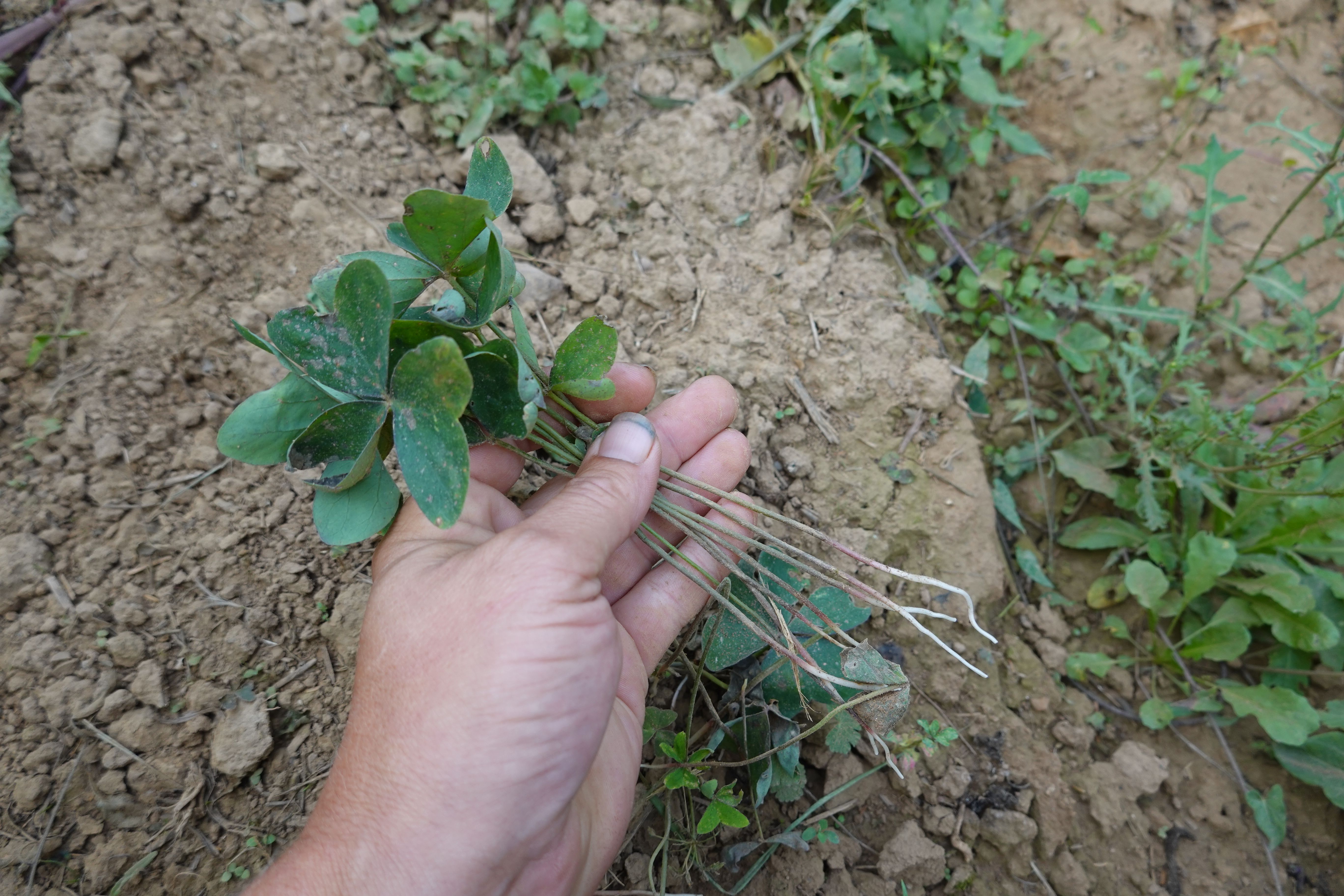
Weeds can be a persistent problem, but there are eco-friendly solutions to keep them at bay. Corn gluten meal, for example, is a natural pre-emergent herbicide that prevents weed seeds from germinating. Additionally, vinegar and boiling water can be used as spot treatments for existing weeds, providing an effective and chemical-free solution.
Water Conservation Techniques
Watering is crucial for lawn health, but it can be wasteful if not done properly. Implementing water conservation techniques, such as using drought-resistant grass varieties and installing a rain barrel, can significantly reduce water usage. Additionally, watering early in the morning or late in the evening minimizes evaporation, ensuring your lawn receives the moisture it needs.
Composting and Mulching
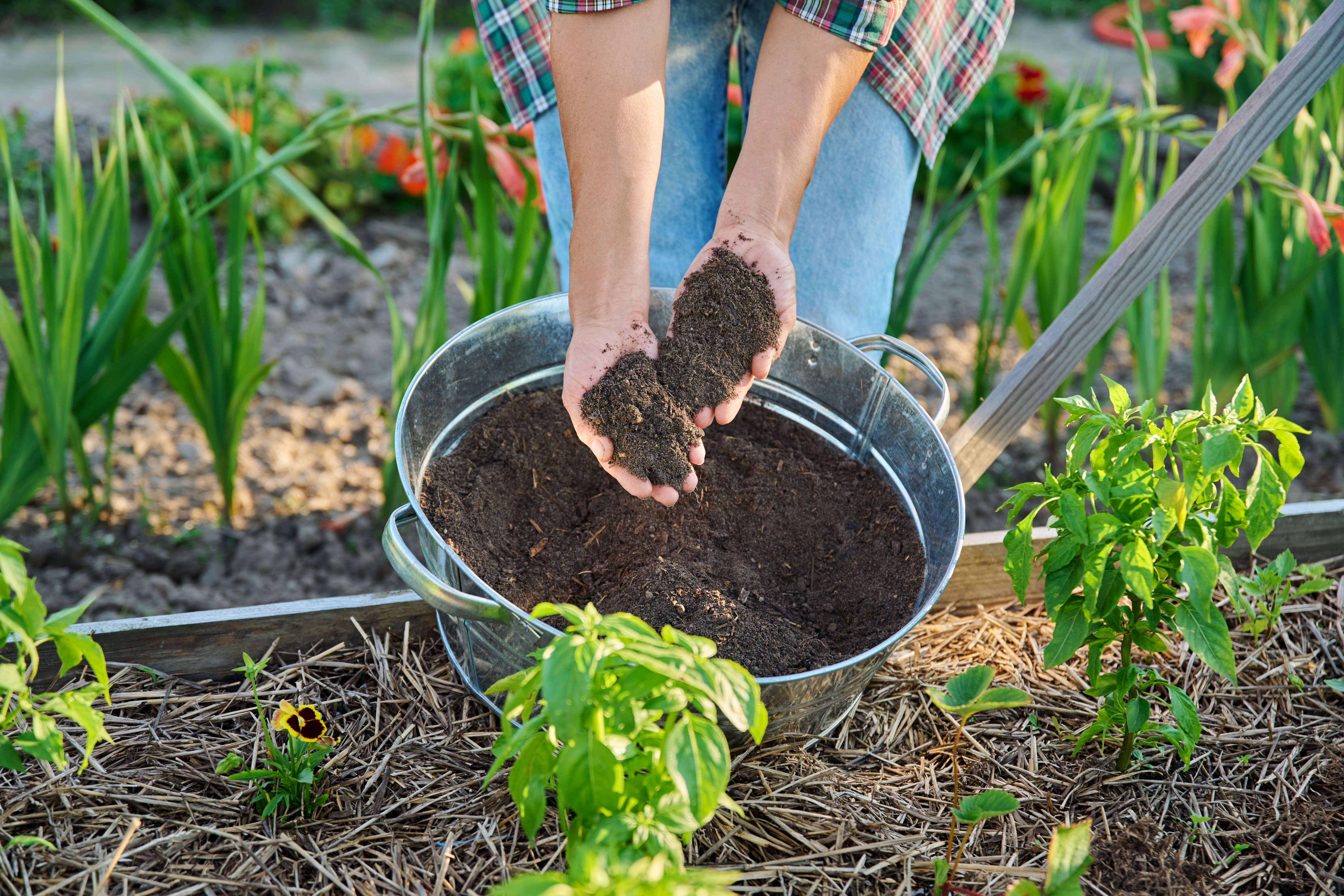
Composting and mulching are excellent ways to recycle yard waste and enrich your lawn. Composting kitchen scraps and yard debris creates a nutrient-rich amendment that can be spread over your lawn. Mulching grass clippings and leaves returns valuable nutrients to the soil, reducing the need for additional fertilizers.
Eco-Friendly Pest Control
Pests can wreak havoc on a lawn, but chemical pesticides aren't the only solution. Introducing beneficial insects, such as ladybugs and nematodes, can help control pest populations naturally. Alternatively, homemade sprays using ingredients like garlic and neem oil can deter pests without harming beneficial organisms.
Choosing the Right Grass
Selecting the right type of grass for your climate can make a significant difference in lawn maintenance. Native grass species are often more resilient to local conditions, requiring less water and care. This not only saves you time and effort but also supports local biodiversity.
Conclusion
Transitioning to eco-friendly lawn care practices can have a profound positive impact on the environment. By choosing sustainable fertilizers, natural weed and pest control methods, and implementing water conservation techniques, you can maintain a healthy lawn while promoting ecological balance. Embracing these alternatives not only benefits your lawn but also contributes to a healthier planet.