DIY Lawn Care Tips from the Pros at Green Tides LLC
Understanding Your Lawn's Needs
A lush, green lawn is the pride of any homeowner, but achieving it requires understanding your lawn's specific needs. Different grass types require different care approaches, so identifying the type of grass you have is crucial. Warm-season grasses like Bermuda thrive in sunny climates, while cool-season grasses such as Kentucky bluegrass prefer cooler temperatures.
Once you've identified your grass type, tailor your care routine accordingly. For instance, warm-season grasses benefit from fertilization in late spring, while cool-season grasses thrive with fall fertilization. Knowing this helps optimize growth and ensures a healthy lawn year-round.
Mowing Techniques for a Healthy Lawn
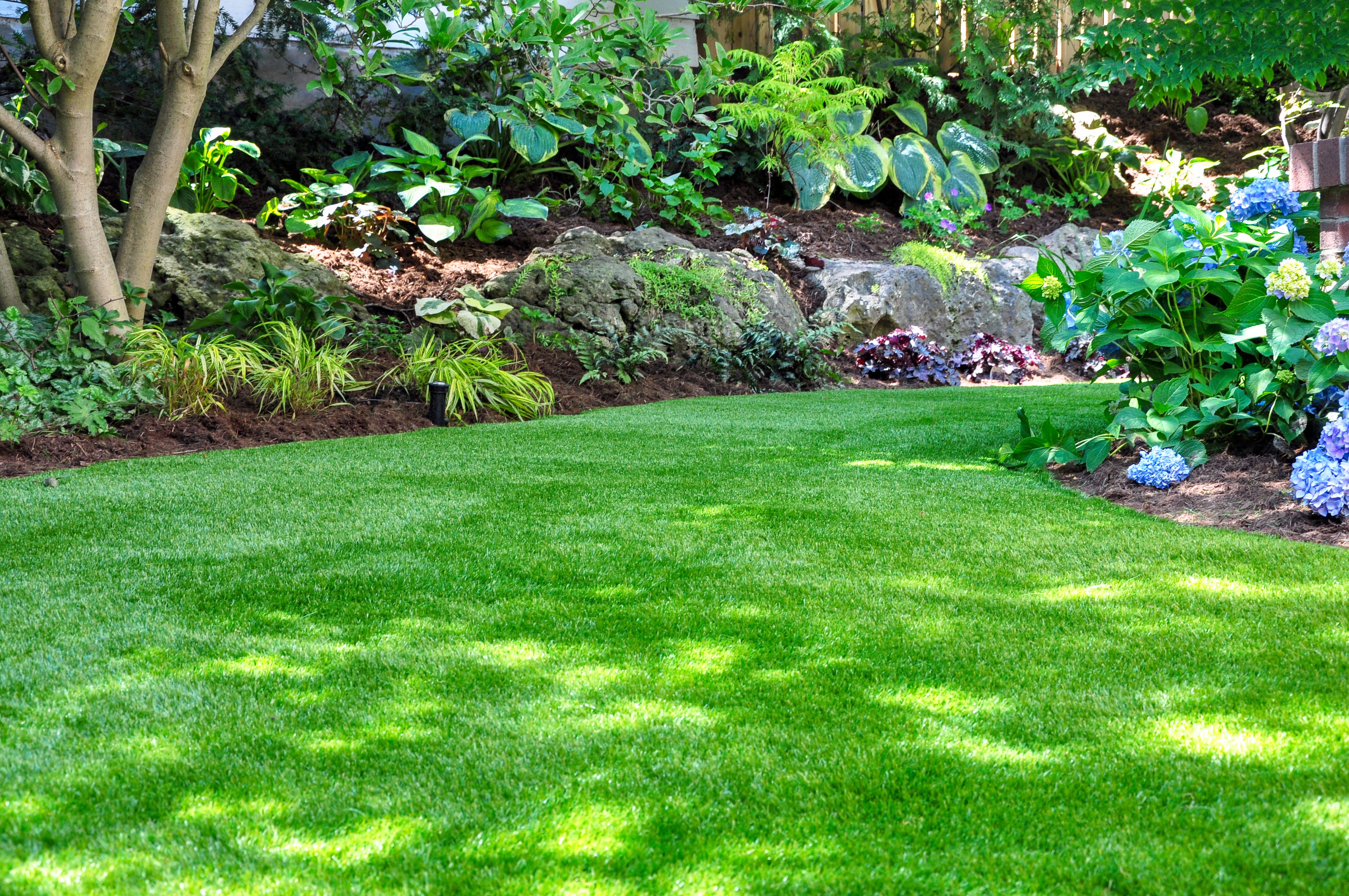
Mowing might seem straightforward, but using the right technique can significantly impact your lawn's health. Keep your mower blades sharp to prevent tearing the grass, which can lead to disease. Additionally, follow the rule of thirds: never cut more than one-third of the grass height at a time. This reduces stress and encourages robust growth.
Consider leaving grass clippings on the lawn after mowing. These clippings act as a natural fertilizer, returning essential nutrients to the soil. This practice, known as grasscycling, is eco-friendly and promotes a healthier lawn.
Watering Wisely
Proper watering is another key to lawn care success. Overwatering can lead to shallow roots and increase disease susceptibility, while underwatering can cause stress and poor growth. Aim to water deeply and infrequently, allowing the soil to dry between sessions. This encourages deep root development and drought resistance.
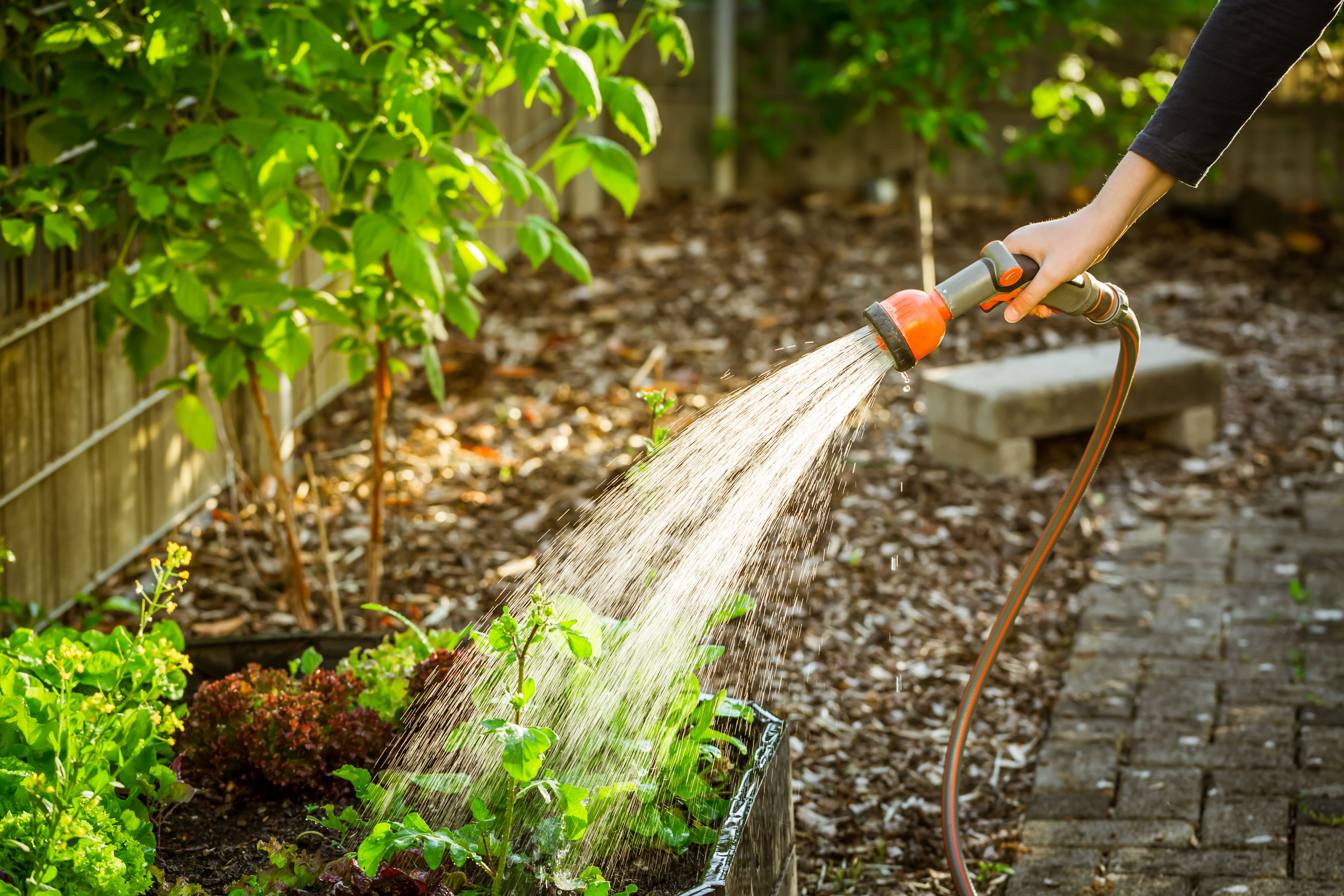
The best time to water is early morning, reducing evaporation and ensuring the grass has a full day to dry. Avoid watering in the evening, as prolonged moisture can lead to fungal diseases.
Weed and Pest Management
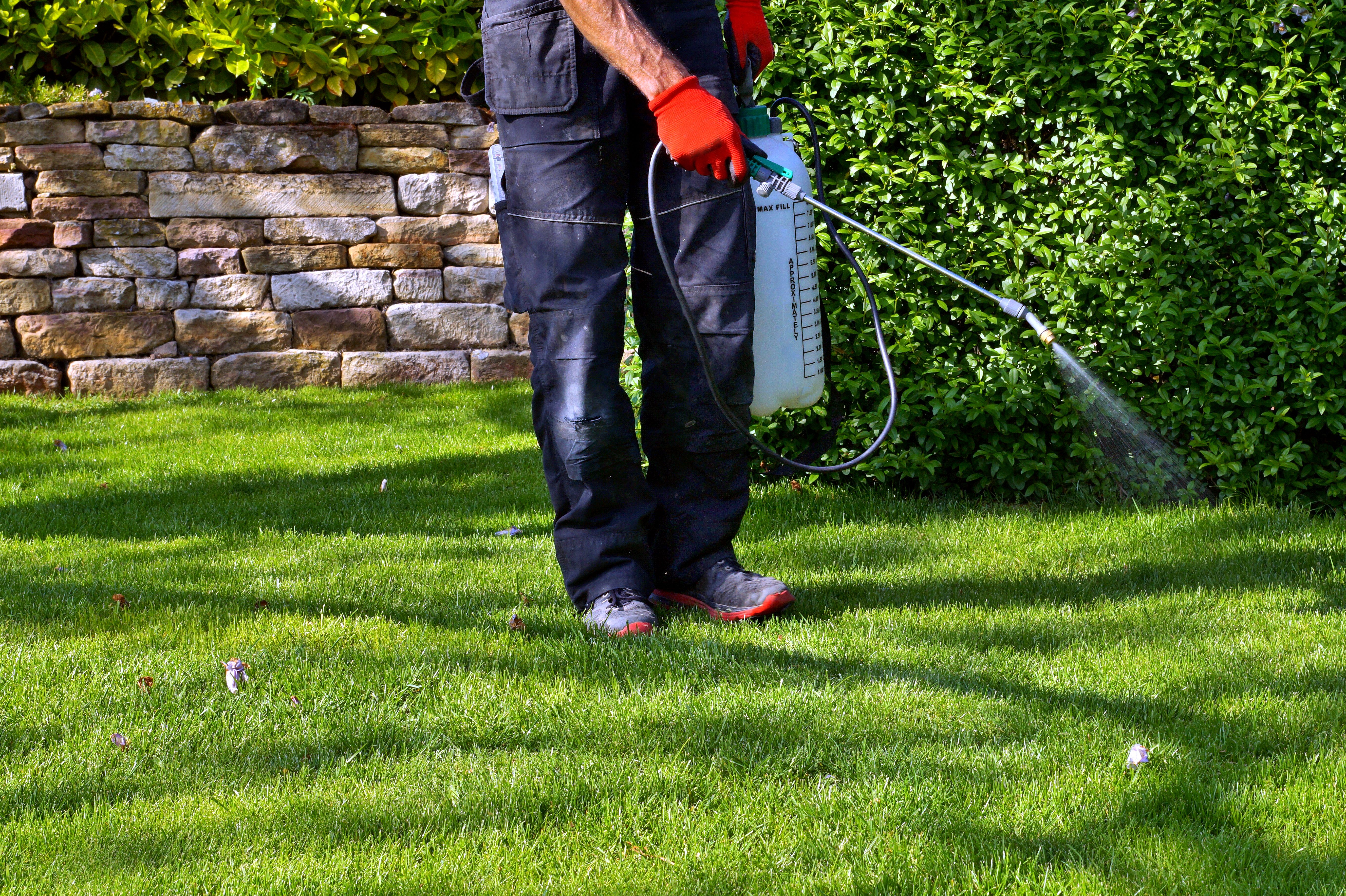
Weeds and pests can quickly turn a beautiful lawn into an eyesore. Implement a regular weed control schedule using pre-emergent herbicides in early spring and post-emergent treatments as needed. Hand-pulling is also effective for small infestations.
For pest control, identify the specific pests affecting your lawn before choosing a treatment. Natural solutions, like introducing beneficial insects, can help manage pest populations without harming the environment.
Fertilization and Soil Health
Fertilization provides essential nutrients that promote healthy growth. Choose a fertilizer that matches your grass type and season. A soil test can offer insights into nutrient deficiencies and help tailor your fertilization plan.
Maintaining soil health is equally important. Aerate your lawn annually to relieve compaction and improve nutrient absorption. Adding organic matter, like compost, can enhance soil structure and fertility.
Conclusion
With these DIY lawn care tips from the pros at Green Tides LLC, you're well on your way to achieving a vibrant and healthy lawn. Remember, consistency is key. Regular maintenance and attention to detail will ensure your lawn remains the envy of the neighborhood.