DIY Lawn Care Tips: Simple Steps for a Lush Green Lawn
A lush green lawn can be the pride of any homeowner, but achieving that perfect look often seems daunting. Fortunately, with some simple DIY lawn care tips, you can transform your outdoor space without breaking the bank.
Understanding Your Lawn
Know Your Grass Type
Identifying the type of grass you have is crucial for proper care. Different grasses have varying needs in terms of sunlight, water, and nutrients. Common types include Bermuda, Fescue, and Kentucky Bluegrass. Research your grass type to tailor your lawn care routine accordingly.
Soil Testing
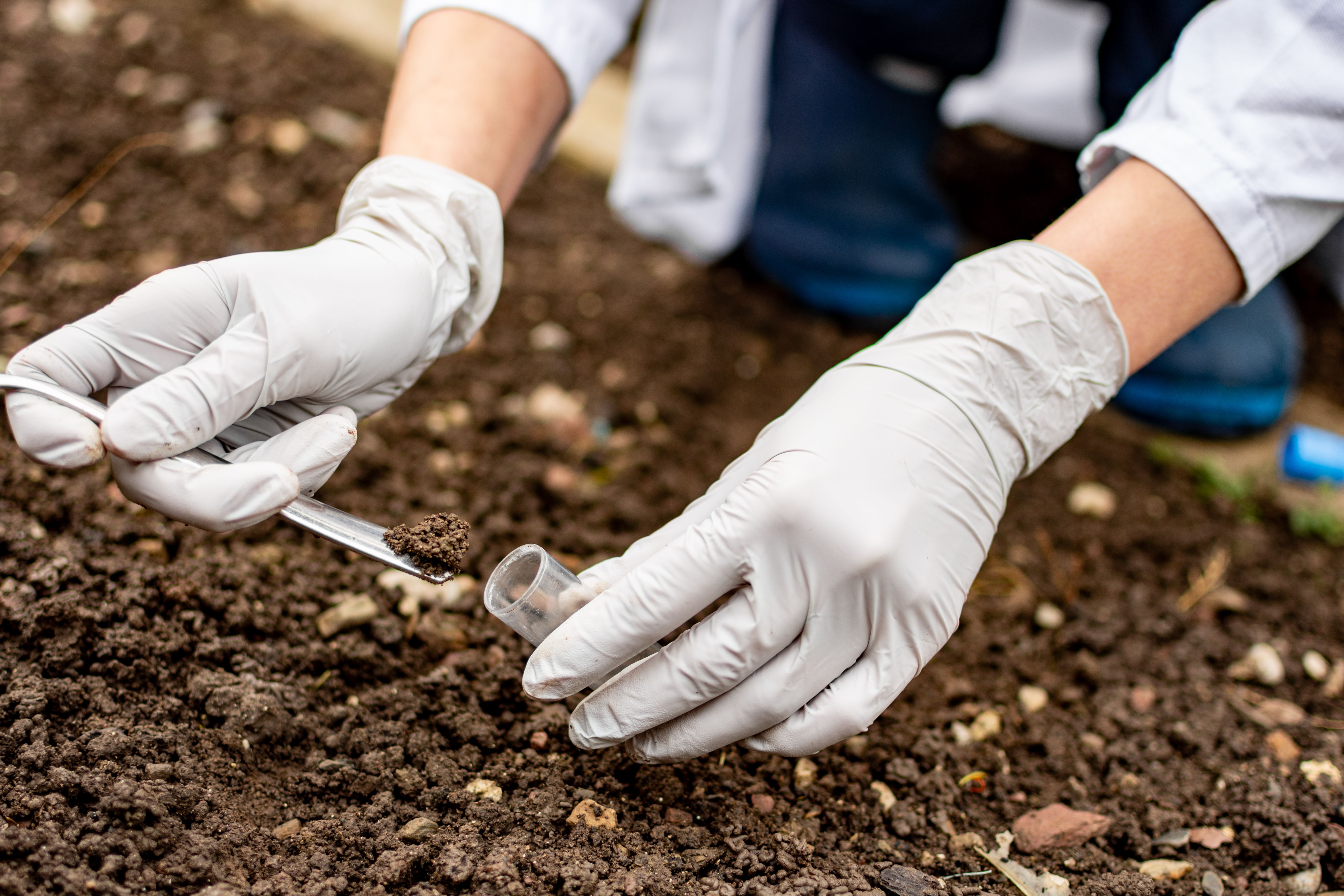
Before diving into lawn care, conduct a soil test. This will reveal the pH and nutrient levels of your soil, helping you choose the right fertilizers and amendments. A balanced soil ensures your grass gets the nutrients it needs to thrive.
Watering Wisely
Optimal Watering Schedule
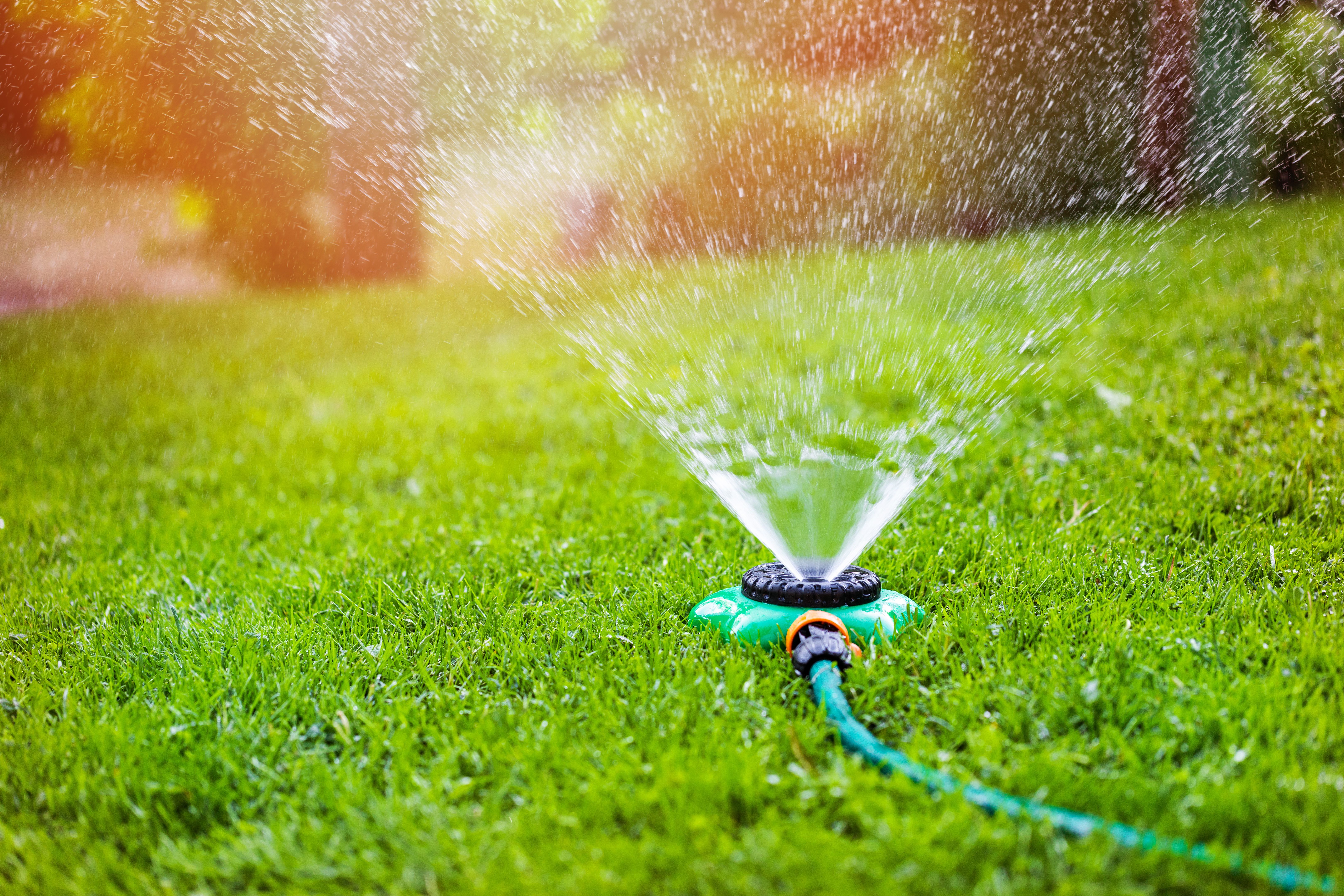
Water your lawn early in the morning to minimize evaporation. Most lawns require about 1 to 1.5 inches of water per week, including rainfall. Overwatering can lead to shallow roots and fungal diseases, so it's important to water deeply but infrequently.
Efficient Irrigation
Consider using a drip irrigation system or soaker hoses to deliver water directly to the roots. This method reduces water waste and promotes healthier growth. Regularly check your irrigation system for leaks or clogs to ensure efficient operation.
Mowing and Maintenance
Proper Mowing Techniques
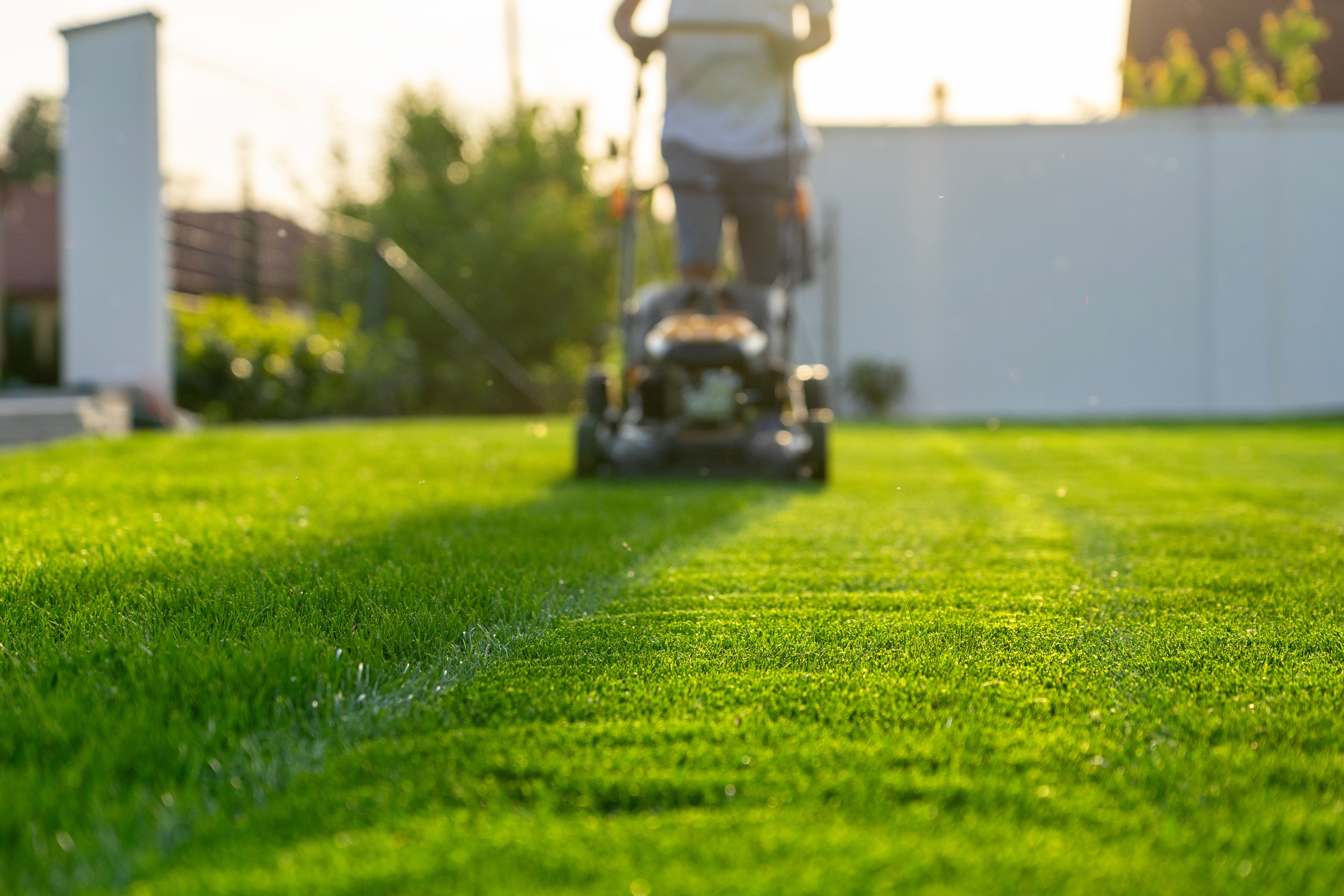
Mow your lawn regularly, but never cut more than one-third of the grass height at a time. This helps maintain healthy roots and prevents stress. Keep your mower blades sharp to ensure a clean cut and reduce the risk of disease.
Seasonal Maintenance
In addition to regular mowing, seasonal tasks like aeration and dethatching are essential. Aeration improves soil compaction, while dethatching removes dead grass build-up. Both processes enhance air circulation and nutrient absorption.
Fertilizing for Growth
Choosing the Right Fertilizer
Select a fertilizer that suits your grass type and soil condition. Slow-release fertilizers are ideal as they provide a steady supply of nutrients over time. Apply fertilizer during the growing season for best results.
Organic Options
If you prefer an eco-friendly approach, consider organic fertilizers. These products are made from natural materials and promote healthy soil biology. They may take longer to show results but are gentler on the environment.
By following these DIY lawn care tips, you can enjoy a beautiful, green lawn with minimal effort. Remember, consistency is key, so stick to your routine and watch your lawn transform into a vibrant outdoor oasis.