DIY Lawn Care Tips: Installing Your Own Irrigation System
Why Install Your Own Irrigation System?
Having a lush, green lawn requires consistent watering, and an irrigation system can provide just that. By installing your own system, you not only save money on professional installation but also gain a better understanding of how to maintain it. A DIY approach allows you to customize the system to fit the unique layout of your lawn, ensuring optimal coverage.
Planning Your Irrigation System
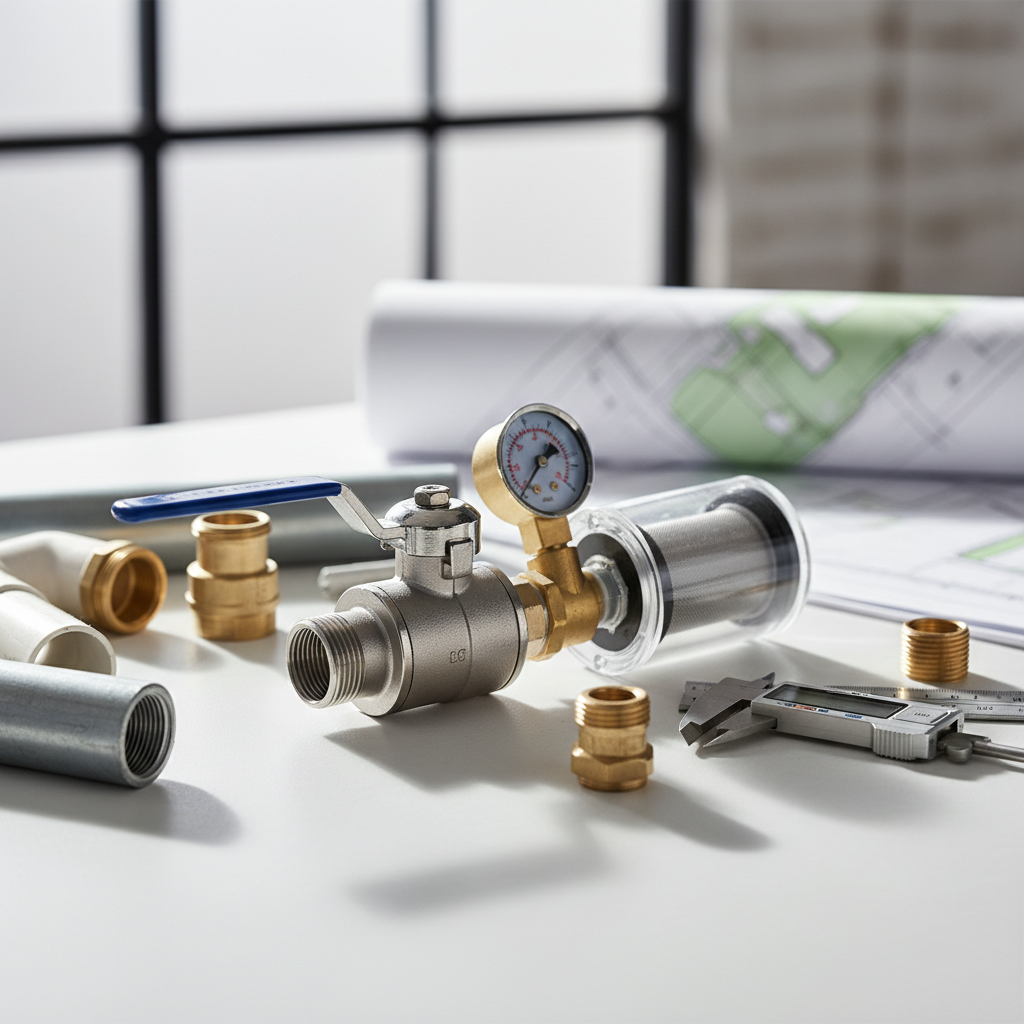
Before starting, it's crucial to plan your irrigation system thoroughly. Begin by sketching a layout of your lawn, marking areas that require more water and those that need less. Consider factors like sunlight exposure, soil type, and plant species. This will help you determine the number and placement of sprinkler heads.
Next, calculate the water pressure and flow rate of your outdoor faucet. This information is vital to ensure your system can deliver the necessary water volume. Most irrigation systems require a pressure of 30-50 PSI and a flow rate of 6-12 gallons per minute.
Choosing the Right Components
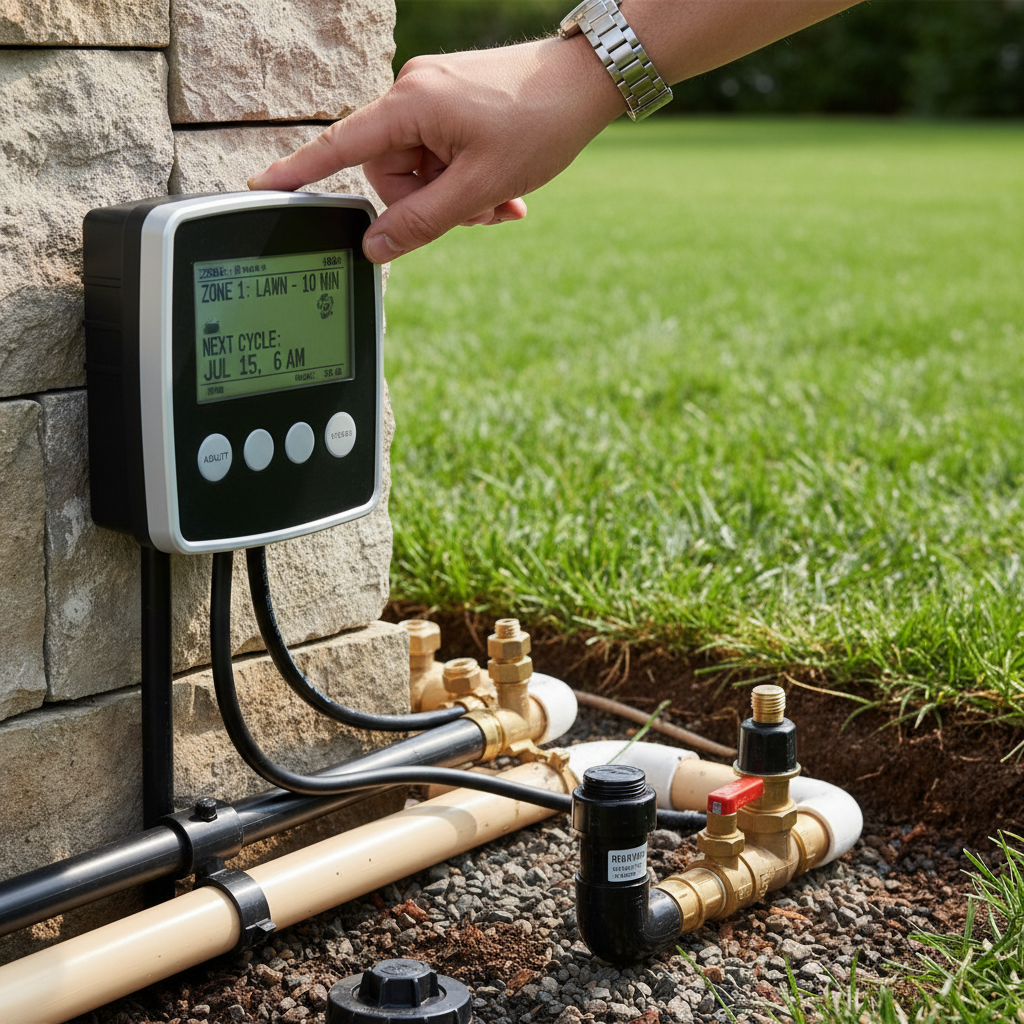
Selecting the right components is key to a successful installation. You'll need pipes, sprinkler heads, valves, and a timer. Opt for durable materials like PVC or polyethylene pipes for longevity. Choose adjustable sprinkler heads to allow for flexibility in water distribution.
Installation Steps
Once you have your components, it's time to start the installation. Here’s a basic step-by-step guide:
- Mark the locations of your sprinkler heads on the lawn using flags.
- Dig trenches for the pipes, ensuring they are deep enough to avoid damage from lawnmowers.
- Lay the pipes and connect them to the sprinkler heads, following your layout plan.
- Connect the system to your water source and install the valves.
- Set up the timer to automate watering schedules.
Testing and Adjustments
With everything in place, it's time to test your system. Turn on the water and check for leaks or areas with insufficient coverage. Adjust the sprinkler heads as needed to ensure even distribution across your lawn. Don’t forget to program the timer according to the needs of your plants and seasonal conditions.
Maintenance Tips
Regular maintenance will keep your irrigation system running efficiently. Check for leaks and clogs periodically, especially after the winter months. Clean the sprinkler heads to prevent blockages, and adjust the watering schedule as seasons change. Consider investing in a rain sensor to prevent overwatering during rainy periods.
By following these DIY tips, you can enjoy a healthy, vibrant lawn with an irrigation system tailored to your specific needs. Not only will you save money, but you'll also take pride in having completed the project yourself.