DIY Irrigation System Installation: A Step-by-Step Guide
Installing a DIY irrigation system can be a rewarding project, providing your garden with consistent watering while saving time and resources. With a few tools and materials, you can set up a system tailored to your garden's needs. This guide will walk you through the process step-by-step.
Planning Your Irrigation System
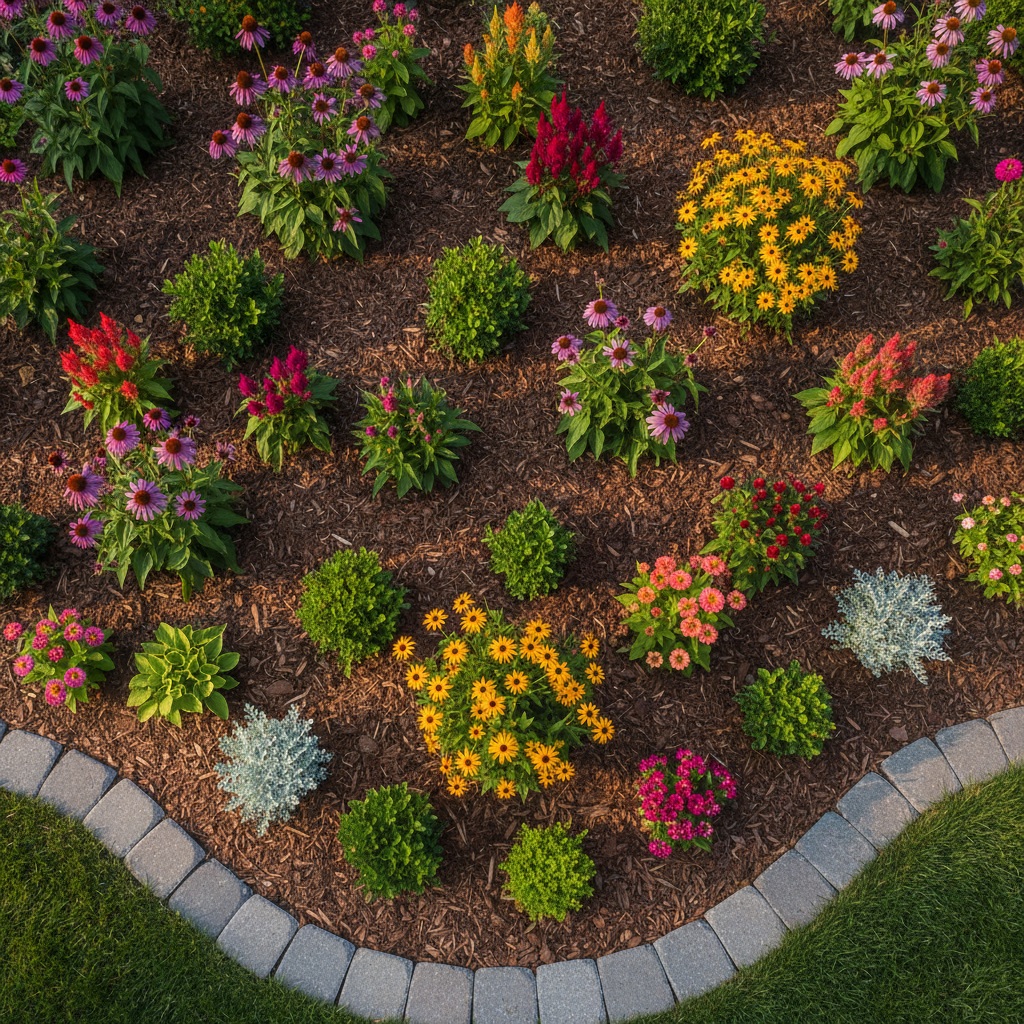
Before you begin installation, it's crucial to plan your system carefully. Start by assessing your garden's layout and identifying areas that require irrigation. Consider the types of plants you have and their water requirements.
Next, sketch a layout of your garden. Mark the locations of your plants, paths, and structures. This plan will help you determine the length of piping you'll need and where to place emitters or sprinklers. Proper planning can prevent unnecessary adjustments later.
Selecting the Right Components
Choosing the right components for your irrigation system is essential. You'll need tubing, connectors, emitters, or sprinklers, and a timer. Consider using drip irrigation for precise watering, which is ideal for garden beds and vegetable patches.
For larger lawns, rotary or spray sprinklers are more suitable. Ensure that all components are compatible and suitable for your water pressure to avoid any issues during operation.
Installing the Irrigation System
Once you have all the necessary components, it's time to start the installation. Follow these steps:
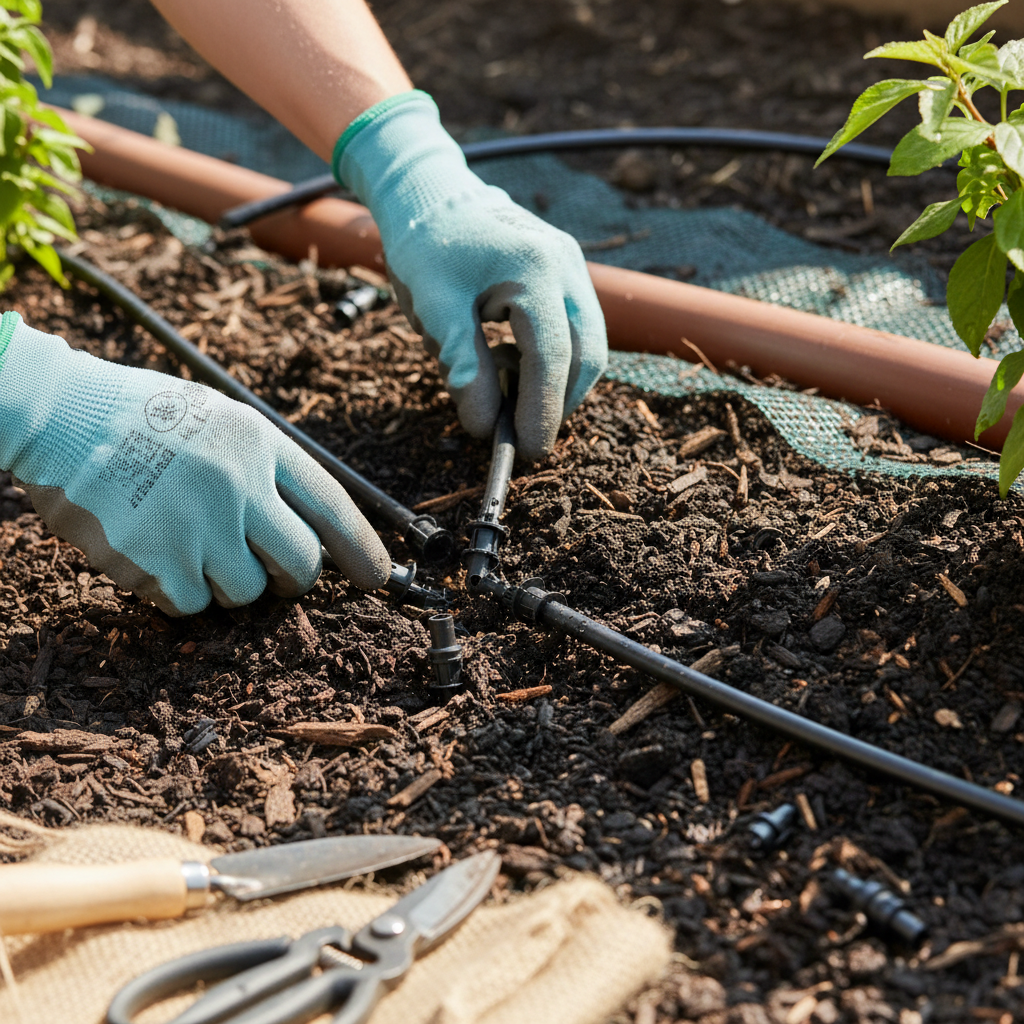
- Lay out the main tubing along the paths you’ve marked on your plan.
- Use connectors to branch off to different areas of your garden.
- Install emitters or sprinklers at strategic points to cover all plants.
- Attach a timer to automate your watering schedule.
Testing and Adjusting the System
After installation, test your irrigation system to ensure it's working correctly. Turn on the water supply and observe the coverage. Make sure there are no leaks or blockages.
If areas are not receiving adequate water, adjust the placement of your emitters or sprinklers. You may need to increase or decrease the water pressure or change emitter types based on plant needs.
Maintaining Your Irrigation System
Regular maintenance is key to a long-lasting irrigation system. Check for clogs, leaks, and signs of wear. Clean emitters and filters periodically to maintain optimal performance.
In colder climates, consider winterizing your system by draining the water to prevent freezing damage. This simple step can extend the life of your system significantly.
Benefits of a DIY Irrigation System
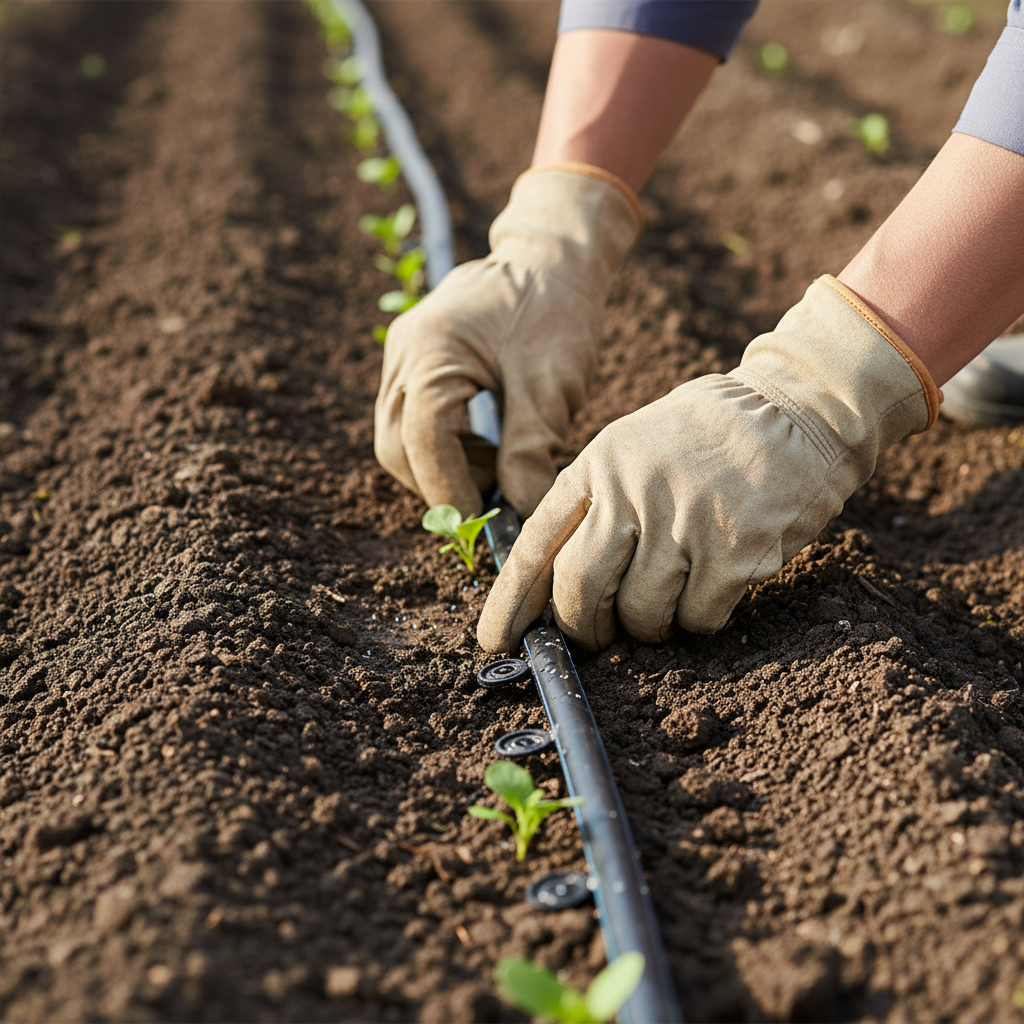
Installing your own irrigation system offers several benefits. It saves time, reduces water wastage, and ensures your plants receive consistent moisture. A well-designed system can promote healthier plant growth and a more vibrant garden.
Moreover, a DIY approach allows you to customize the system according to your garden's unique needs, making it a cost-effective solution compared to professional installations.