Debunking Myths About Sustainable Lawn Care
Understanding Sustainable Lawn Care
Sustainable lawn care is often surrounded by misinformation that can deter homeowners from adopting eco-friendly practices. By debunking these myths, we aim to provide clarity and encourage environmentally responsible lawn care.
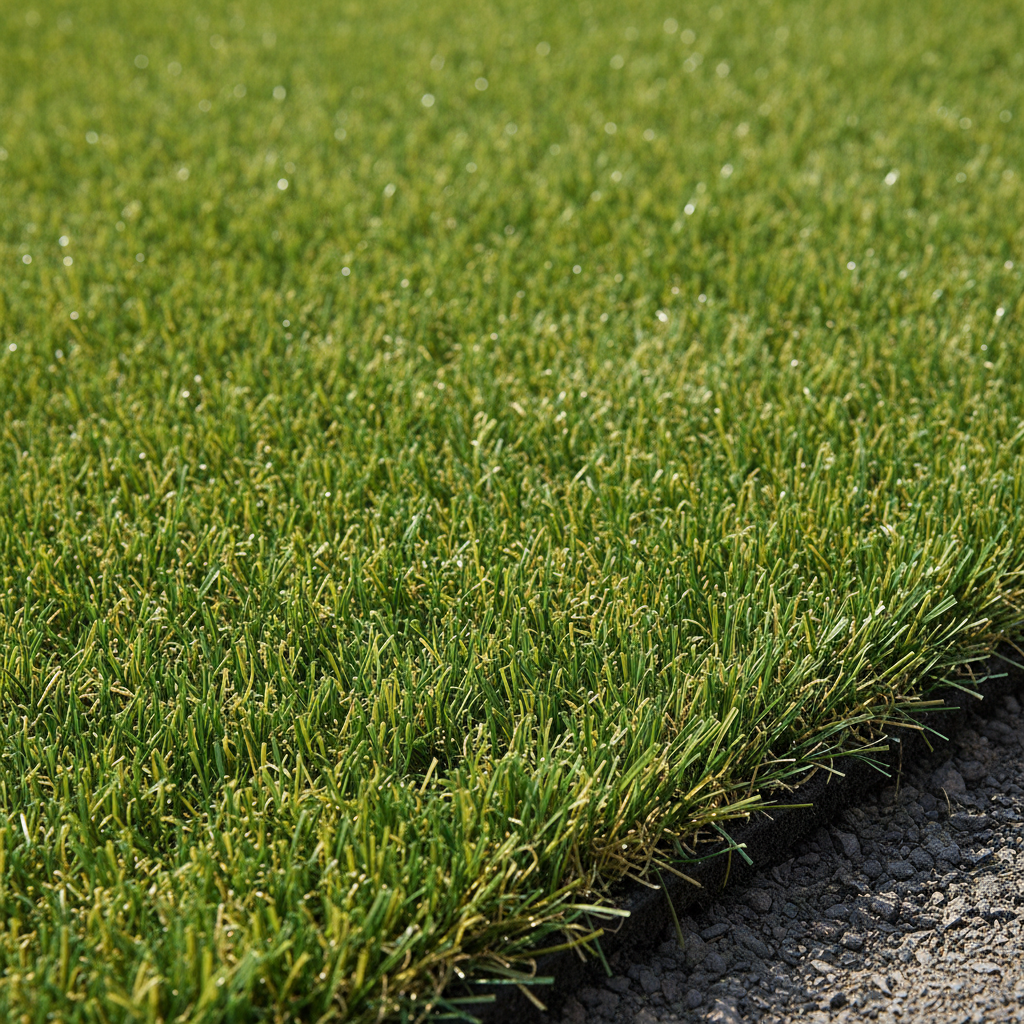
Myth 1: Sustainable Lawn Care Is Expensive
One common misconception is that sustainable lawn care requires significant financial investment. In reality, sustainable practices can lead to cost savings. For instance, reducing the use of chemical fertilizers can lower expenses over time. Additionally, opting for local plants that require less water can further decrease costs.
Moreover, investing in sustainable lawn care can increase property value and reduce long-term maintenance costs, making it a financially wise choice.
Myth 2: It Requires More Effort
Many believe that eco-friendly lawn care demands more time and effort. However, sustainable practices can streamline lawn maintenance. For example, using native plants reduces the need for frequent watering and fertilizing, as these plants are adapted to local conditions.

Furthermore, sustainable techniques like mulching help retain soil moisture and suppress weeds, reducing the need for constant upkeep.
Myth 3: Chemical-Free Lawns Are Weedy and Unattractive
There is a notion that without chemicals, lawns will become overrun with weeds and look unkempt. In fact, a healthy, chemical-free lawn can be both lush and beautiful. Using natural weed control methods such as corn gluten meal or manually removing weeds can effectively manage unwanted growth.
Promoting a diverse lawn ecosystem also encourages beneficial insects that help control pests naturally, contributing to a vibrant and healthy appearance.
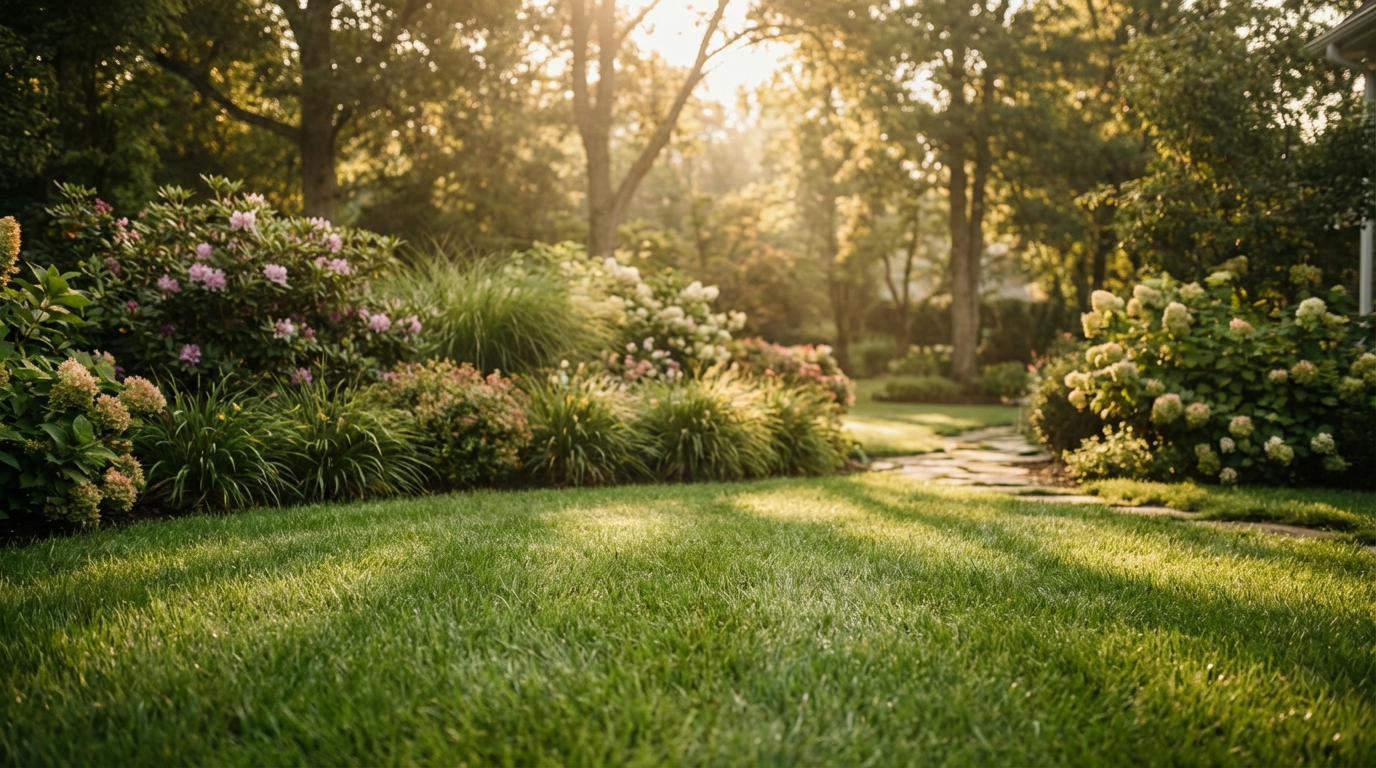
Myth 4: Organic Practices Are Ineffective
Some people doubt the effectiveness of organic lawn care methods compared to traditional chemical-based solutions. However, organic practices focus on building soil health, which enhances the lawn's resilience against pests and diseases.
By nurturing the soil with organic compost and natural fertilizers, lawns can thrive without the need for harmful chemicals. This approach creates a sustainable, self-sufficient environment over time.
Conclusion: Embrace Sustainable Practices
Debunking these myths highlights the numerous benefits of sustainable lawn care. By choosing eco-friendly methods, homeowners can enjoy a beautiful lawn that supports the environment and reduces long-term costs.
Embracing sustainable lawn care not only contributes to a healthier planet but also fosters a sense of personal responsibility and satisfaction. Consider making the switch today for a greener tomorrow.