A Guide to Sustainable Lawn Care Practices for Eco-Friendly Homeowners
Understanding Sustainable Lawn Care
For eco-friendly homeowners, maintaining a lush lawn while being kind to the environment can seem challenging. However, adopting sustainable lawn care practices not only reduces your carbon footprint but also enhances the health of your lawn. By using eco-friendly techniques, you can create a vibrant outdoor space that's both beautiful and sustainable.
Choosing Native Plants
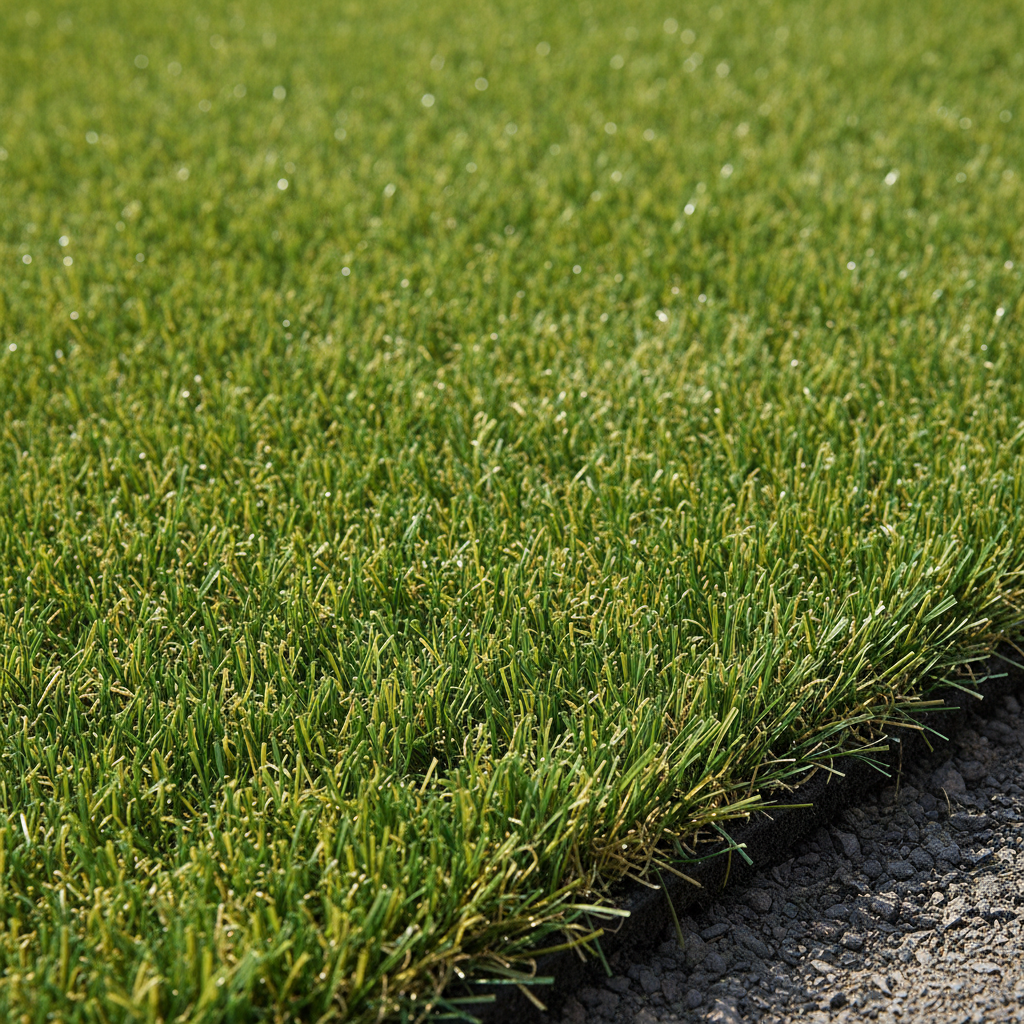
One of the most effective ways to create a sustainable lawn is by choosing native plants. These plants are adapted to the local climate and soil, requiring less water and fewer chemical interventions. Native plants also support local wildlife, providing habitats for pollinators like bees and butterflies. Consider consulting with a local nursery to find out which plants are best suited for your area.
Water Conservation Techniques
Water conservation is crucial in sustainable lawn care. Overwatering not only wastes a precious resource but can also harm your lawn. Implementing a rainwater collection system and using drip irrigation can significantly reduce water usage. Additionally, watering your lawn early in the morning or late in the evening minimizes evaporation and ensures that your grass receives the hydration it needs.

Natural Fertilizers and Soil Health
Healthy soil is the foundation of a thriving lawn. Instead of synthetic fertilizers, opt for natural alternatives like compost or organic matter. These enrich the soil without the harmful side effects of chemicals. Regularly aerating your lawn can also improve soil health by allowing nutrients to penetrate deeper, promoting robust root growth.
Pest Control Without Chemicals
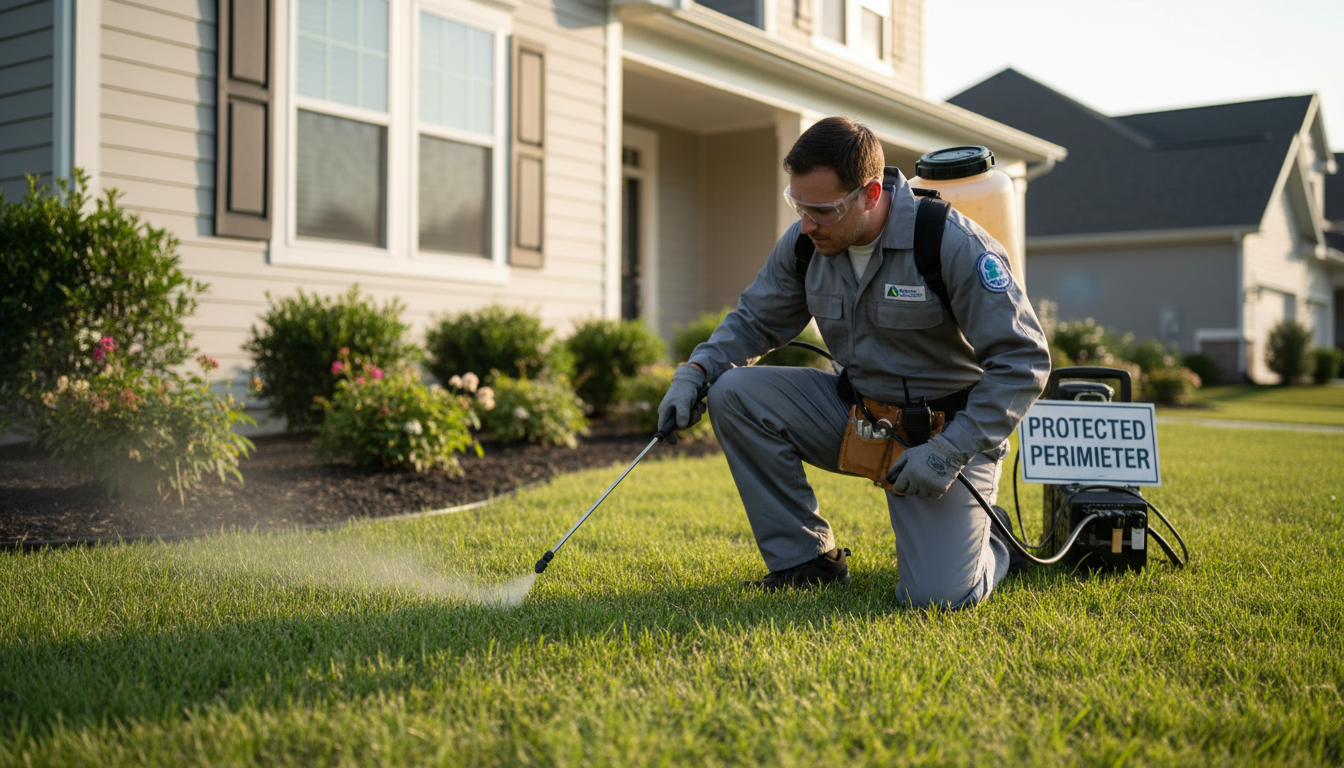
Managing pests without resorting to harsh chemicals is another vital aspect of sustainable lawn care. Encourage beneficial insects such as ladybugs and praying mantises that naturally keep pest populations in check. Companion planting is another effective strategy, where certain plants are grown together to deter pests.
Mowing Practices for Sustainability
How you mow your lawn can significantly impact its health and sustainability. Setting your mower blades to a higher setting allows grass to grow longer, which shades the soil, retains moisture, and reduces weed growth. Additionally, leaving grass clippings on the lawn can act as a natural fertilizer, returning essential nutrients back to the soil.
Reducing Lawn Size
Consider reducing the size of your lawn to make it more sustainable. Incorporate garden beds, shrubs, or hardscaping elements like pathways and patios. This not only reduces the area that needs maintenance but also creates diverse habitats that support a range of wildlife.

Conclusion
Adopting sustainable lawn care practices is an excellent way to contribute to a healthier environment while maintaining a beautiful outdoor space. By integrating these strategies, you can enjoy a thriving lawn that benefits both your family and the planet. Remember, every small step counts in making a significant environmental impact.